Dehumidifiers vs. Mold: Do They Really Work?
Mold is more than just an eyesore—it can silently threaten your health, your home, and your peace of mind. If you’ve ever dealt with that musty smell or spotted those dark, fuzzy patches on your walls or ceiling, you know how persistent mold can be. One of the most common questions homeowners ask is, “Can a dehumidifier really stop mold?” Let's break it down.
What Mold Needs to Thrive
Mold spores are always around—indoors and out. But for mold to grow and spread inside your home, it needs three main ingredients:
- Moisture: High humidity or water leaks
- Warmth: Mold loves cozy, indoor temps
- Organic materials: Like wood, drywall, fabric, and dust
If you remove one of those factors—especially moisture—you can stop mold from growing in the first place. That’s where dehumidifiers come in.
How Dehumidifiers Help Fight Mold
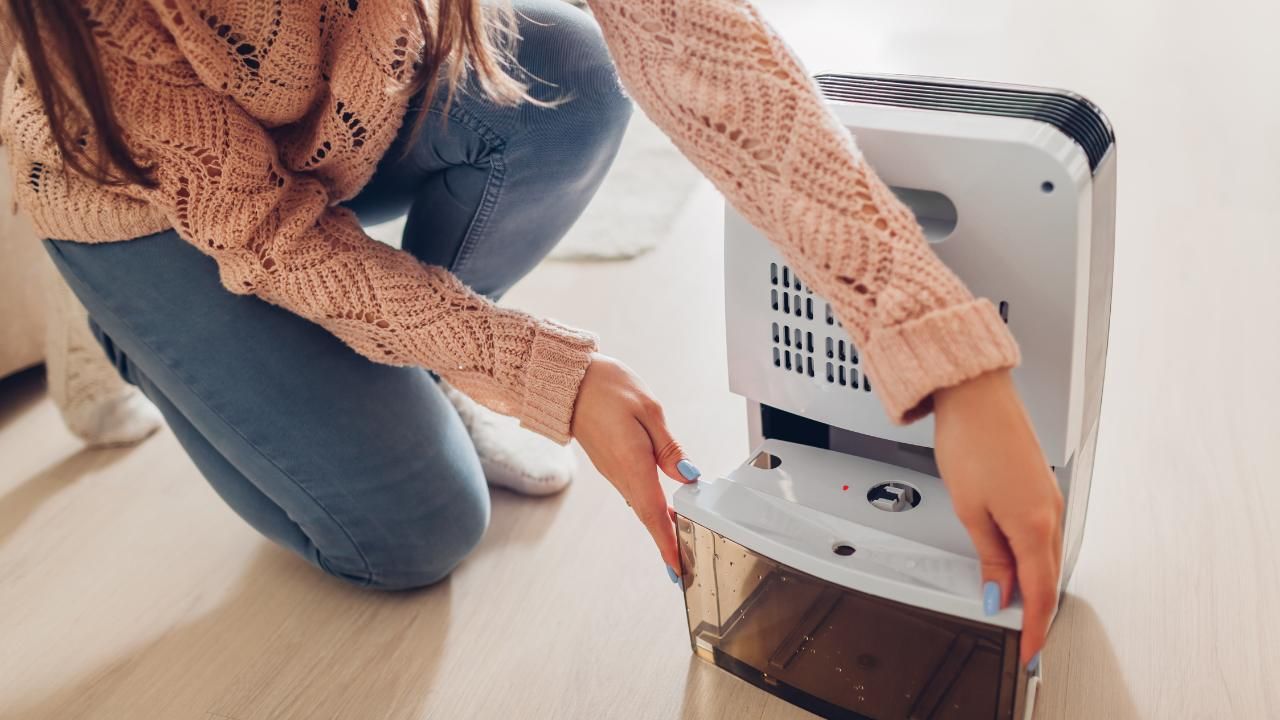
Dehumidifiers work by pulling excess moisture out of the air, lowering the humidity level in your home. Ideally, indoor humidity should stay between 30% and 50%. Mold tends to thrive when humidity hits 60% or higher.
Here’s how a dehumidifier makes a difference:
- Prevention: By maintaining optimal humidity levels, dehumidifiers make it hard for mold to grow at all.
- Control: If you’ve already had mold issues in the past, running a dehumidifier helps prevent recurrence—especially in damp areas like basements or bathrooms.
- Comfort: Less moisture in the air also means fewer allergens, less musty odor, and better indoor air quality overall.
But—and this is important—dehumidifiers can’t kill mold that’s already there.
When a Dehumidifier Isn’t Enough
If you’ve already discovered visible mold patches on your walls, ceilings, or floors, a dehumidifier alone won’t solve the problem. It can help prevent it from spreading, but it won’t remove what’s already taken root.
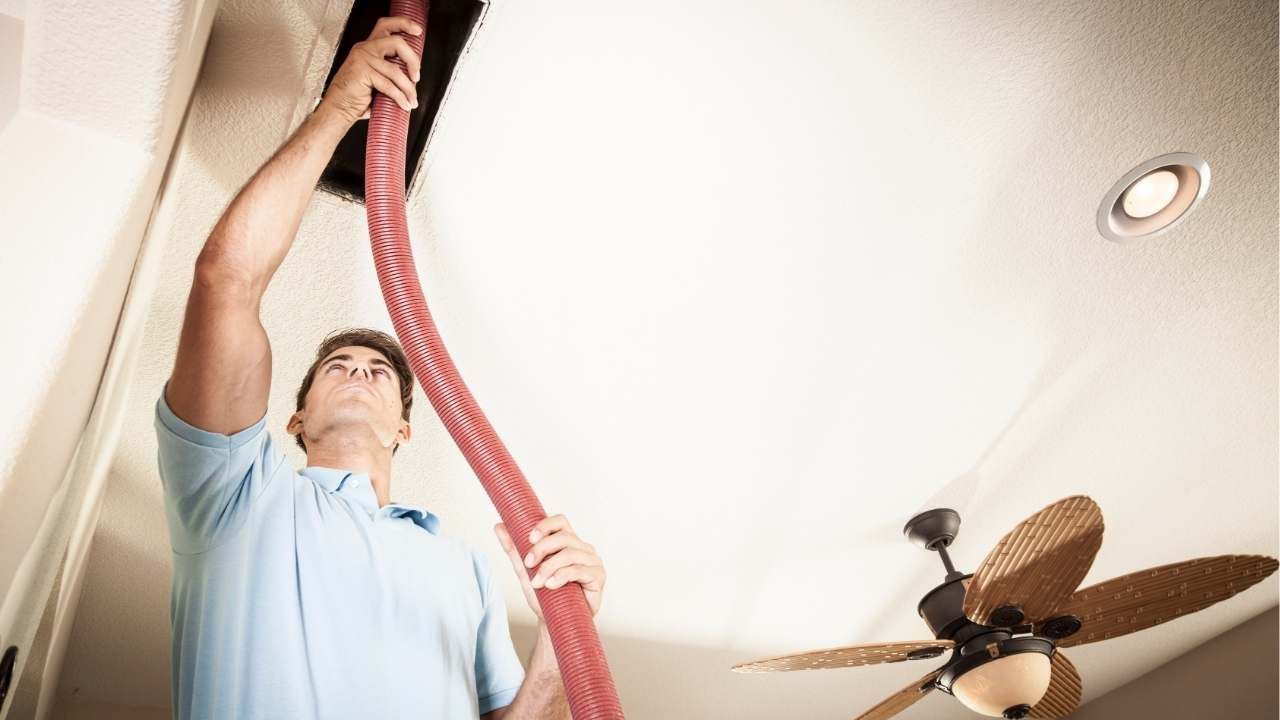
Mold can grow beneath the surface—in insulation, behind wallpaper, or inside HVAC ducts—making it hard to remove without professional help. That’s when it’s time to call in experts like Eco Kauai Services, a trusted name for mold remediation in Kaua’i, Hi.
Case Study: A Humid Vacation Home in Kapa’a
A family from O‘ahu purchased a small vacation home in Kapa’a. Within a few months of not being there, they returned to find a musty smell and black mold growing behind furniture and along window frames.
They installed two large-capacity dehumidifiers in the living area and bedrooms. While that helped reduce further mold growth, the visible colonies remained. They reached out to Eco Kauai Services for professional mold removal services. After a full assessment and thorough cleanup—including hidden mold in the drywall—the home was restored. The dehumidifiers are now part of their long-term prevention strategy.
Best Practices for Using Dehumidifiers
To get the most out of your dehumidifier:
- Monitor humidity levels: Use a hygrometer to check that you’re staying in the 30–50% range.
- Place them strategically: Focus on high-risk areas like bathrooms, kitchens, asements, and laundry rooms.
- Keep them clean: Empty the water tank regularly and clean filters to maintain efficiency.
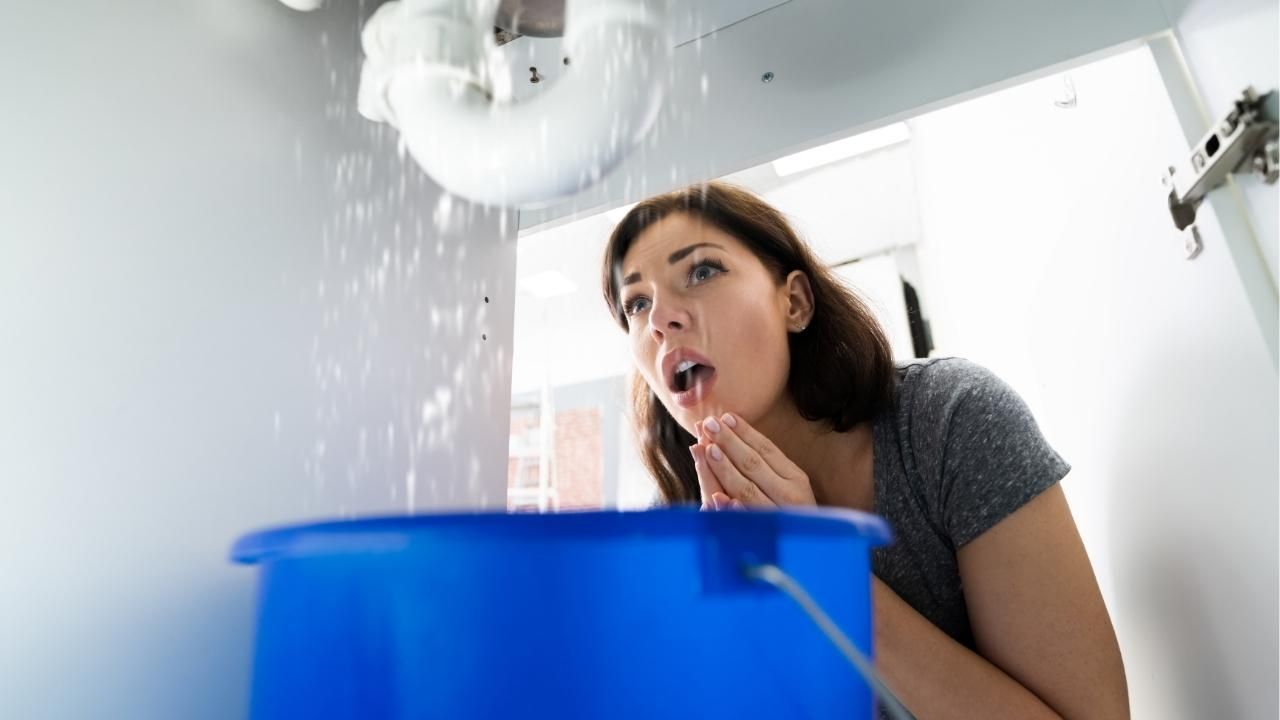
- Fix leaks first: Don’t rely on dehumidifiers to battle active leaks or flooding.
Final Thoughts
So, do dehumidifiers really work against mold? The answer is yes—but with limits. They’re excellent for prevention and moisture control, but once mold has made itself at home, you’ll need the best mold remediation company to remove it safely and thoroughly.
If you’re dealing with stubborn mold in Kaua’i, the smart move is to pair moisture control with expert remediation. Eco Kauai Services offers the kind of specialized mold removal services that ensure your home stays clean, safe, and mold-free.
Concerned about mold in your home? Start by controlling humidity, but don’t stop there. Reach out to our team for a professional assessment and peace of mind.