Why Mold Forms Around Windows and Window Sills
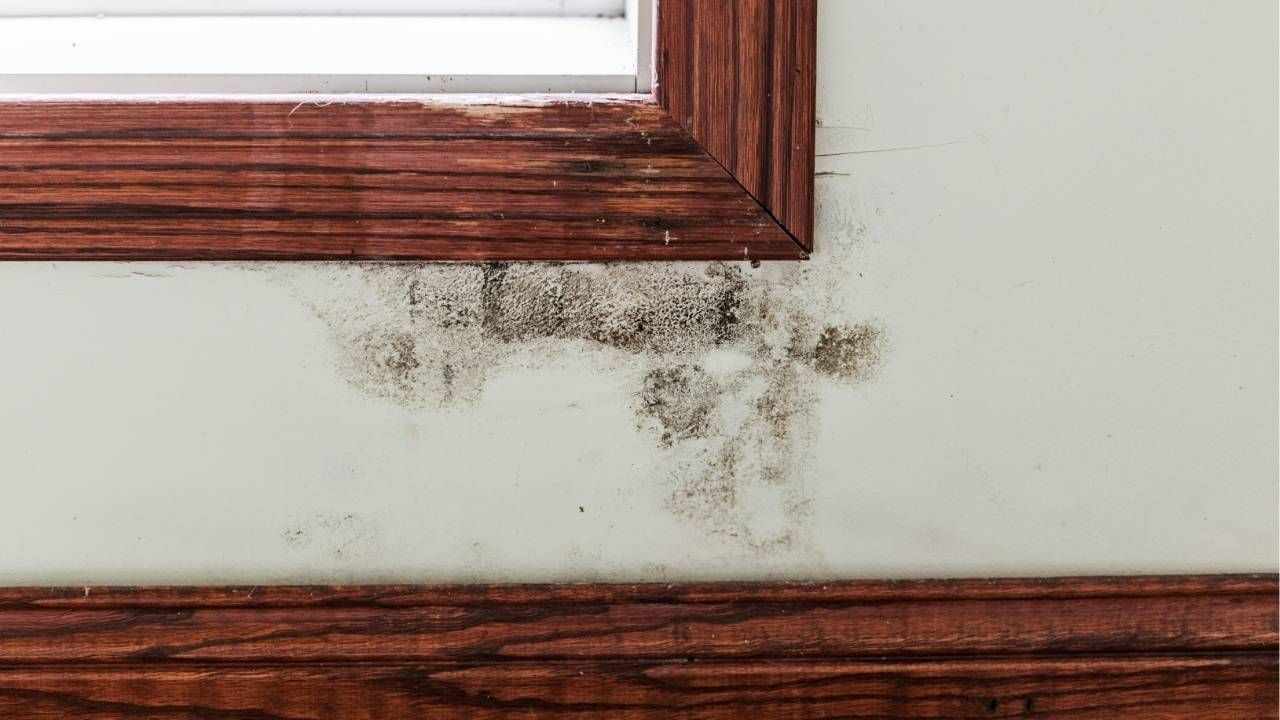
Mold around windows often starts as a few dark spots, but it can quickly become a larger moisture problem. Since window frames and sills collect condensation, dust, and hidden leaks, they create ideal conditions for mold growth.
Homeowners searching for Kaua’i, Hi water damage repair may first notice the problem as peeling paint, musty odors, or damp drywall near a window. In some cases, professional mold remediation in Kaua’i, Hi is needed because the visible mold is only a small part of the affected area. Fast water extraction and drying can also prevent moisture from spreading into nearby walls, flooring, and insulation.
This guide explains why mold develops around windows, how to spot the source, and what you can do before the damage gets worse.
Condensation Creates the Perfect Mold Environment
Condensation is one of the most common reasons mold appears on window glass, frames, and sills. It forms when warm, humid indoor air touches a cooler window surface.
Over time, that moisture settles along the edges of the glass and pools on the sill. If it is not wiped away or allowed to dry, mold spores can begin growing on dust, wood, paint, caulk, or drywall.
Condensation is more likely when:
- Indoor humidity stays too high
- Airflow around the window is limited
- Curtains or blinds remain closed for long periods
- Air conditioning systems are not controlling humidity
- Windows have poor insulation or single-pane glass
- Bathrooms, kitchens, or laundry areas lack ventilation
In a humid climate, even a small amount of daily condensation can eventually damage paint, soften wood, and support recurring mold growth.
Window Leaks and Damaged Seals Let Water Inside
Not every moisture problem comes from indoor humidity. Rainwater can enter through worn caulking, cracked seals, damaged flashing, or gaps around the window frame.
A leaking window may not drip visibly. Water can travel behind trim, soak into drywall, or collect inside the wall cavity. By the time stains or mold appear, the surrounding materials may already be damp.
Common signs of a window leak include:
- Bubbling or peeling paint
- Soft or swollen window trim
- Brown or yellow stains
- Cracked exterior caulking
- Damp drywall after heavy rain
- A musty smell near the window
- Mold that returns after cleaning
Replacing surface caulk may help in minor cases, but it will not solve problems caused by poor flashing, damaged siding, or water trapped inside the wall. The source must be found and repaired before cosmetic work begins.
Why Mold Keeps Coming Back After Cleaning
Many homeowners wipe mold away with a household cleaner and assume the problem is solved. Unfortunately, surface cleaning does not remove moisture behind the material.
If the window sill stays damp, mold can return within days or weeks. Porous materials such as wood, drywall, and insulation can also hold moisture below the surface, where cleaning products cannot reach.
Recurring mold usually means one or more of these issues remain:
- The indoor humidity level is still too high
- The window continues to leak
- Wet drywall or insulation has not dried
- Damaged caulk or seals have not been replaced
- Mold has spread behind trim or inside the wall
- The window frame has begun to rot
The goal is not simply to remove stains. It is to stop the moisture source, dry the affected area, and replace materials that cannot be safely restored.
What Homeowners Should Do When They Find Mold
Small patches caused by temporary condensation may be manageable if the material is solid, the area is limited, and the moisture source is corrected immediately. However, larger or recurring growth should be inspected professionally.
Start by taking these steps:
- Reduce indoor humidity. Use air conditioning, ventilation fans, or a dehumidifier.
- Dry the window daily. Wipe condensation from the glass, frame, and sill.
- Check exterior seals. Look for cracked caulk, open gaps, and damaged trim.
- Inspect nearby materials. Press gently on drywall and wood to check for softness.
- Avoid painting over mold. Paint can hide staining without correcting the cause.
- Call for help when needed. Professional assessment is important when mold returns, odors persist, or water damage extends beyond the sill.
A moisture meter and thermal imaging equipment can help locate hidden damp areas that are not visible during a basic inspection.
Short Case Study: A Small Window Stain With a Bigger Cause
A homeowner noticed black spotting along a bedroom window sill after several days of heavy rain. The area was cleaned twice, but the staining returned and the paint began to bubble. An inspection found a failed exterior seal that allowed water to enter behind the trim. Moisture had spread into the drywall below the window, although the damage was not visible from the room. The leaking section was repaired, affected materials were removed, and the wall cavity was thoroughly dried. Once the moisture source was corrected, the window area remained clean and dry. What appeared to be a minor mold issue was actually an early warning sign of hidden water intrusion.
Preventing Future Mold Around Windows
Prevention comes down to moisture control and routine maintenance. Windows should be checked before and after periods of heavy rain, especially if they are older or exposed to strong wind.
Simple preventive steps include:
- Keep indoor humidity between comfortable, controlled levels
- Run exhaust fans during cooking and bathing
- Open blinds periodically to improve airflow
- Wipe away condensation promptly
- Replace damaged caulk and weatherstripping
- Clean window tracks and drainage holes
- Repair roof, siding, or flashing problems quickly
- Schedule an inspection when stains or odors return
Waiting can make the repair more expensive. Moisture can spread from the window frame into drywall, insulation, flooring, and structural wood.
Protect Your Home Before the Damage Spreads
Mold around a window is rarely just a cleaning issue. It is usually a sign that moisture is collecting where it should not.
If mold, dampness, peeling paint, or musty odors keep returning,
schedule a professional inspection today. Finding and correcting the source early can protect your home, improve indoor air quality, and prevent a small window problem from becoming a major restoration project.