How Dirty Air Ducts Affect Indoor Air Quality
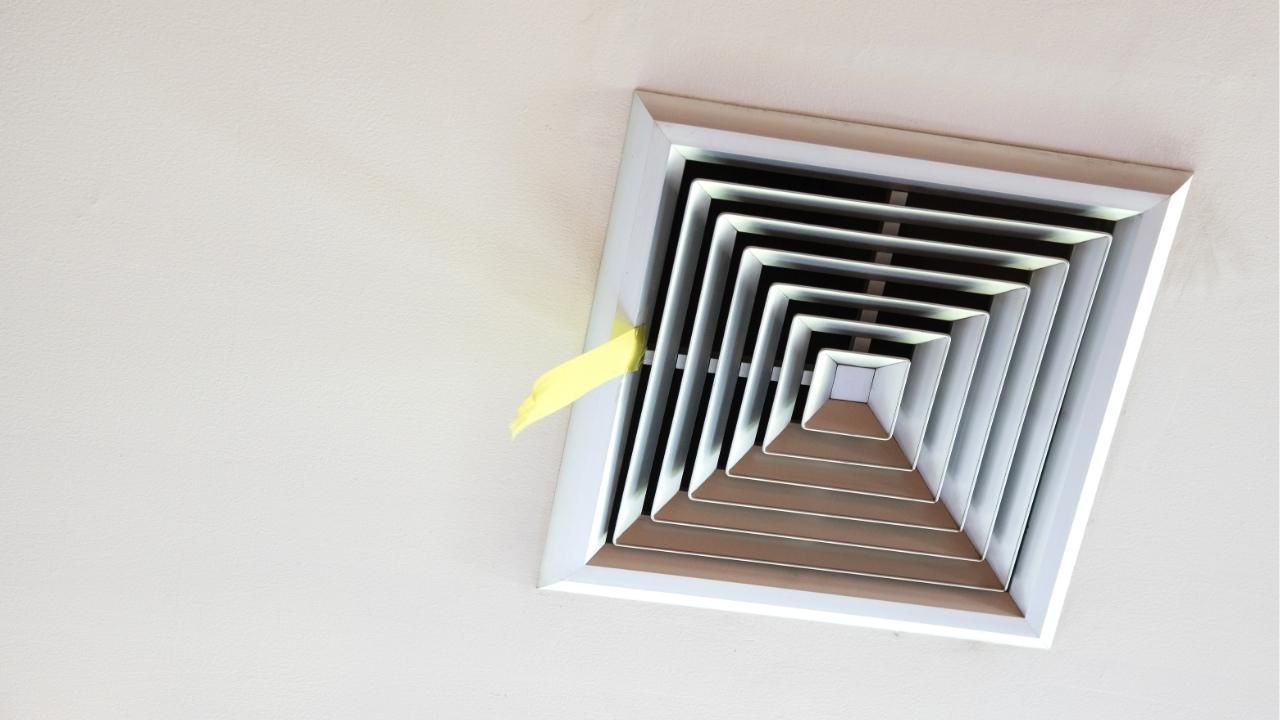
You may clean your floors, wipe down surfaces, and change your air filters regularly, yet the air inside your home can still feel dusty or stale. The hidden problem may be inside the ductwork that carries heated or cooled air from room to room.
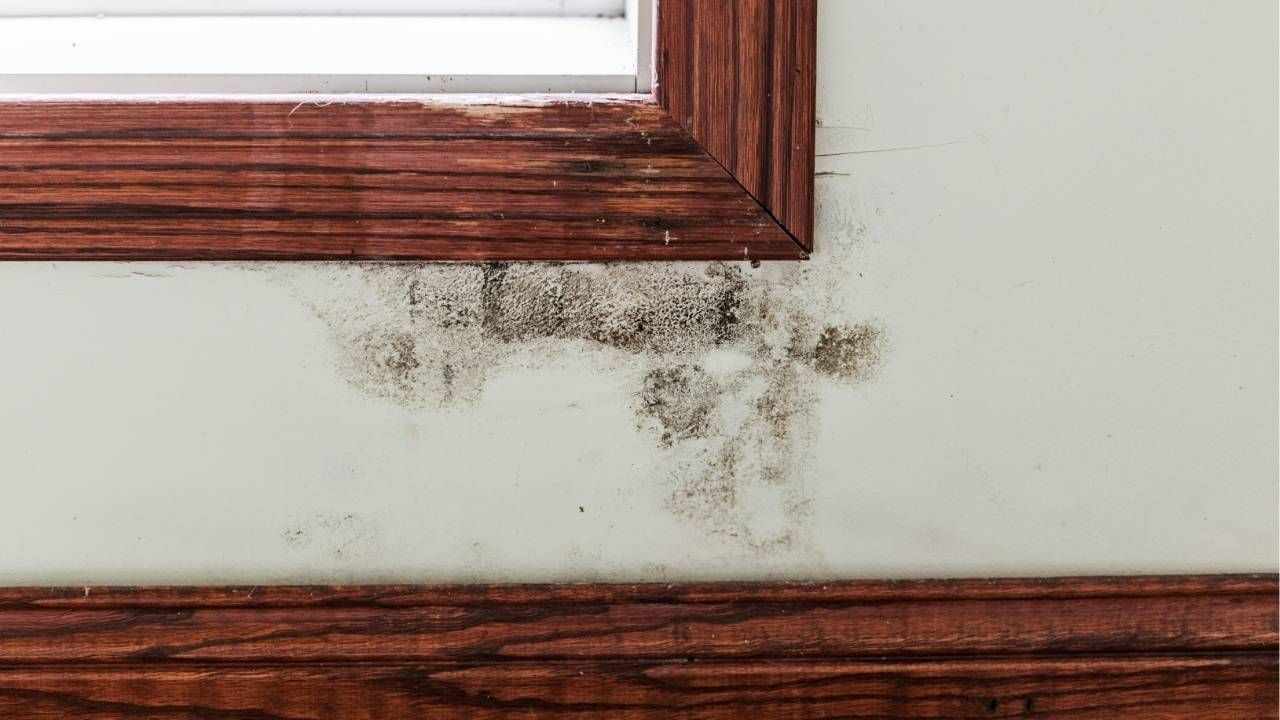
Over time, air ducts can collect dust, pet hair, pollen, moisture, and other airborne debris. Each time your HVAC system runs, some of those particles may circulate through your living spaces. In humid environments, homeowners searching for mold removal in Kaua’i, Hi should also consider whether contaminated ductwork is contributing to the problem.
Professional air duct cleaning can remove built-up debris that ordinary household cleaning cannot reach. It may also help uncover moisture, damaged insulation, or microbial growth inside the HVAC system. When contamination is suspected, professionals who handle mold issues can determine whether cleaning, remediation, moisture control, or a combination of services is needed.
Understanding how dirty ducts affect your home can help you protect your air quality, reduce unnecessary dust, and address hidden problems before they spread.
Dirty Ducts Can Circulate Dust and Allergens
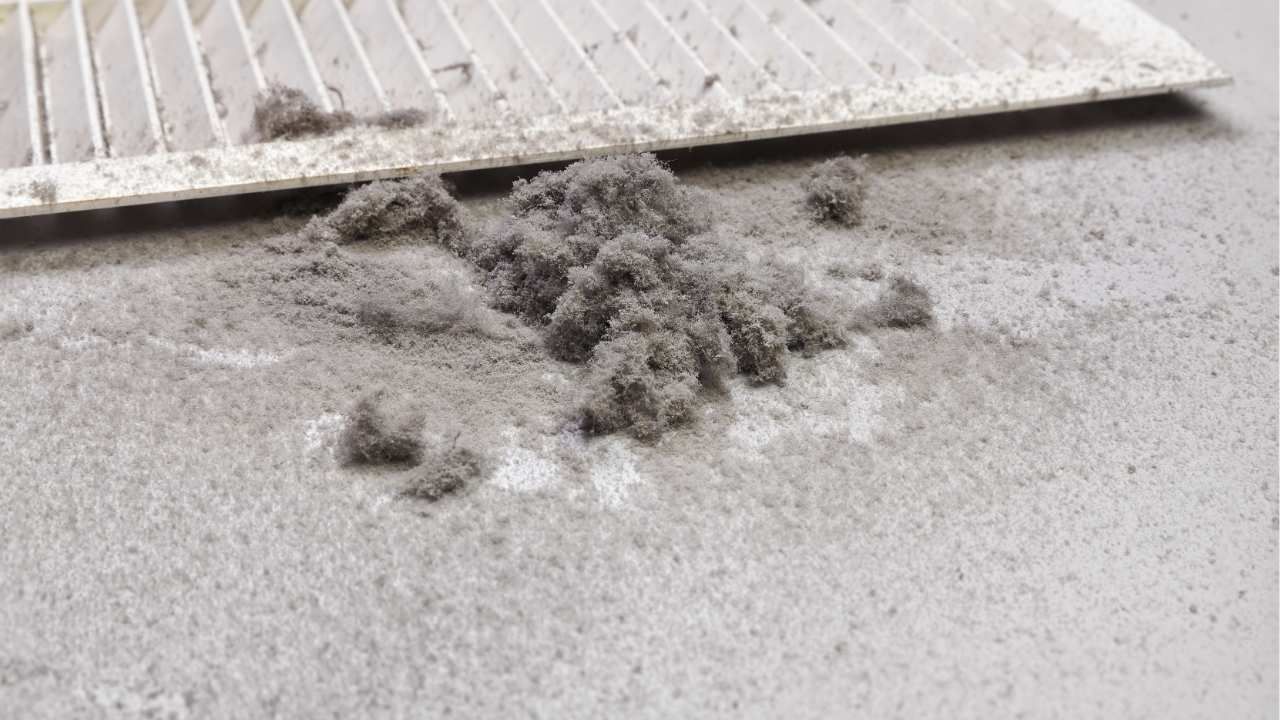
Your HVAC system continually pulls air in, conditions it, and sends it back through the house. When the ductwork contains a heavy layer of debris, airflow can carry small particles into bedrooms, kitchens, and living areas.
Common materials found inside neglected ducts include:
- Household dust and lint
- Pollen and outdoor allergens
- Pet hair and dander
- Insect debris
- Construction dust
- Mold spores where moisture is present
Not every dusty duct creates a serious health hazard. However, excessive buildup can make it harder to maintain a clean indoor environment, especially for households with pets, recent renovations, or family members who are sensitive to airborne particles.
You may notice dust returning soon after cleaning, dark residue around vents, or musty odors when the system starts. These signs do not prove that the ductwork is contaminated, but they are good reasons to schedule a professional inspection.
Moisture Can Turn Ductwork Into a Mold Risk
Dust alone is unpleasant, but dust combined with moisture creates a more serious concern. Condensation, roof leaks, plumbing problems, high indoor humidity, or improperly sealed ducts can allow dampness to enter the HVAC system.
Once moisture remains inside the ductwork, mold may grow on dust, insulation, or nearby building materials. The system can then move spores and musty odors into other parts of the property.
Cleaning visible debris without fixing the moisture source will not provide a lasting solution. A thorough response should identify why the area became damp and correct that issue before contaminated materials are cleaned or removed.
Helpful moisture-control steps may include:
- Repairing leaks near the HVAC system
- Sealing damaged or disconnected ducts
- Improving ventilation
- Managing indoor humidity
- Replacing wet insulation
- Correcting drainage or condensation problems
Addressing the cause is what keeps the problem from returning.
Poor Airflow Can Affect Comfort and Efficiency
Heavy debris inside ducts may restrict airflow, particularly when buildup occurs near vents, coils, filters, or other HVAC components. Restricted airflow can force the system to work harder to maintain the temperature you selected.
Possible warning signs include uneven temperatures, weak airflow from certain vents, longer heating or cooling cycles, and rising utility bills. These issues can have several causes, so duct cleaning should not be treated as an automatic fix for every HVAC problem.
A qualified technician can inspect the entire system and determine whether the issue involves dirty ducts, a clogged filter, mechanical damage, poor duct design, or equipment that needs repair.
When Should You Have Your Air Ducts Inspected?
Ductwork does not need to be cleaned on an arbitrary schedule. An inspection makes more sense when there is evidence of contamination or a specific event that may have introduced debris.
Consider arranging an inspection when:
- You see visible growth or heavy debris inside vents
- Musty odors appear when the HVAC system runs
- Your home recently underwent major construction
- Pests have entered the ductwork
- Water damage occurred near the HVAC system
- Dust repeatedly collects around supply vents
- Household allergy symptoms seem worse indoors
Avoid relying on appearance alone. Some surface discoloration can resemble mold, while contamination may also exist in areas that are difficult to see. Professional testing or closer inspection may be needed before choosing the right service.
Short Case Study: Solving a Persistent Musty Odor
A homeowner noticed a musty smell every time the air conditioner turned on. Regular cleaning and filter changes made little difference. During an HVAC inspection, technicians found damp insulation and debris near a section of ductwork affected by condensation. The damaged material was removed, the moisture source was corrected, and the contaminated area was properly cleaned. After the work was completed, the odor disappeared and dust accumulation around the vents decreased. The key was not simply cleaning the ducts. The lasting improvement came from identifying and repairing the moisture problem that allowed the contamination to develop.
Improve Your Indoor Air From the Source
Dirty ducts can contribute to dust, unpleasant odors, poor airflow, and the movement of airborne contaminants throughout your home. More importantly, damp or contaminated ductwork may signal a hidden moisture problem that will continue getting worse if ignored.
A professional inspection can separate ordinary dust buildup from a problem that requires deeper cleaning or remediation.
Contact us today to schedule an indoor air quality and ductwork assessment and take the first step toward cleaner, healthier air inside your property.