Why Small Leaks Should Never Be Ignored
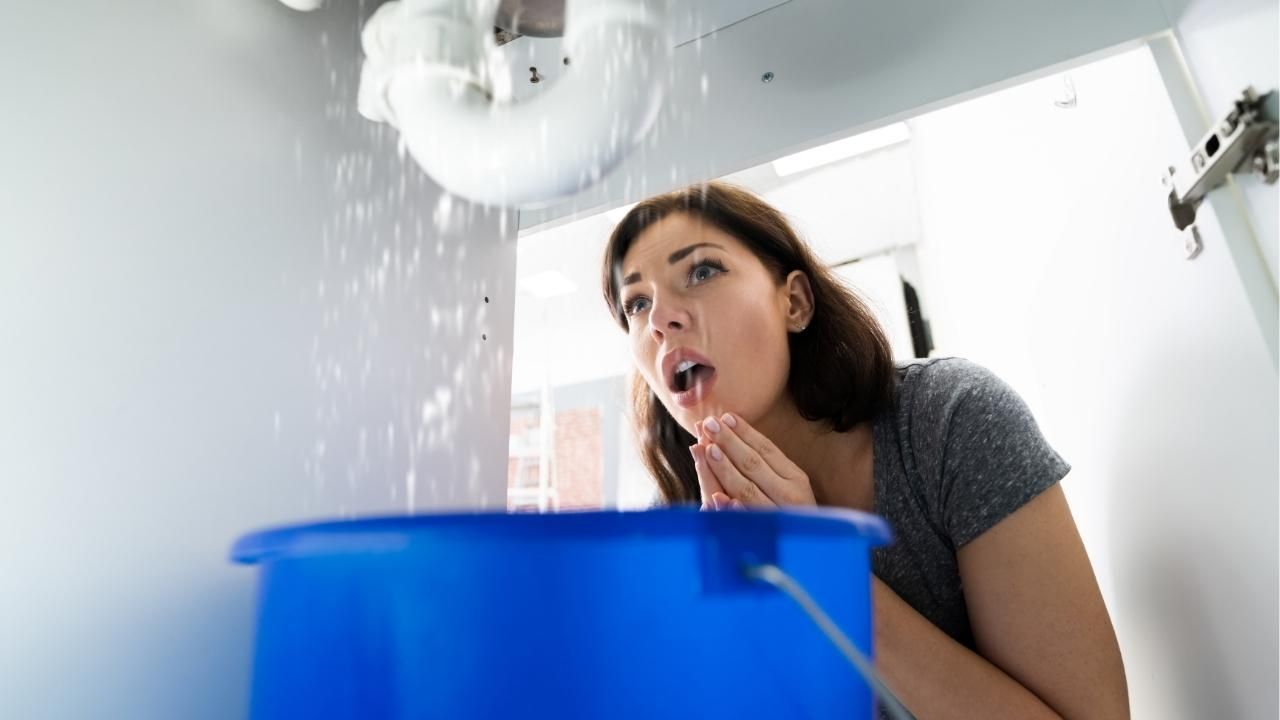
A small leak may look harmless, especially when it only leaves a faint stain or an occasional drop of water. However, moisture can travel far beyond the spot where you first notice it. In Kaua’i’s warm, humid climate, trapped water can create ideal conditions for mold, rot, and structural damage. Acting quickly can help you avoid expensive repairs and protect the health of everyone inside the property.
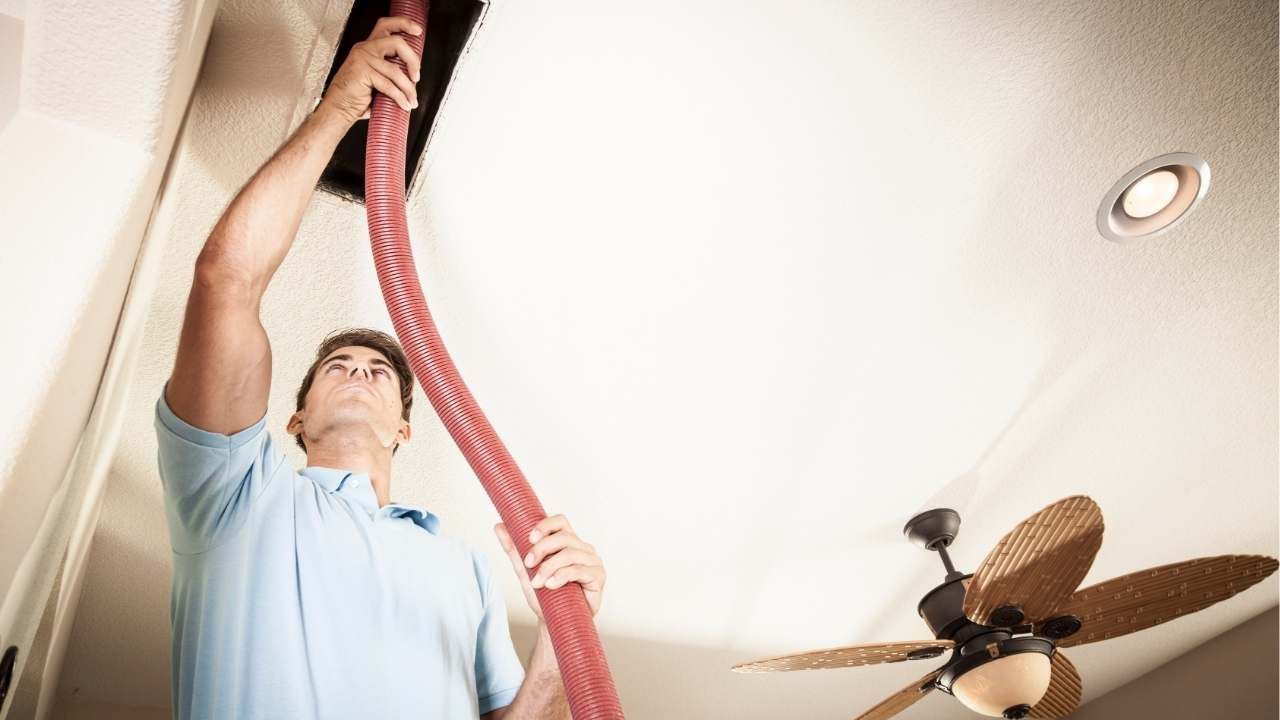
A professional team offering water damage restoration Kaua’i, Hi can locate hidden moisture and address the source before the damage spreads. This is especially important when water enters exterior walls, crawl spaces, ceilings, or areas with limited airflow. Damp outdoor surfaces may also require exterior mold and mildew removal to prevent organic growth from spreading across siding, concrete, decks, or roofing materials.
What appears to be a minor plumbing or roofing issue can eventually affect several parts of the building. Property owners who need water damage and mold removal in Kauai should not wait for stains, odors, or visible mold to become severe. Early action is almost always simpler, safer, and less expensive than delaying repairs.
This article explains why minor leaks become serious problems, which warning signs deserve immediate attention, and how professional restoration can protect your property.
A Small Leak Can Cause Widespread Damage
Water does not remain in one place. It moves through porous materials, follows framing, settles beneath flooring, and collects inside wall cavities.
A leak from a pipe beneath a bathroom sink, for example, may soak the cabinet base before reaching the subfloor. Water entering through a damaged roof may run along a rafter and appear as a ceiling stain several feet away from the actual opening.
This movement makes small leaks difficult to judge by sight alone. By the time visible damage appears, moisture may already have affected:
- Drywall and ceiling materials
- Wooden framing and subfloors
- Insulation
- Cabinets and built-in fixtures
- Electrical components
- Flooring and carpet padding
- Personal belongings
Wet building materials can weaken, swell, warp, or break down. Drywall may soften and crumble. Wood can begin to rot. Laminate flooring may separate, while hardwood can cup or buckle.
Ignoring the leak does not freeze the damage in place. It gives moisture more time to spread.
Hidden Moisture Creates Mold Risks
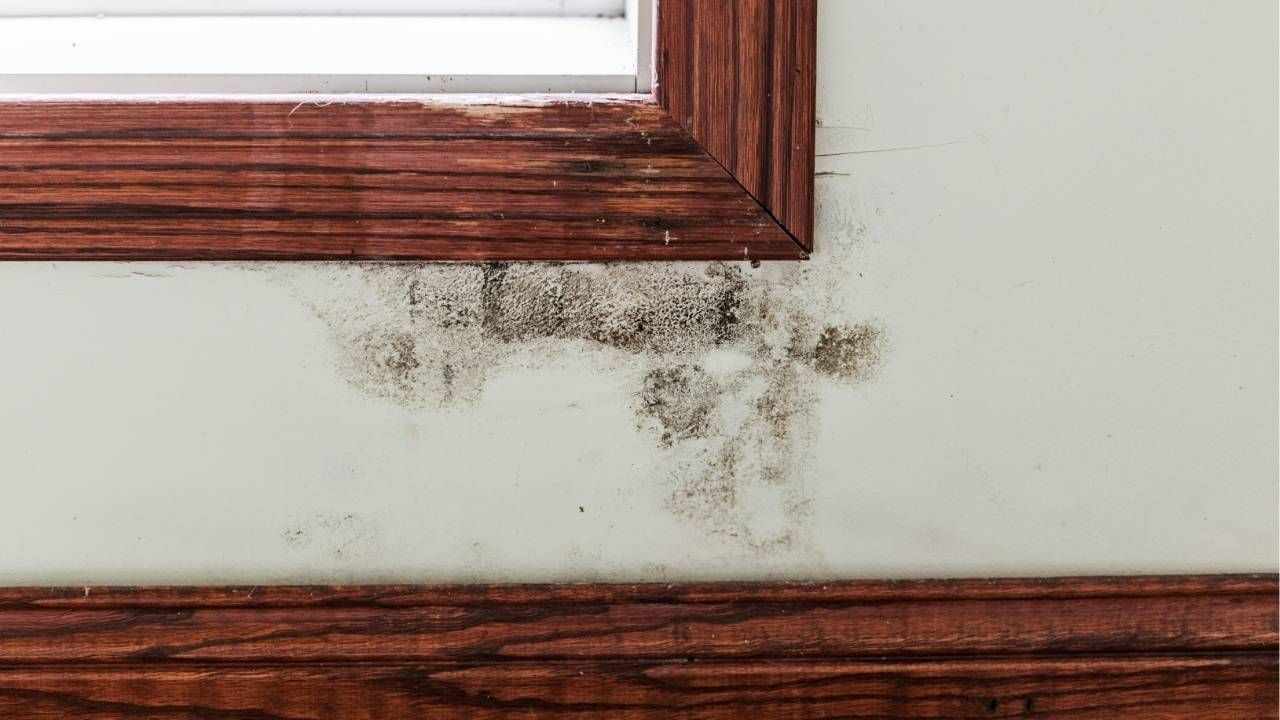
Mold does not always begin as a large, visible patch. It often develops in dark, damp areas where property owners rarely look, including behind cabinets, under flooring, inside walls, and above ceilings.
A persistent musty odor may be the first sign. Other clues can include recurring discoloration, peeling paint, bubbling surfaces, or increased allergy-like symptoms indoors.
Kaua’i’s humidity can make drying more difficult, particularly in spaces with poor ventilation. Even after a visible puddle is wiped away, moisture may remain inside absorbent materials.
Professional moisture testing is important because a surface can feel dry while deeper layers remain wet. Restoration specialists may use moisture meters, infrared imaging, and targeted inspections to determine how far the water has traveled.
Prompt drying can help prevent mold from taking hold. Once growth becomes established, the cleanup may require containment, removal of affected materials, air filtration, and detailed surface treatment.
Warning Signs You Should Never Dismiss
Not every leak produces running water. Some appear gradually and are easy to overlook.
Watch for these warning signs:
- Water stains on walls or ceilings
- Peeling, cracking, or bubbling paint
- Soft drywall or sagging ceilings
- Warped flooring or loose tiles
- Musty or earthy odors
- Unexplained increases in water bills
- Damp cabinets or closets
- Mold-like spots around windows or baseboards
- Rust around plumbing connections
- Dripping sounds when fixtures are not in use
You should also inspect areas after heavy rain, strong winds, plumbing work, or appliance failures. Roof penetrations, window frames, exterior doors, water heaters, washing machines, and air-conditioning systems are common sources of moisture.
Do not assume a stain is old simply because it feels dry. The leak may stop temporarily and return during the next storm or plumbing cycle.
Why DIY Cleanup May Not Be Enough
Cleaning up the visible water is only the first step. Towels, fans, and household cleaners may handle a minor surface spill, but they cannot confirm whether moisture has entered structural materials.
A proper restoration process may involve:
- Finding and stopping the source
- Inspecting surrounding materials
- Extracting standing water
- Removing items that cannot be safely restored
- Using commercial drying and dehumidification equipment
- Monitoring moisture levels
- Cleaning and sanitizing affected areas
- Addressing mold when necessary
- Repairing damaged walls, flooring, or finishes
The goal is not merely to make the area look dry. The goal is to return the affected materials to safe moisture levels and reduce the chance of recurring damage.
Professional help is especially important when the leak involves sewage, contaminated water, electrical hazards, extensive mold, or water that has been present for more than a brief period.
Short Case Study: The Leak Behind the Cabinet
A Kaua’i homeowner noticed a slight musty smell near the kitchen sink but found no standing water. Several weeks later, the cabinet floor began to feel soft. An inspection revealed a slow supply-line leak that had soaked the cabinet base, drywall, and part of the subfloor. Because the moisture was trapped in a dark area, mold had started growing behind the cabinet. The damaged materials had to be removed, the area dried, and the plumbing connection repaired. Addressing the issue when the odor first appeared would likely have reduced the repair area, shortened the cleanup, and lowered the overall cost.
Fast Action Can Reduce Restoration Costs
Water damage becomes more complicated over time. Materials that could have been dried and saved may eventually need to be replaced. Mold remediation, structural repairs, and finish work can also increase the final cost.
Responding early gives restoration professionals more options. They may be able to dry materials in place, limit demolition, and prevent the moisture from reaching nearby rooms.
While every situation is different, property owners should take immediate steps when they discover a leak:
- Stop the water source when it is safe to do so.
- Turn off electricity near affected areas if there is a hazard.
- Move valuables away from the moisture.
- Document visible damage with photos.
- Contact a qualified restoration professional.
- Avoid disturbing suspected mold growth.
- Arrange repairs for the original leak.
Do not cover a stain, repaint a damp wall, or seal a wet surface before the underlying problem has been resolved. Cosmetic fixes can hide warning signs while moisture continues causing damage underneath.
Protect Your Property Before the Damage Spreads
A small leak is not just a maintenance inconvenience. It is an early warning that water is entering an area where it does not belong.
The sooner the source is repaired and the affected materials are professionally inspected, the better your chances of avoiding major structural damage, mold growth, and expensive reconstruction. Even a faint odor, soft surface, or minor ceiling stain deserves attention.
Do not wait for a small leak to become a major restoration project.
Contact a local water damage professional today to inspect the affected area, stop hidden moisture, and protect your Kaua’i property.