Can Mold Grow Inside Air Ducts?
You may clean your floors, wipe down your walls, and keep your home looking spotless, yet mold can still hide where you cannot see it. One of those places is inside your air duct system, where moisture, dust, and organic debris can create the right conditions for mold growth.
Mold inside ductwork can affect indoor air quality and spread spores throughout a home whenever the HVAC system runs. Knowing what causes it, how to recognize the warning signs, and when to call a professional can help you deal with the problem before it becomes harder and more expensive to correct.
Can Mold Really Grow Inside Air Ducts?
Yes. Mold can grow inside air ducts when moisture and a suitable food source are present.
Air ducts are not automatically a breeding ground for mold. In a dry, well-maintained HVAC system, mold growth is far less likely. Problems begin when condensation, leaks, high indoor humidity, or water intrusion introduce persistent moisture.
Dust and other particles that collect inside ducts can provide additional material on which mold can grow.
This risk deserves particular attention in humid climates. When warm, moisture-rich air comes into contact with cooler HVAC components, condensation can form. If the moisture does not dry quickly, mold may begin developing on duct insulation, registers, coils, drip pans, or surrounding surfaces.
Common conditions that encourage mold include:
- High indoor humidity
- Condensation inside or around ductwork
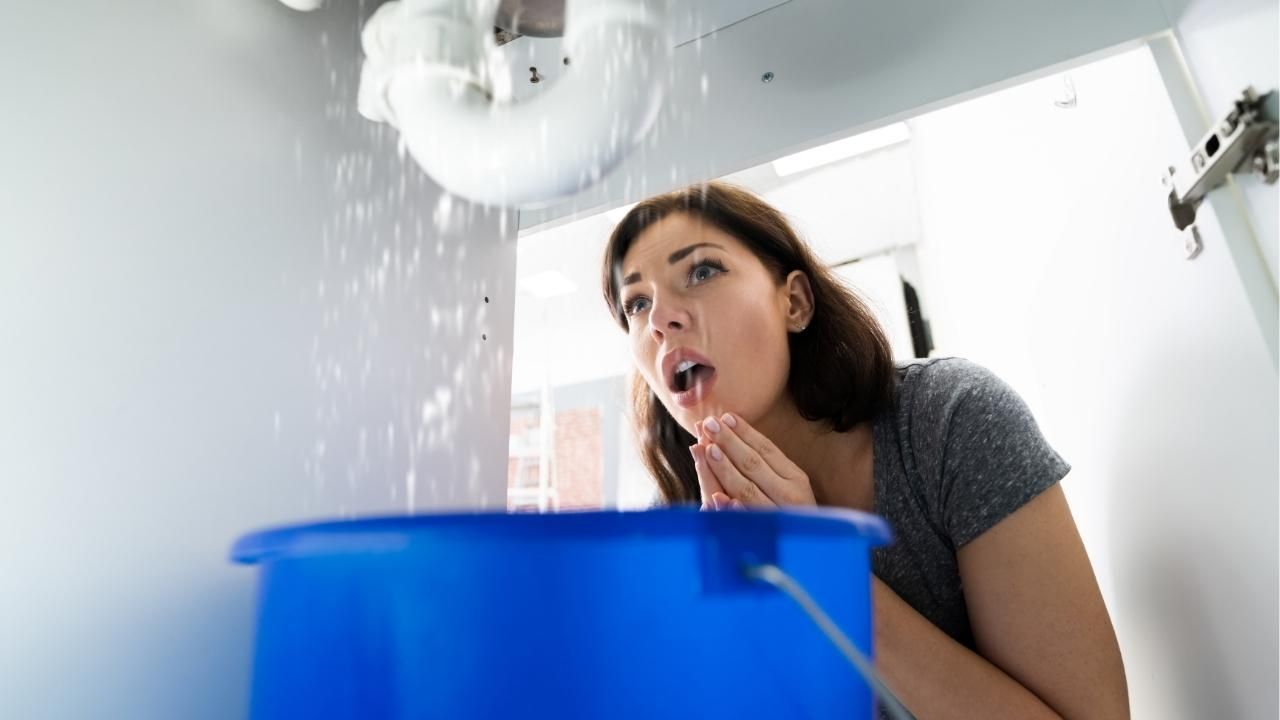
- Leaking roofs or plumbing near HVAC components
- Clogged condensate drain lines
- Dirty evaporator coils
- Wet or damaged duct insulation
- Poor ventilation
- Previous flooding or water damage
Finding mold therefore requires more than simply cleaning what is visible. The source of the moisture needs to be identified as well.
What Are the Signs of Mold in Your Air Ducts?
Mold inside ductwork can be difficult to identify because much of the HVAC system is hidden behind walls, ceilings, or floors. Still, your home may provide clues.
One common warning sign is a persistent musty or earthy odor that becomes stronger when the air conditioner turns on. An odor coming primarily from vents can suggest that moisture or microbial growth exists somewhere within the HVAC system.
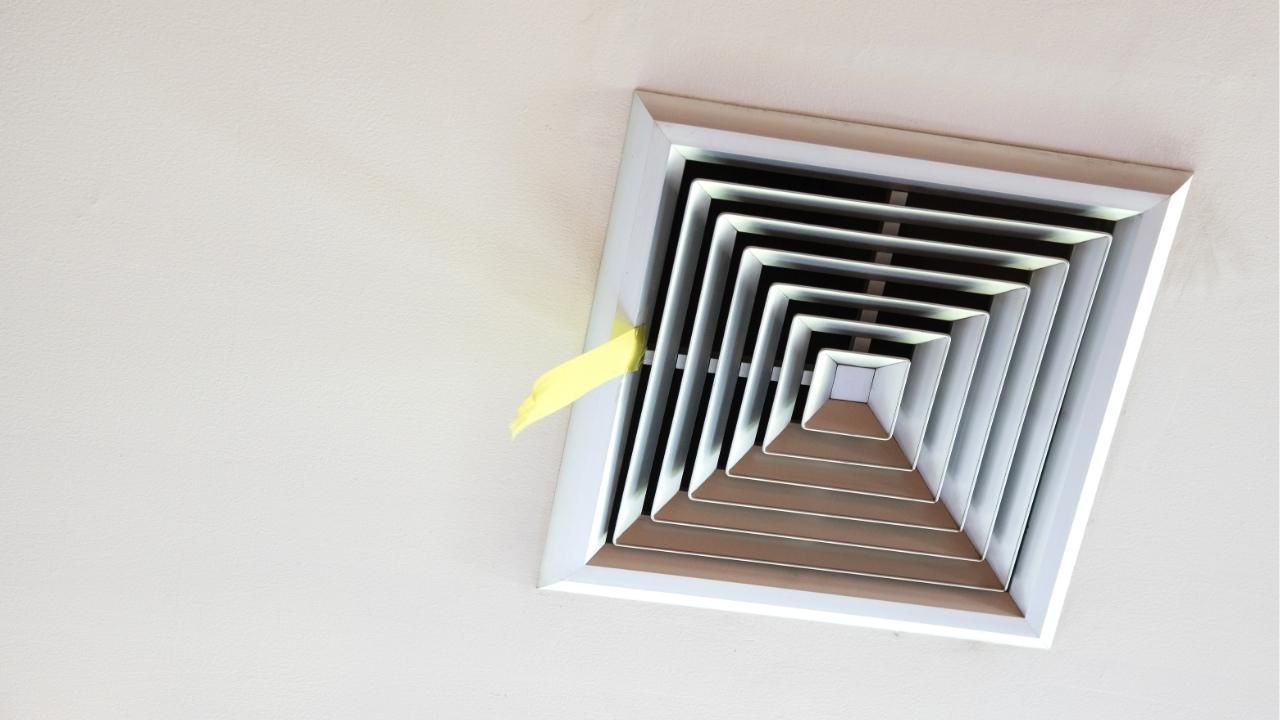
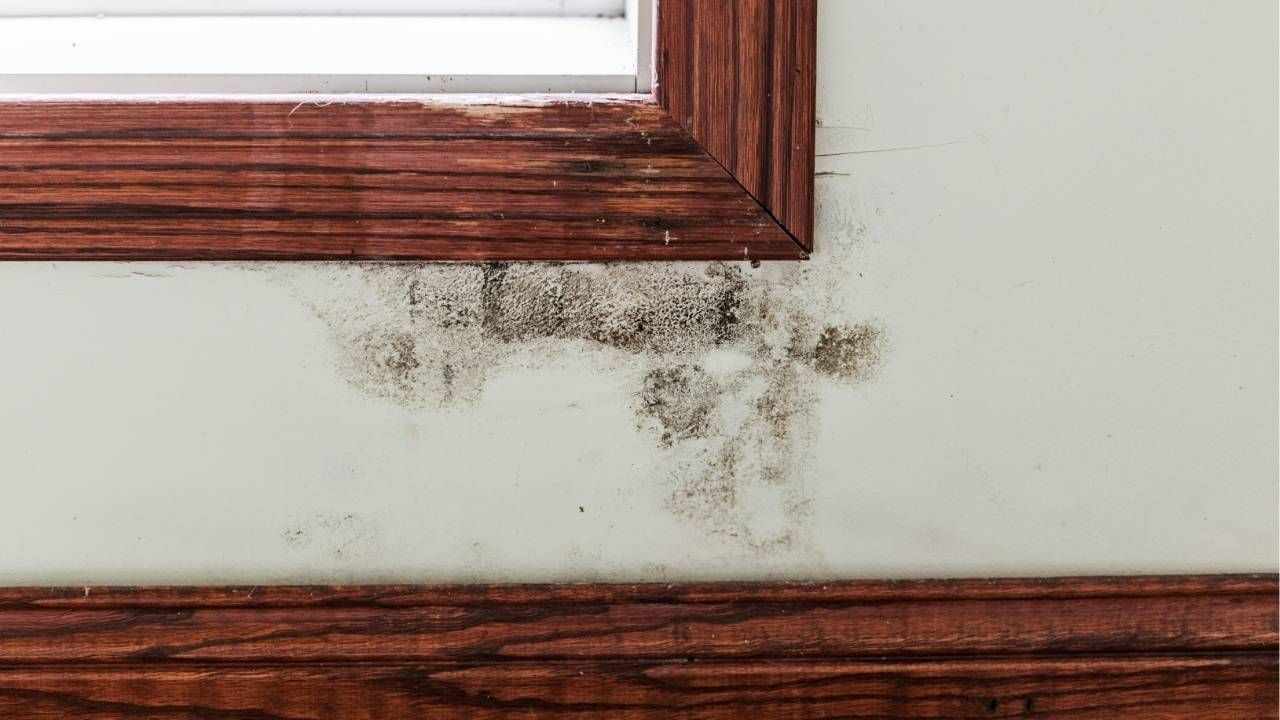
You may also notice dark, greenish, white, or fuzzy material around registers, vents, or accessible HVAC components. However, discoloration alone does not prove that mold is present. Dirt, dust, and other debris can look similar.
Other warning signs include recurring moisture around vents, visible condensation, unexplained water stains, or mold that keeps returning even after surface cleaning.
If mold is suspected, professional inspection is usually more useful than guessing based on appearance. Technicians can evaluate both the affected area and the moisture conditions that allowed the problem to develop.
Homeowners who discover widespread contamination may need professional mold removal in Kaua’i, Hi rather than attempting to clean inaccessible HVAC components themselves.
Why Cleaning the Mold Alone May Not Solve the Problem
Removing visible mold without addressing moisture is often a temporary fix.
Imagine cleaning mold from a vent while condensation continues forming deeper inside the duct system. The visible surface may look better for a while, but the conditions that caused the growth have not changed.
Effective remediation therefore focuses on two separate goals: removing contamination and correcting the moisture source.
Depending on the situation, that could mean repairing leaks, replacing wet insulation, clearing condensate lines, improving ventilation, controlling humidity, or correcting HVAC problems that cause excess condensation.
The type of duct material matters too. Some nonporous surfaces can be professionally cleaned, while contaminated porous materials may sometimes require replacement because mold can penetrate beyond the surface.
This is one reason homeowners should be cautious about spraying household bleach or other chemicals into vents. A quick spray may not reach the actual contaminated area, and introducing additional moisture or chemicals into the HVAC system can create new problems.
Does Air Duct Cleaning Remove Mold?
Air duct cleaning can play an important role when contaminants have accumulated inside the system, but ordinary duct cleaning and mold remediation are not always the same service.
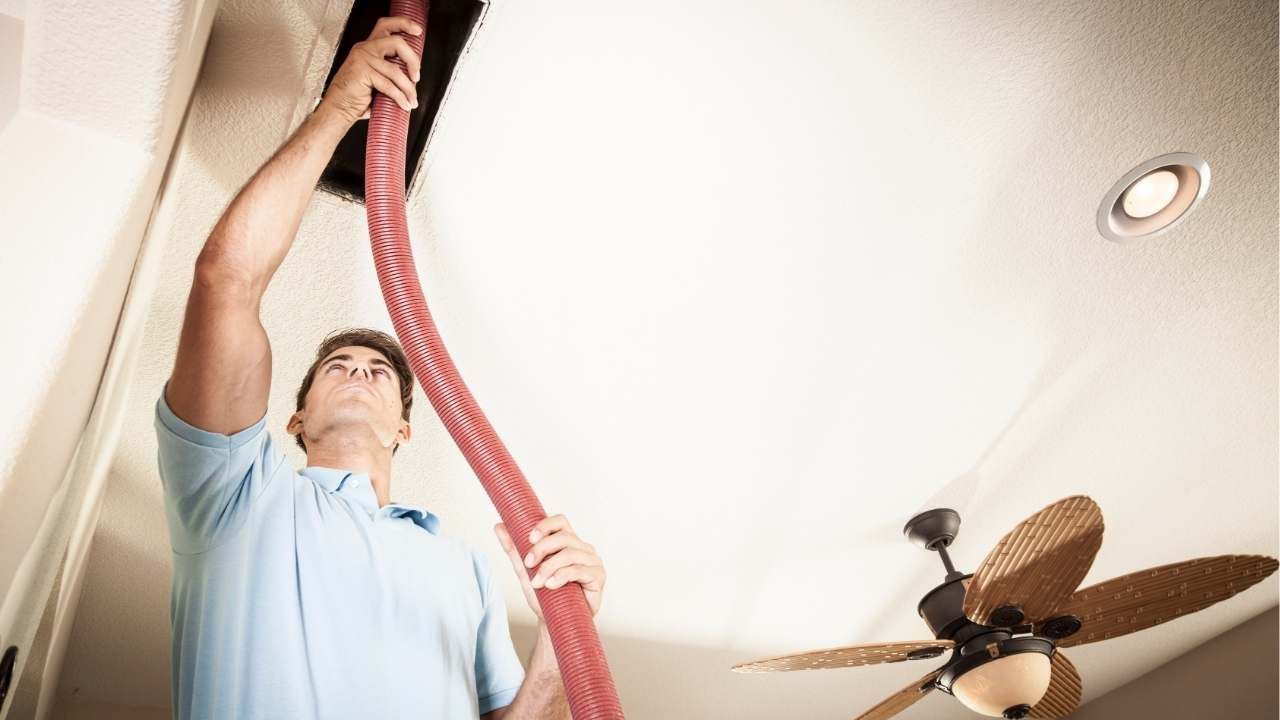
Professional air duct cleaning in Kaua’i, Hi may remove accumulated dust, debris, and other materials that have collected within accessible ductwork. If mold is confirmed, however, technicians also need to determine why it developed.
A proper assessment may include checking:
- Supply and return ducts
- Vent registers and grilles
- Evaporator coils
- Blower components
- Drain pans and condensate lines
- Insulation surrounding HVAC components
- Nearby areas affected by water intrusion
Cleaning the ducts while ignoring a leaking drain pan or persistent humidity problem could allow mold to return.
Ask any contractor you hire what areas of the HVAC system will actually be inspected and cleaned. A reputable company should be able to explain the process clearly instead of promising that one treatment will permanently eliminate every possible mold problem.
Short Case Study: The Musty Smell That Would Not Go Away
A homeowner noticed a musty smell whenever the air conditioner started. Cleaning the visible vent covers helped briefly, but the odor returned within days. An inspection found moisture near the HVAC system and contamination around an insulated section of ductwork. Instead of treating only the visible vent, technicians addressed the moisture source, cleaned the affected HVAC components, and removed material that could not be effectively restored. Once the moisture issue was corrected, the odor stopped returning. The experience highlights an important lesson: recurring mold usually points to an underlying environmental problem, not simply a dirty surface.
When Should You Call a Mold Remediation Professional?
A small amount of ordinary dust around a vent does not automatically require professional remediation. But professional help makes sense when you see substantial suspected mold growth, detect persistent musty odors, discover water damage, or cannot access the affected area safely.
The best mold remediation company should look beyond the visible contamination. A thorough contractor will investigate moisture sources, explain which materials can be cleaned or saved, and recommend steps that reduce the chance of mold returning.
Be cautious of companies that immediately recommend expensive treatment without first identifying why the mold developed.
Before hiring someone, ask:
- What is causing the moisture?
- Which HVAC components are affected?
- Can contaminated materials be cleaned, or should they be replaced?
- How will the surrounding home be protected during remediation?
- What steps can prevent the problem from returning?
Clear answers are a good sign that the contractor is addressing the whole problem rather than simply treating what can be seen.
How Can You Help Prevent Mold in Air Ducts?
Prevention comes down largely to moisture control and regular HVAC maintenance.
Replace HVAC filters according to the manufacturer's recommendations and keep vents unobstructed. Have condensate drains and cooling components inspected periodically, especially if you notice leaking water or unusual condensation.
Watch indoor humidity as well. Persistent humidity creates favorable conditions for mold not only inside ductwork but throughout the home.
Most importantly, deal with water problems quickly. Roof leaks, plumbing leaks, overflowing drain pans, and storm-related water intrusion become much more difficult to manage when damp materials remain wet for extended periods.
A clean HVAC system matters, but a dry HVAC system matters even more.
Protect Your Home Before a Small Moisture Problem Spreads
Mold can grow inside air ducts, but it generally needs moisture to get started. That means recurring mold, musty HVAC odors, or visible contamination should be treated as signs that something deeper may need attention.
Cleaning what you can see may improve appearances. Finding and correcting the cause is what helps protect your home over the long term.
If you suspect mold is hiding inside your HVAC system,
schedule a professional inspection to identify the source, assess the affected areas, and determine the safest way to restore clean, healthy indoor conditions.