Signs Your Air Ducts May Need Cleaning
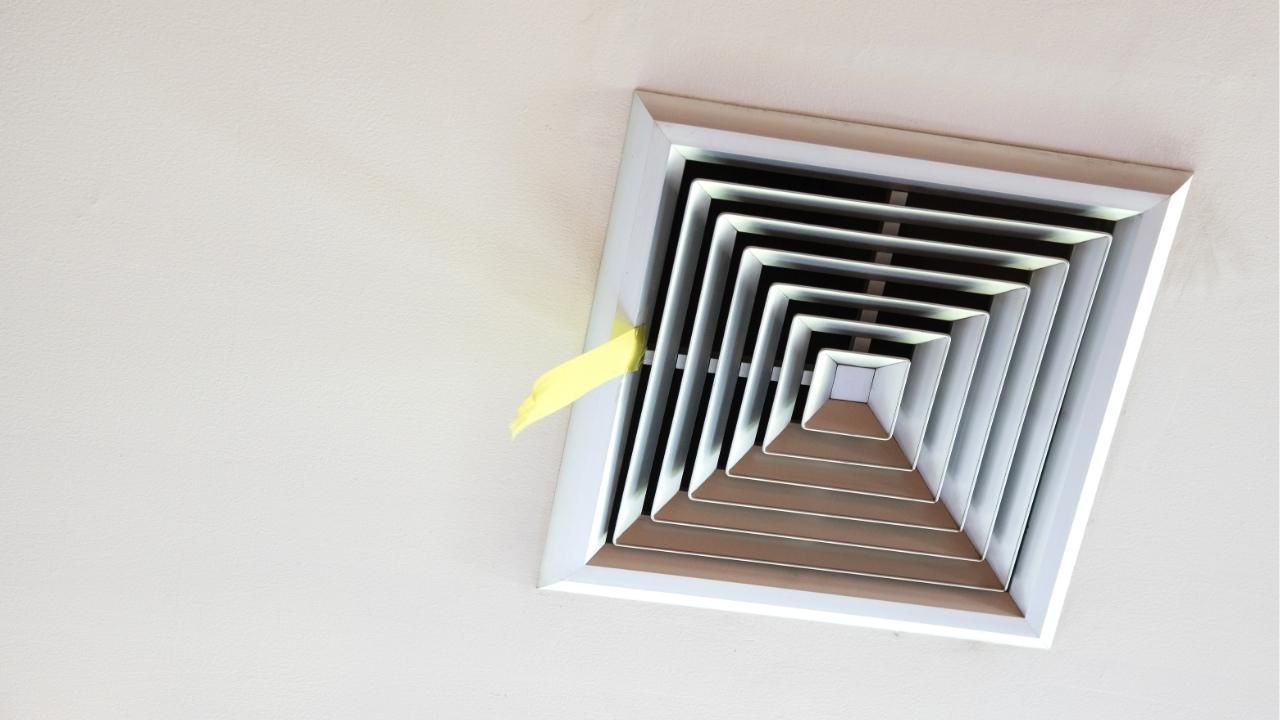
Your air ducts stay out of sight, so it is easy to forget they are part of your home’s cleaning and maintenance needs. However, when dust, moisture, pet hair, and other debris build up inside the system, the effects can show up in your air quality, energy use, and everyday comfort.
Homeowners already dealing with indoor moisture or considering mold remediation in Kaua’i, Hi should pay close attention to the condition of their ductwork. Professional air duct cleaning services may help remove accumulated debris, while experienced cleaning professionals can identify warning signs that are easy to miss without the right equipment.
Below, you will learn how to recognize common signs of dirty ductwork, what may be causing the problem, and when it makes sense to schedule an inspection.
1. Dust Keeps Returning After You Clean
A little dust is normal in any home. It becomes a concern when surfaces look dusty again only a day or two after wiping them down.
Dirty ductwork can circulate fine particles throughout the house whenever the heating or cooling system runs. The dust may settle on:
- Shelves and countertops
- Ceiling fan blades
- Window sills
- Electronics
- Furniture near vents
- Floors around registers
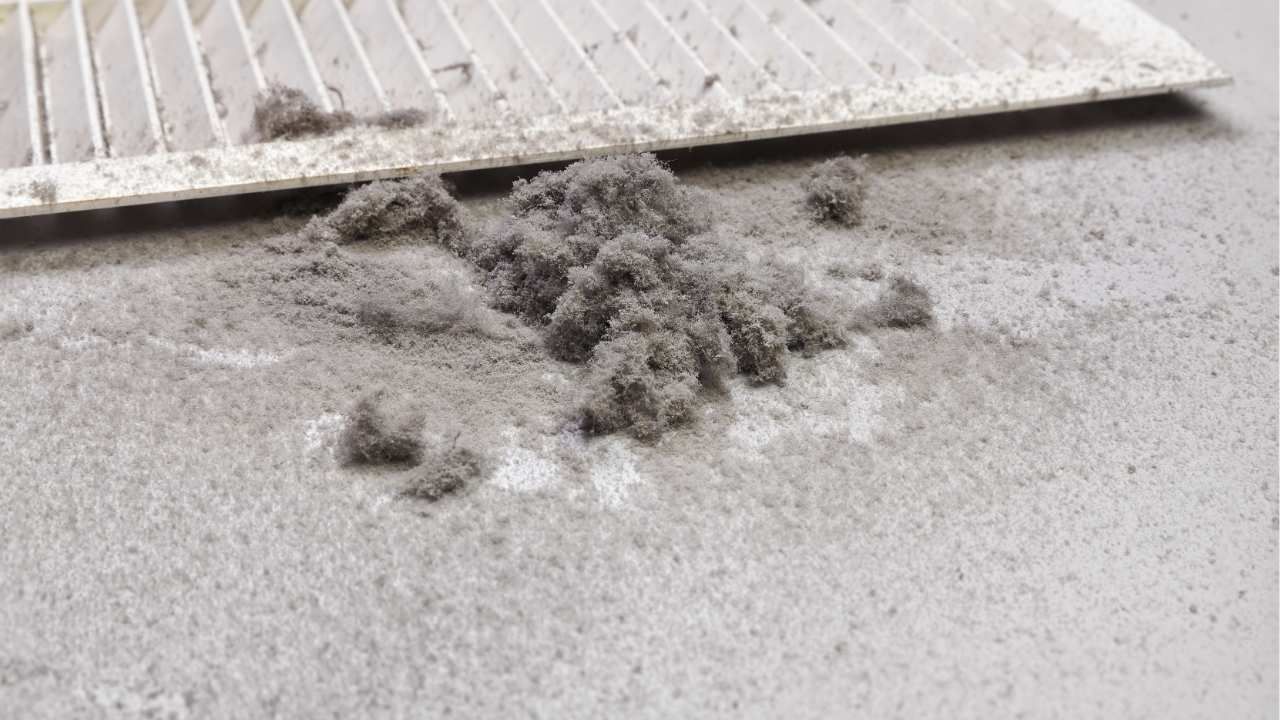
Check the supply vents closely. If you notice dark buildup, clumps of dust, or debris around the vent covers, the inside of the system may need attention.
Cleaning visible vent covers can help improve their appearance, but it does not address contamination deeper inside the ducts. A proper inspection can determine whether the buildup is limited to the registers or spread throughout the system.
2. You Notice Musty or Unpleasant Odors
Your HVAC system should not fill the home with a stale, damp, or musty smell. If an odor becomes stronger when the air conditioner turns on, the source may be somewhere inside the ductwork, air handler, or nearby components.
Common causes include:
- Trapped moisture
- Dust mixed with humidity
- Pest activity
- Dirty filters
- Organic growth
- Debris left after construction or repairs
Homes in humid climates may be more vulnerable because moisture can enter through leaks, condensation, or poorly insulated ducts. Once moisture combines with dust and organic material, odors may continue until the underlying source is removed.
Do not cover up persistent smells with sprays or air fresheners. That only masks the warning sign. The better approach is to locate the source and correct the moisture or contamination issue behind it.
3. Allergy Symptoms Feel Worse Indoors
Sneezing, coughing, itchy eyes, or throat irritation can have many causes. Still, if symptoms regularly become worse inside the home, airborne particles may be contributing to the problem.
Ductwork can collect and redistribute materials such as:
- Pollen
- Pet dander
- Fine dust
- Insect debris
- Fibers
- Outdoor particles
- Residue from smoke or renovations
This does not mean duct cleaning is a cure for allergies. Indoor air quality depends on several factors, including ventilation, humidity, filtration, flooring, bedding, and household habits.
However, heavily contaminated ducts may make it harder to keep the indoor environment comfortable. An inspection can help determine whether the duct system is part of the issue or whether another source needs to be addressed first.
4. Debris Blows Out of the Vents
Visible particles coming from your vents are one of the clearest signs that the system needs to be checked.
You may notice small puffs of dust when the HVAC system starts. In more serious cases, bits of insulation, dirt, insect material, or other debris may appear near the registers.
Possible causes include:
- Excessive buildup inside the ducts
- Damaged duct lining
- Gaps in the system
- Loose insulation
- Pest intrusion
- Debris from remodeling work
Particles blowing into the room should not be ignored. Aside from creating more cleaning work, they may point to damaged or poorly sealed ductwork. Cleaning alone may not solve the problem if repairs are also needed.
5. Some Rooms Have Weak Airflow
Uneven airflow is not always caused by dirty ducts, but buildup or blockages can sometimes restrict how easily air moves through the system.
Signs of an airflow problem include:
- One room stays warmer than the others
- Certain vents produce very little air
- The HVAC system runs longer than usual
- Utility bills rise without a clear reason
- The home takes longer to cool down
Before assuming the ducts are dirty, check whether the vents are open and unobstructed. Furniture, curtains, or rugs can block airflow without anyone noticing.
If the problem continues, a technician may need to inspect the ductwork for buildup, crushed sections, loose connections, or leaks. Identifying the real cause prevents you from paying for a service that will not correct the problem.
6. There Has Been Recent Construction or Remodeling
Construction creates more fine dust than most homeowners realize. Drywall sanding, flooring installation, demolition, painting preparation, and wood cutting can release particles that spread far beyond the immediate work area.
When the HVAC system operates during a renovation, some of that debris may be pulled into the return vents. Even with filters in place, fine particles can enter the duct system.
After a major project, look for these warning signs:
- White or gray dust around registers
- New odors when the system runs
- Filters getting dirty unusually fast
- Dust collecting more quickly than before
- Visible particles blowing from vents
Replacing the filter is a good first step. If the issue continues, an inspection may reveal whether construction dust has settled deeper inside the system.
7. You Suspect Pests Have Entered the Ductwork
Rodents, insects, and other pests may enter ducts through damaged sections, loose connections, crawl spaces, or exterior openings.
Possible warning signs include:
- Scratching or movement inside walls
- Droppings near vents
- Unusual odors
- Nesting material
- Insect remains around registers
- Sudden allergy-like irritation
Pest contamination should be handled carefully. The entry point must be sealed, the infestation removed, and affected areas cleaned properly. Simply vacuuming the visible debris may leave contamination behind.
A coordinated approach between pest control, HVAC repair, and cleaning providers may be necessary to solve the problem completely.
8. You Can See Signs of Moisture or Growth
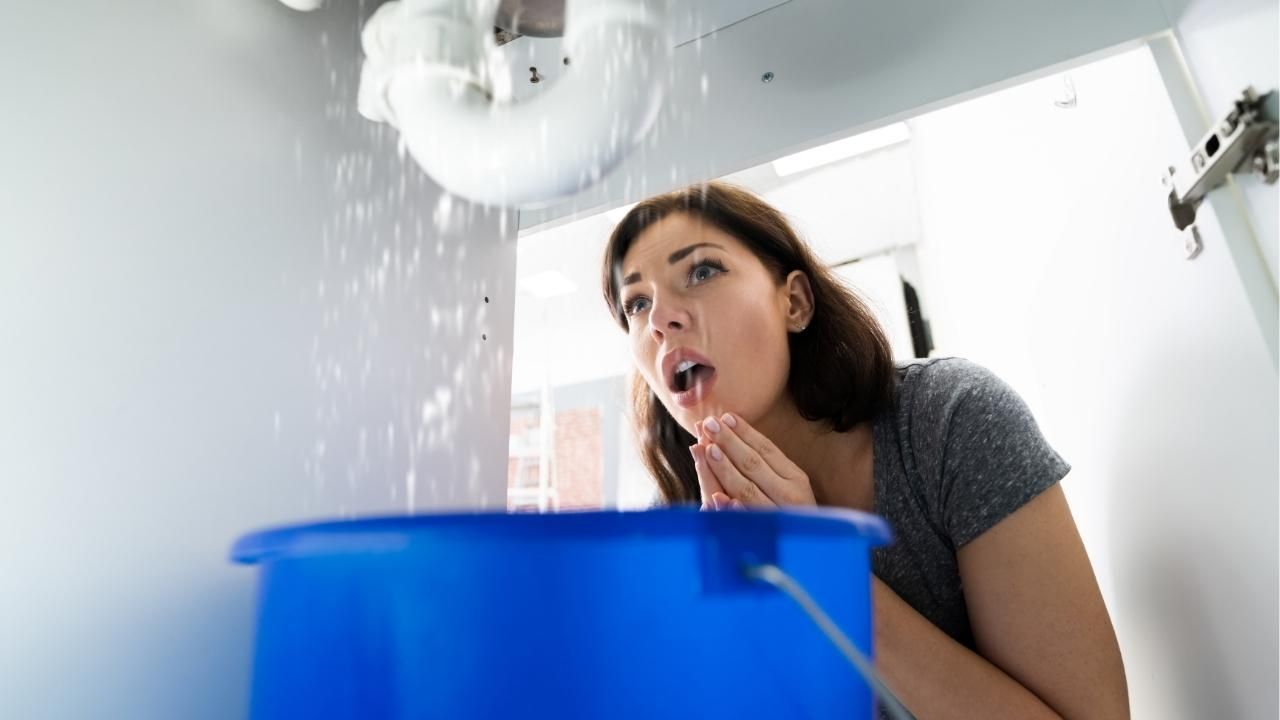
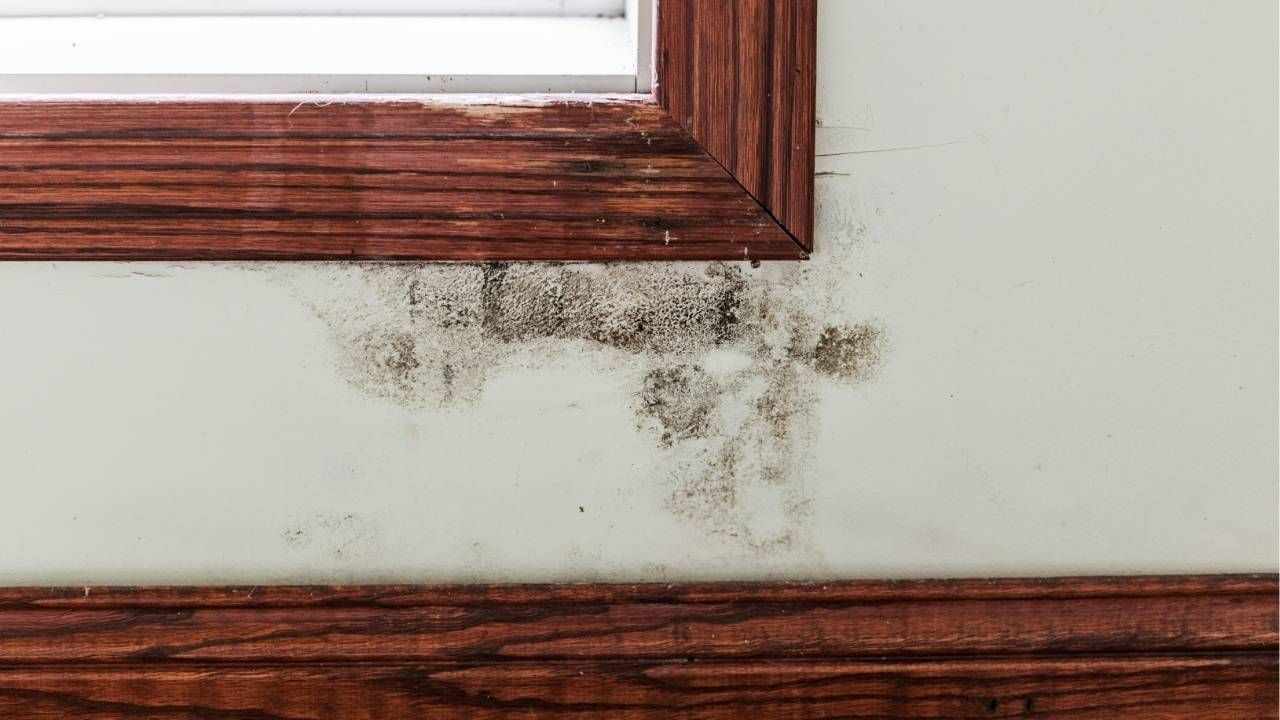
Moisture inside or around ductwork deserves immediate attention. You may notice condensation, water stains, damp insulation, peeling material, or suspicious spotting near vents.
The first priority is not cleaning. It is finding out why moisture is present.
Potential causes include:
- Leaking ducts
- Poor insulation
- Roof or plumbing leaks
- High indoor humidity
- Drainage problems
- Condensation near cooling components
Removing visible contamination without correcting the moisture source is usually a temporary fix. The problem is likely to return.
A qualified provider should inspect the affected area, determine the extent of the issue, and recommend the right combination of drying, repair, cleaning, and prevention.
A Short Homeowner Case Study
A Kaua’i homeowner noticed a musty smell each time the air conditioner started, but the odor faded after a few minutes. They initially assumed the filter was dirty and replaced it twice. When the smell continued, an inspection found moisture near a poorly sealed duct connection and heavy dust buildup around the affected section. The connection was repaired, the damp material was replaced, and the contaminated area was cleaned. Afterward, the odor disappeared and airflow improved in two nearby rooms. The key lesson was simple: cleaning helped, but fixing the moisture source first prevented the problem from returning.
Should You Have Your Air Ducts Cleaned?
Not every home needs frequent duct cleaning. Be cautious of companies that recommend it on a rigid schedule without first examining the system.
A professional inspection may be worthwhile when there is:
- Visible contamination
- Persistent odor
- Pest activity
- Heavy construction dust
- Debris coming from vents
- Confirmed moisture damage
- Significant buildup affecting airflow
Ask the provider what they found, where the problem is located, and whether cleaning alone will solve it. Reputable companies should be able to explain their findings clearly and discuss any repairs, moisture control, or filtration improvements that may also be needed.
Protect Your Home’s Air Quality
Dirty air ducts are not always obvious, but your home may provide clues through dust, odors, weak airflow, or recurring indoor air concerns. Acting early can help prevent contamination from spreading and may uncover hidden moisture, damage, or pest problems before they become more expensive.
Schedule a professional duct inspection today to identify the source of the problem and receive a clear plan for improving the cleanliness and comfort of your home.