Why Flood Damage and Mold Go Hand-in-Hand

Flooding doesn’t just leave behind water, it creates the perfect storm for something far worse. Within hours, hidden moisture can turn into a breeding ground for mold, quietly spreading behind walls and under floors. What looks like a simple cleanup job can quickly spiral into a serious health and structural issue.
In this guide, you’ll learn why flood damage and mold are so tightly connected, how fast the problem develops, and what you can do to stop it before it gets out of control.
The Hidden Danger After Flooding
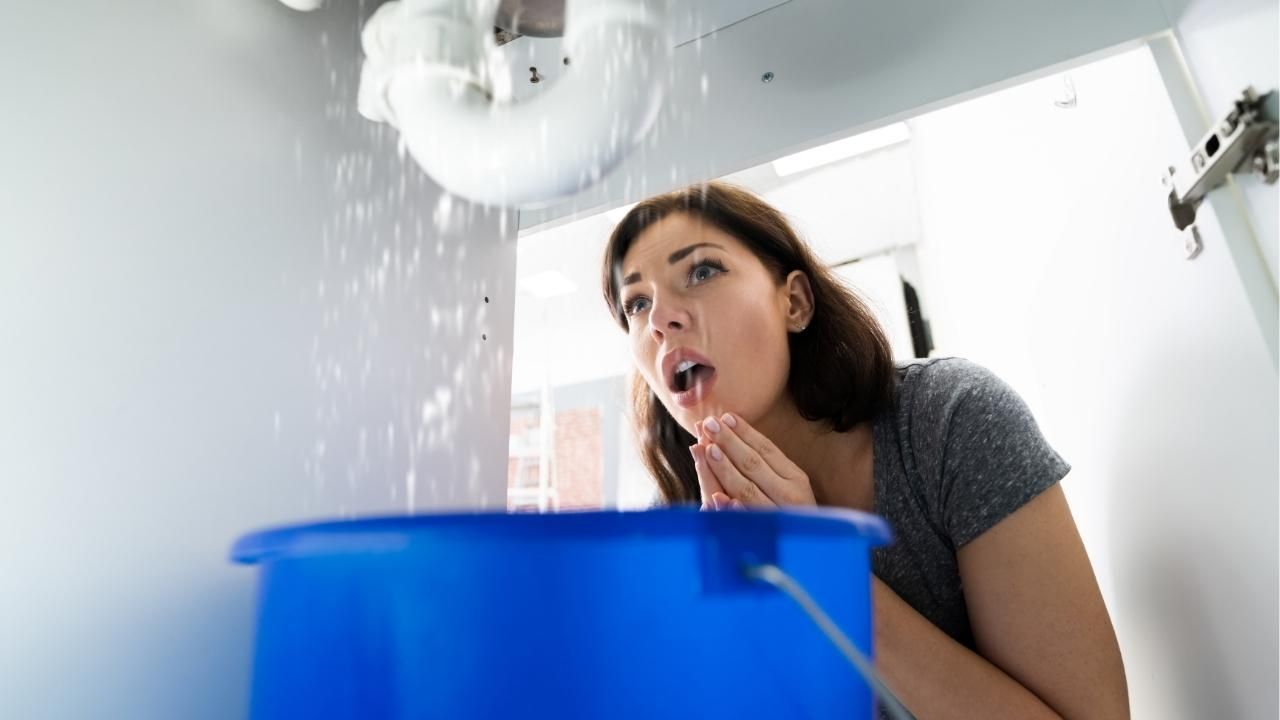
When water enters your home, it rarely stays where you can see it. It seeps into drywall, insulation, wood, and even concrete. Many homeowners turn to Kaua’i, Hi water damage repair services to remove standing water, but the real challenge begins after the visible moisture is gone.
Here’s the problem:
- Moisture lingers in porous materials
- Air circulation is often limited in affected areas
- Humidity levels spike rapidly
This combination creates an ideal environment for mold spores to activate and grow. And they don’t waste time.
How Fast Mold Starts Growing
Mold growth can begin in as little as 24 to 48 hours after water exposure. That’s not a long window. If drying isn’t thorough and immediate, you’re already behind.
Once mold takes hold, it spreads quickly by releasing microscopic spores into the air. These spores settle in new areas, especially where moisture remains.
Common places mold hides after flooding:
- Behind drywall
- Under carpets and padding
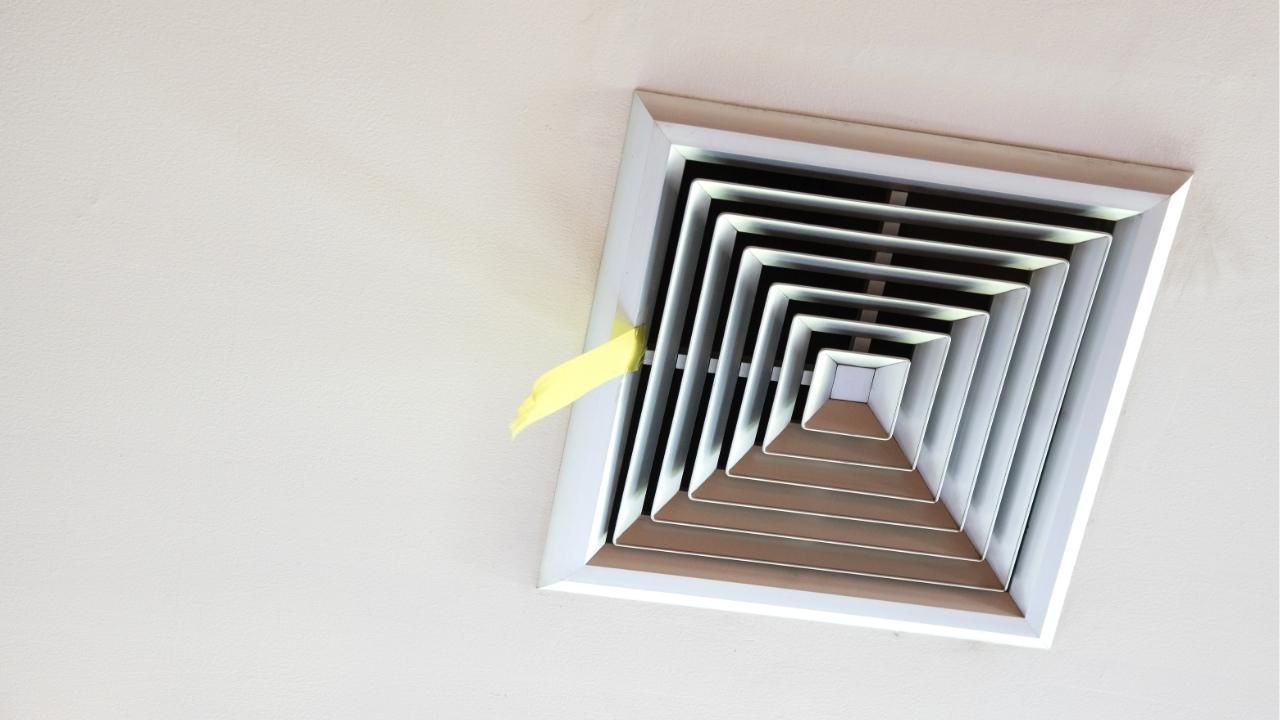
- Inside HVAC systems
- Beneath wooden flooring
This is why relying on basic cleanup or even standard deep & general cleaning isn’t enough. Mold isn’t just on the surface, it embeds itself into materials.
Why Mold and Flood Damage Are Always Linked
Floodwater doesn’t just bring moisture, it often carries contaminants. Dirt, bacteria, and organic debris create nutrients that mold feeds on.
Think about it:
- Wet drywall = moisture + organic material
- Damp wood = ideal mold food source
- Fabric and insulation = perfect for trapping moisture
This makes flood-damaged homes incredibly vulnerable. Even if everything looks dry, the conditions for mold may still exist beneath the surface.
That’s why many homeowners eventually need professionals who handle mold issues, not just water removal. Skipping this step is where most problems escalate.
Case Study: A Small Leak Turned Costly
A homeowner experienced minor flooding after a storm, nothing dramatic, just a few inches of water in the living room. They dried the area with fans and assumed everything was fine.
Two weeks later, a musty odor developed. Soon after, discoloration appeared along the baseboards. By the time professionals inspected the home, mold had spread behind the walls and under the flooring.
The fix required:
- Removing drywall sections
- Replacing flooring
- Full mold remediation
What could have been a simple drying job turned into a major repair costing thousands. The root cause? Hidden moisture left untreated.
How to Prevent Mold After Flood Damage
The key is speed and thoroughness. You don’t just remove water, you eliminate moisture at every level.
Here’s what actually works:
- Act immediately – Start drying within hours
- Use professional equipment – Industrial dehumidifiers and air movers
- Remove affected materials – Especially carpet, padding, and insulation
- Inspect hidden areas – Walls, crawl spaces, and subflooring
- Monitor humidity levels – Keep indoor levels below 50%
Most importantly, don’t assume the job is done just because surfaces feel dry. Mold thrives where you’re not looking.
Final Thoughts: Don’t Let It Linger
Flood damage and mold aren’t separate problems, they’re part of the same chain reaction. Ignore one, and the other will follow.
If your home has experienced flooding, take it seriously from day one. Get the right help, dry everything thoroughly, and inspect beyond what’s visible.
Take action now, don’t wait for mold to show up before you deal with the damage. Contact us today to protect your home and your health.