Basement Mold: 5 Common Triggers You’re Overlooking
You walk into your basement and notice that familiar musty smell. At first, it seems harmless, just a little dampness. But in many homes, that odor is the first warning sign of mold quietly spreading behind walls, under carpets, and along wood framing.
The tricky part? Basement mold often starts because of small issues homeowners overlook. In this article, you’ll learn five common triggers that cause basement mold, how they develop, and what you can do to stop them before they turn into a bigger problem.
Hidden Moisture From Poor Ventilation
Basements naturally hold more humidity than the rest of the home. Without proper airflow, moisture lingers in the air and settles on cool surfaces like concrete walls and pipes.
Many homeowners underestimate how quickly mold can grow when humidity levels rise above 60 percent. Over time, this creates the perfect breeding ground for spores.
Signs your basement ventilation may be lacking include:
- Condensation on pipes or walls
- A persistent musty smell
- Damp cardboard boxes or stored items
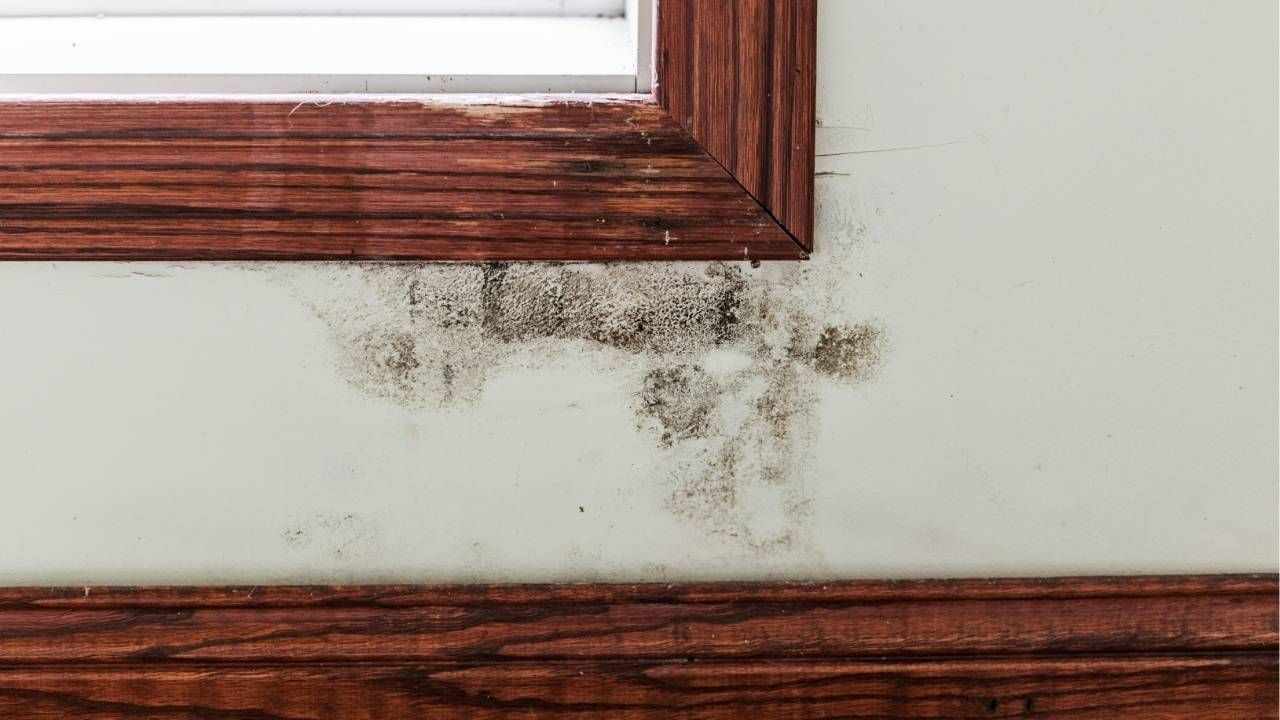
- Mold spots forming in corners or along baseboards
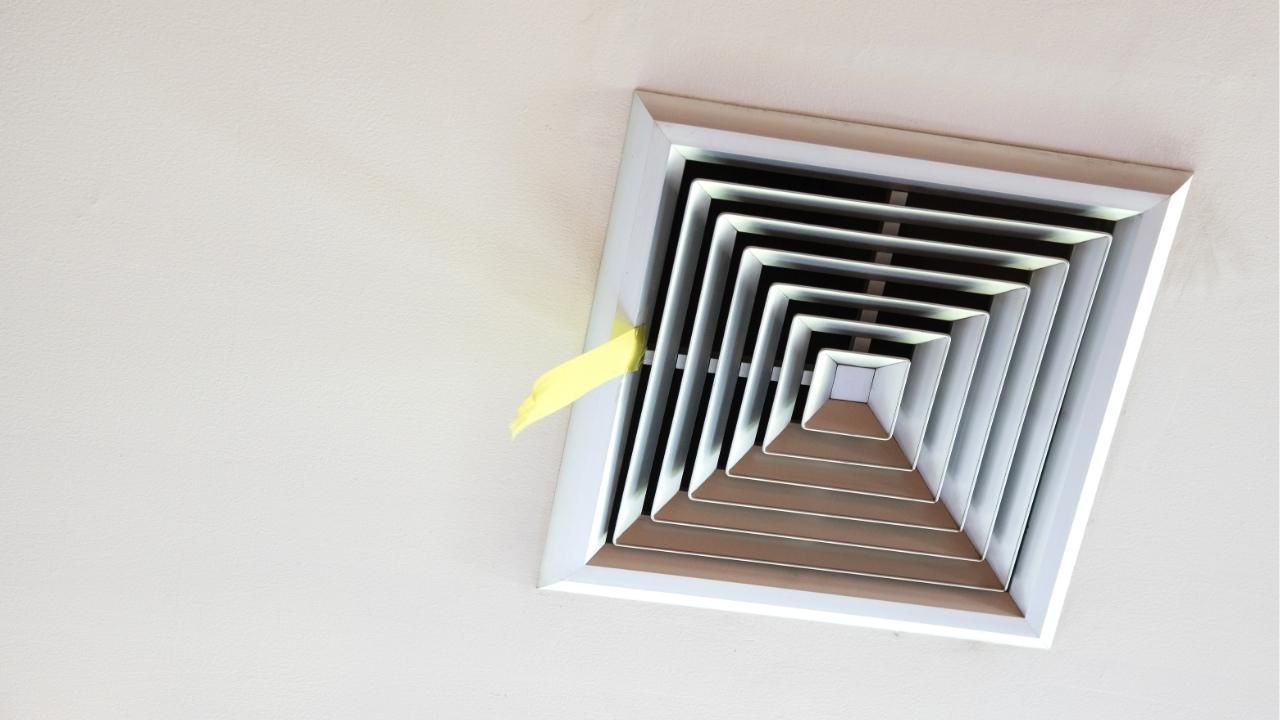
Regular maintenance tasks such as air duct cleaning in Kauai, Hi can help improve airflow throughout the home and reduce excess moisture that drifts into lower levels.
Small Plumbing Leaks You Don’t Notice
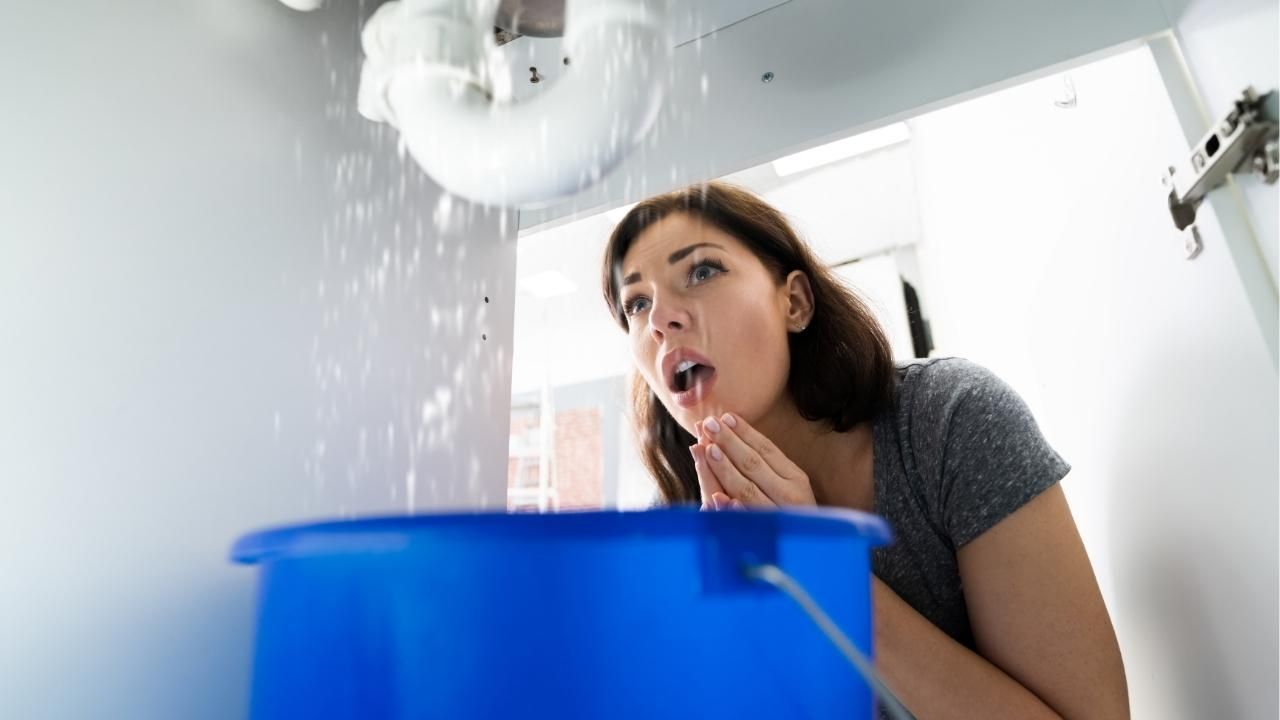
A dripping pipe behind a wall or under the basement sink may not seem like a major concern. However, even slow leaks provide consistent moisture that mold needs to thrive.
Because basements often have exposed plumbing, they’re especially vulnerable to unnoticed water issues.
Common leak sources include:
- Water heater connections
- Washing machine hoses
- Basement bathroom plumbing
- Foundation wall pipe entries
Checking these areas a few times a year can prevent long-term damage and mold growth.
Foundation Cracks Letting Moisture In
Tiny foundation cracks may look cosmetic, but they can quietly allow groundwater to seep into your basement. During rainy seasons or snowmelt, this moisture gradually builds up behind walls and flooring.
Once water enters the basement structure, it can soak insulation, drywall, and wooden framing. These materials trap moisture, which accelerates mold growth.
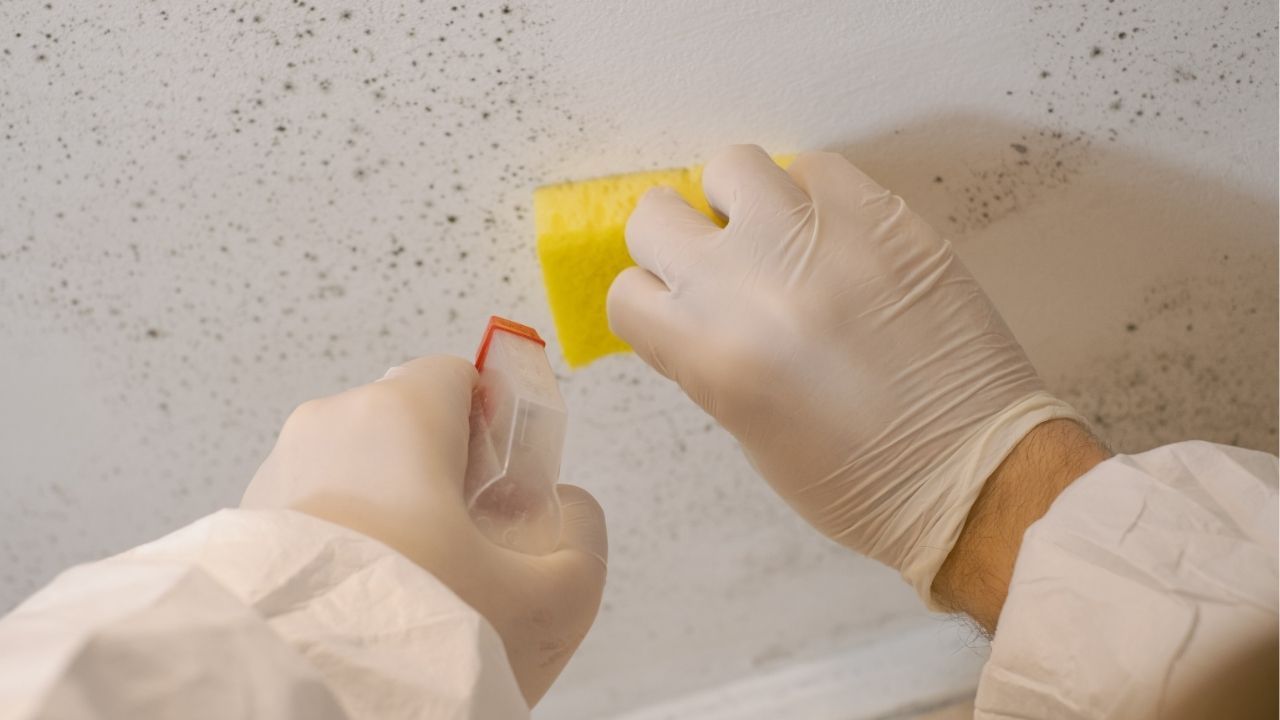
If you notice water stains, peeling paint, or damp patches on basement walls, it may be time to consult professionals experienced in mold remediation in Kaua’i, Hi to identify hidden moisture sources and stop the spread.
Poor Storage Habits That Trap Dampness
Basements are often used as long-term storage spaces, but the way items are stored can contribute to mold problems.
Cardboard boxes, fabric bins, and stacked belongings block airflow and trap humidity against surfaces. Over time, these materials absorb moisture and become ideal environments for mold.
To reduce the risk:
- Use plastic storage containers instead of cardboard
- Keep items off the floor using shelving
- Leave space between walls and stored belongings
- Avoid storing damp clothing or fabrics
Small changes in storage habits can dramatically reduce basement humidity buildup.
Neglected HVAC and Drainage Systems
Another overlooked trigger is poor drainage around the home and neglected HVAC systems.
Clogged gutters, improper yard grading, or a malfunctioning sump pump can push water toward the basement foundation. At the same time, an HVAC system that isn’t maintained can circulate humid air throughout the house.
In some cases, homeowners don’t realize mold is already spreading until they call the best mold remediation company for a full inspection.
Quick Case Study: A Basement Problem That Started Small
A homeowner in a coastal community noticed occasional dampness along one basement wall after heavy rain. Since the area dried quickly, the issue seemed minor and was ignored.
Six months later, the musty smell grew stronger. When professionals inspected the basement, they discovered a hairline foundation crack allowing moisture inside. Mold had already formed behind drywall and spread along insulation.
The repair involved sealing the foundation, replacing affected materials, and improving ventilation. If the problem had been caught earlier, the cleanup would have been far simpler and far less expensive.
The Bottom Line
Basement mold rarely appears overnight, it usually starts with small, overlooked triggers that slowly create the right conditions for growth.
By addressing ventilation issues, fixing leaks, sealing foundation cracks, improving storage habits, and maintaining drainage systems, homeowners can dramatically reduce their risk.
If you suspect mold in your basement, don’t wait until it spreads. Schedule a professional inspection and take action before the problem becomes costly and difficult to remove.