How to Tell If Your Dryer Is Causing Moisture Buildup and Mold
It’s easy to assume your dryer is harmless. After all, it simply dries clothes and sends the warm air outside, right? But when a dryer vent isn’t working properly, that hot, humid air can stay trapped inside your home, quietly creating the perfect environment for moisture buildup and mold.
In this guide, you’ll learn how dryers contribute to indoor moisture problems, the warning signs to watch for, and the steps you can take before a small issue turns into a costly repair.
Why Dryers Can Create Hidden Moisture Problems
A clothes dryer produces a surprising amount of moisture during every cycle. Normally, that warm, humid air is pushed through a vent and safely expelled outdoors. But when the vent becomes clogged or damaged, the moisture has nowhere to go.
That trapped humidity can seep into walls, ceilings, and nearby surfaces. Over time, the moisture builds up and may lead to mold growth, especially in enclosed spaces like laundry rooms, closets, and basements.
Many homeowners first notice the issue when they schedule dryer vent cleaning in Kaua’i, Hi and discover lint blockages or poorly installed vent ducts. Even a partially blocked vent can reduce airflow enough to cause condensation problems indoors.
Warning Signs Your Dryer Is Causing Moisture Buildup
The early signs of moisture problems are often subtle. Paying attention to these clues can help you catch the problem before mold spreads.
Common indicators include:
- Condensation on nearby walls or windows during or after dryer use
- A musty smell in the laundry room or surrounding areas
- Clothes taking longer than usual to dry
- Excess heat and humidity in the laundry space
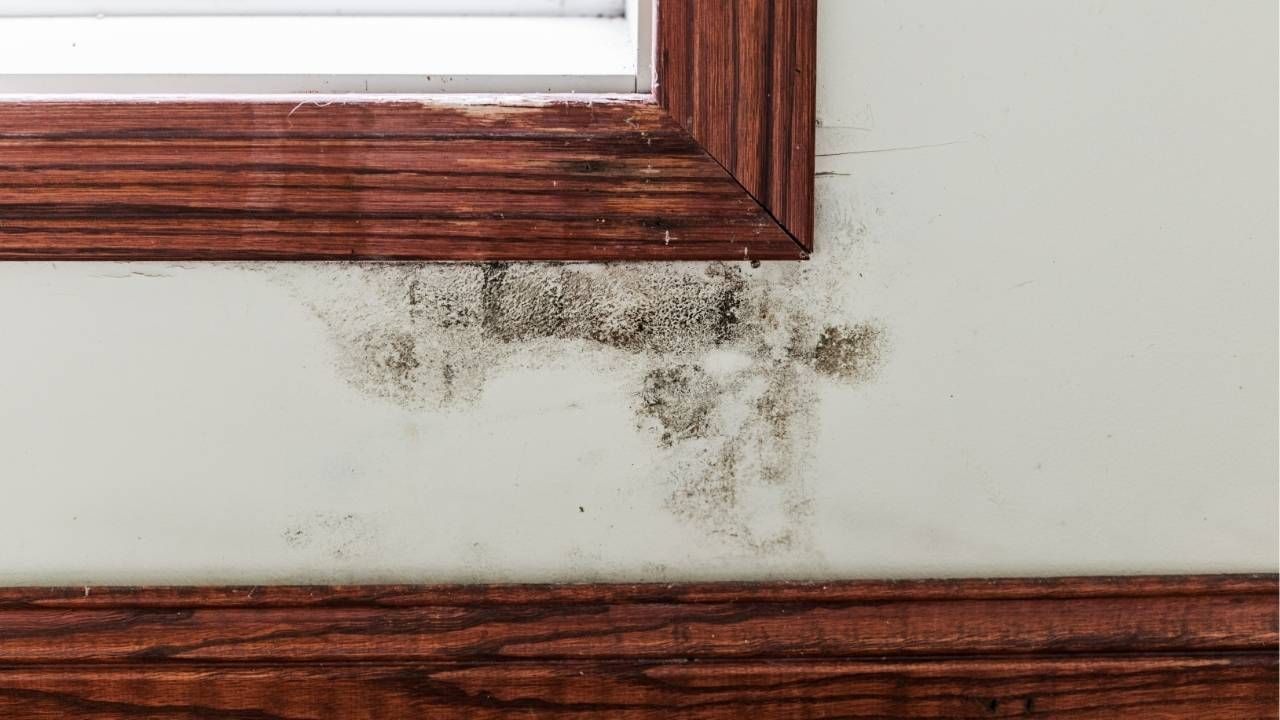
- Visible mold spots on walls, ceilings, or baseboards
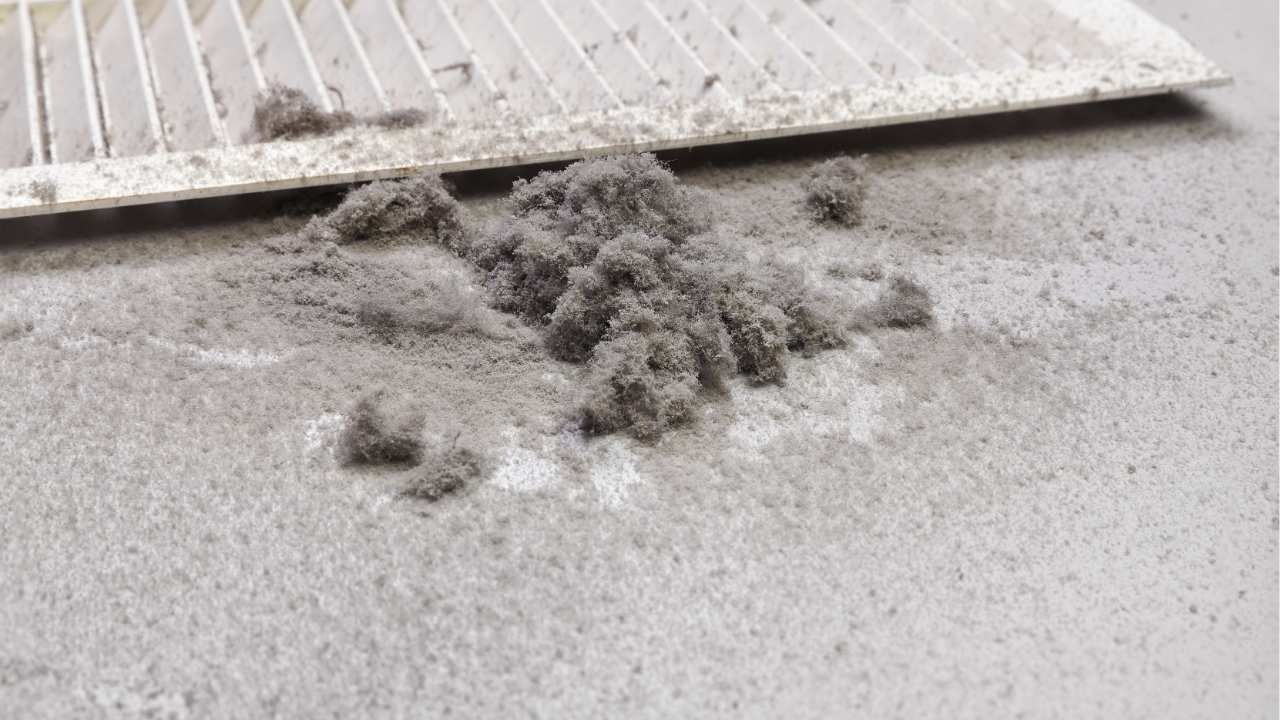
- Lint buildup around the dryer vent outlet
If you notice these symptoms regularly, it may indicate that the vent is clogged, disconnected, or venting moisture back into your home.
How Dryer Vent Issues Lead to Mold Growth
Mold thrives in environments where moisture, warmth, and organic material are present. Unfortunately, laundry rooms provide all three.
Here’s how the problem typically develops:
- Lint buildup restricts airflow in the dryer vent.
- Moist air cannot exit efficiently.
- Humidity accumulates in the laundry area.
- Moisture settles into drywall, wood, or insulation.
- Mold begins to grow in hidden areas.
In some cases, homeowners don’t realize mold has developed until they require professional mold removal in Kaua’i, Hi to address damage behind walls or ceilings.
Because mold spreads quickly, early detection is critical.
Quick Checks You Can Do at Home
Before calling a professional, there are a few simple checks you can perform to determine whether your dryer is contributing to moisture buildup.
Try these steps:
- Check the exterior vent outlet while the dryer is running. You should feel strong airflow.
- Inspect the vent hose behind the dryer for kinks, damage, or disconnections.
- Look for lint buildup around the vent opening outside your home.
- Monitor drying time. If loads take two cycles or more, airflow may be restricted.
These checks can help identify whether your dryer vent system needs cleaning, repair, or replacement.
When to Call a Professional
If moisture or mold has already appeared in your home, the problem may be more serious than a simple vent blockage. Mold can grow inside wall cavities, insulation, and duct systems where it isn’t immediately visible.
A qualified technician from the best mold remediation company can:
- Inspect areas where mold commonly hides
- Identify the source of excess moisture
- Safely remove contaminated materials
- Recommend ventilation improvements to prevent future issues
Addressing both the mold and the moisture source is essential to prevent the problem from returning.
Prevent Moisture and Mold Before It Starts
Regular maintenance is the simplest way to prevent dryer-related moisture issues.
A few smart habits include:
- Cleaning the lint trap after every load
- Scheduling routine dryer vent inspections
- Ensuring the vent exhausts directly outdoors
- Keeping the laundry area well ventilated
These small steps can significantly reduce the risk of mold growth and help your dryer operate more efficiently.
Final Thoughts
Your dryer may seem like an ordinary appliance, but when ventilation problems occur, it can quietly introduce excess moisture into your home. Catching the warning signs early, like longer drying times or musty odors can help you avoid serious mold damage.
If you suspect your dryer vent or indoor moisture levels are contributing to mold growth, it’s best to have the system inspected by professionals. Taking action early can prevent costly repairs later, so don’t hesitate to
book an appointment and get expert help before the problem spreads.