What to Do in the First 24 Hours After Water Damage to Stop Mold
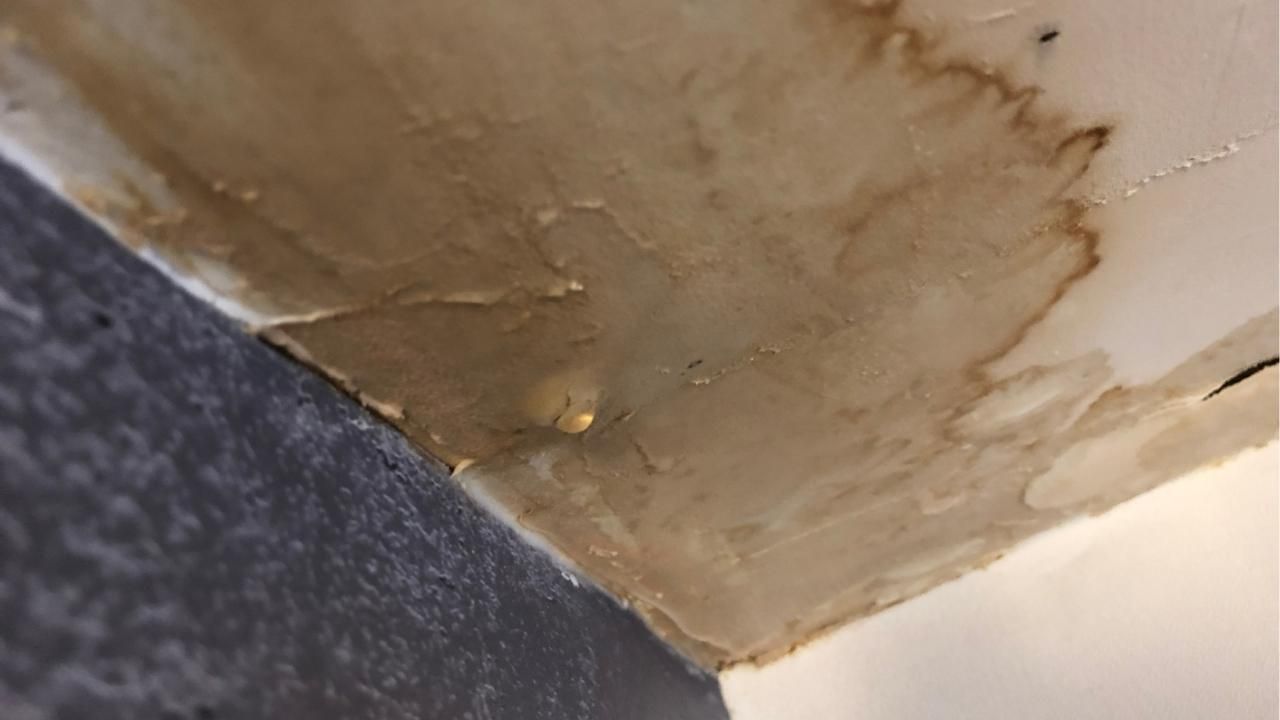
Water damage doesn’t wait. The clock starts ticking the moment moisture hits your floors, walls, or ceilings, and within 24 hours, mold can begin to grow. If you act fast and smart, you can stop a small disaster from turning into a major health and repair nightmare.
In this guide, you’ll learn exactly what to do in the first 24 hours after water damage, how to reduce the risk of mold growth, and when to call in professionals like a trusted water damage restoration Kaua’i, Hi company to handle the situation properly.
Step 1: Stop the Water and Assess the Damage
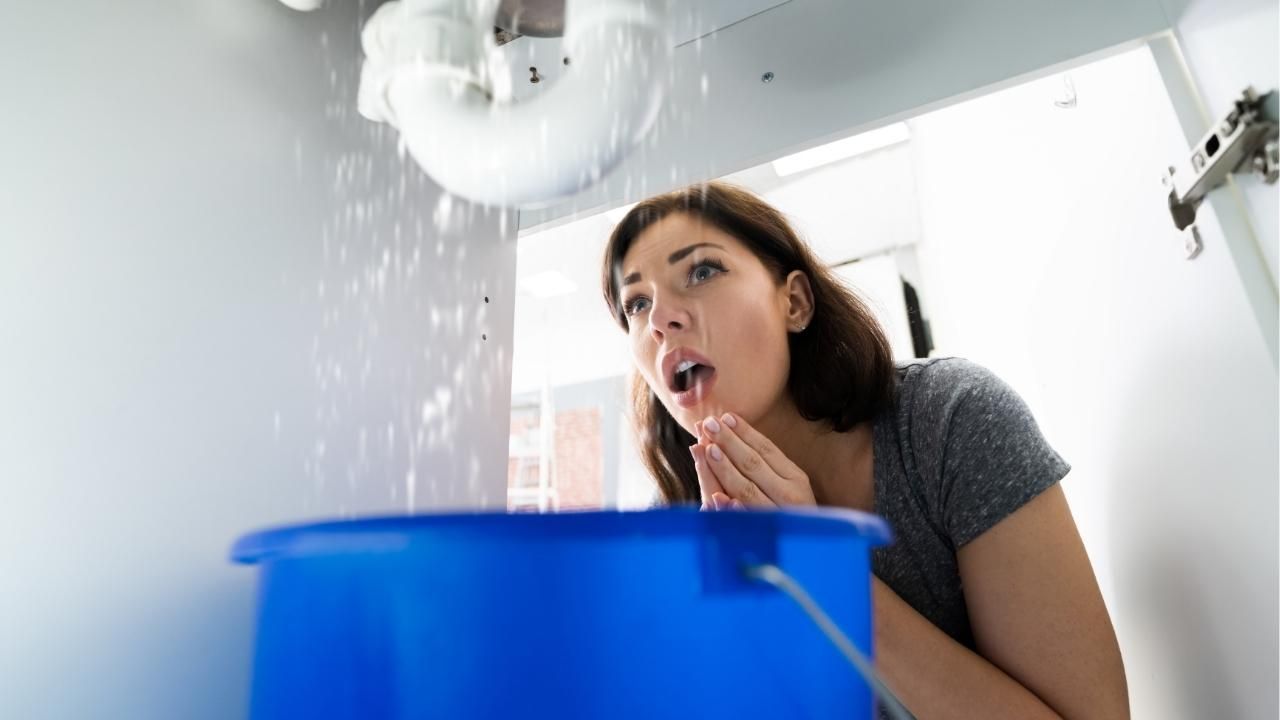
Before anything else, stop the source of water. That could mean shutting off the main water valve, turning off appliances, or temporarily patching a leak. If flooding is caused by storms, make sure it’s safe to enter the home before going inside.
Once the water source is under control:
- Turn off electricity in affected areas if it’s safe to do so
- Take photos and videos for insurance documentation
- Identify which areas are wet, including hidden spaces like behind baseboards
Time matters here. The longer moisture sits, the deeper it seeps into drywall, insulation, and subflooring. These materials trap water and become prime breeding grounds for mold.
Step 2: Remove Standing Water Immediately
Standing water is your biggest enemy in the first few hours. Use whatever tools you have available:
- Wet/dry vacuum
- Mop and buckets
- Towels and absorbent cloths
- A portable pump for larger areas
The goal is simple: remove as much visible water as possible before it has time to soak deeper into structural materials.
If the affected area is large or the water is contaminated (like from sewage backups), this is when you should consider professional help. Large-scale extraction requires commercial equipment that dries faster and more thoroughly than household tools.
Step 3: Start the Drying Process Aggressively
After visible water is removed, moisture still lingers in surfaces. This is where many homeowners make a mistake, they think the job is done. It’s not.
You need airflow and dehumidification immediately:
- Open windows if humidity outside is low
- Use fans to keep air circulating
- Run dehumidifiers continuously
- Remove wet rugs, cushions, and furniture
Pull back carpets if possible and check the padding underneath. In many cases, carpet padding must be removed and replaced.
This stage is critical for household mold prevention because mold spores only need moisture, warmth, and organic material to grow. You can’t eliminate spores completely, but you can remove the moisture they depend on.
Step 4: Remove and Dispose of Damaged Materials
Some materials cannot be saved, especially if they’ve been soaked for several hours. These often include:
- Insulation
- Ceiling tiles
- Particle board furniture
- Wet drywall
Cut out damaged drywall at least 12 inches above the visible water line. It may seem extreme, but water travels upward inside walls. Leaving damp materials in place almost guarantees mold growth within days.
If the water damage is extensive, a professional team trained in deep & general cleaning can sanitize and restore affected areas properly, reducing the risk of hidden contamination.
Step 5: Clean and Disinfect Surfaces
After drying and removing damaged materials, clean all hard surfaces with antimicrobial solutions. Focus on:
- Floors
- Baseboards
- Wood framing
- Concrete
Avoid simply spraying bleach everywhere. Bleach does not penetrate porous materials effectively and can sometimes make the situation worse by adding moisture.
Instead, use appropriate cleaning products designed for post-water damage sanitation. Thorough cleaning now prevents odors and microbial growth later.
A Real-World Example
A homeowner experienced a burst washing machine hose while away for eight hours. By the time they returned, water had spread across the laundry room and into adjacent hallways. Instead of waiting, they immediately shut off water, removed soaked baseboards, pulled up carpet padding, and ran multiple dehumidifiers overnight. Within 24 hours, they had most materials drying aggressively. Because they acted fast and removed compromised drywall early, mold never developed, saving them thousands in remediation costs.
When to Call Professionals
Call a restoration company if:
- Water has affected multiple rooms
- You suspect hidden moisture behind walls
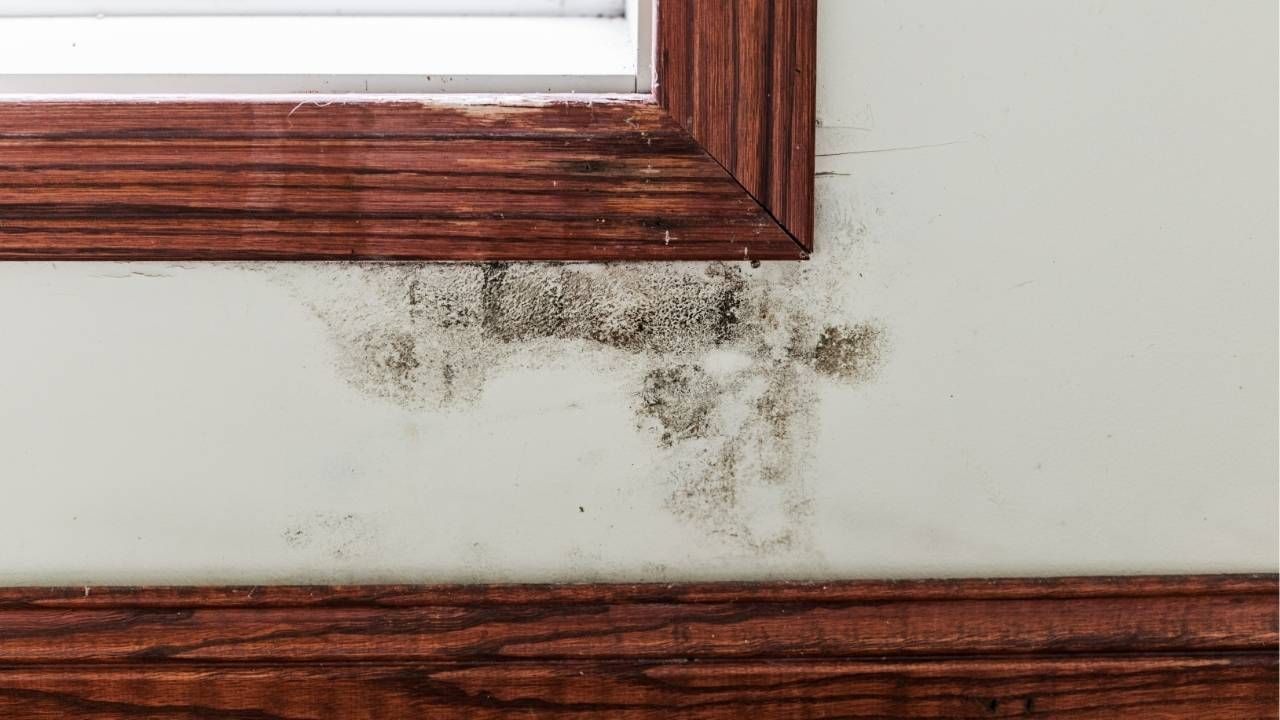
- There’s visible mold already forming
- The water is contaminated
Professionals use moisture meters and thermal imaging to detect water you can’t see. Fast intervention makes the difference between minor repairs and full-scale remediation.
Water damage is stressful, but it doesn’t have to spiral out of control. The first 24 hours are your window to act decisively, dry aggressively, and prevent mold before it starts. If you’re facing water damage right now, take action immediately and don’t hesitate to get in touch with experienced professionals who can restore your home safely and thoroughly.