How Fast Does Mold Grow After Water Damage?
Mold doesn’t wait around. Give it moisture, a little warmth, and a surface to cling to and it can start growing faster than most homeowners expect. After water damage, what looks like a minor issue today can quietly turn into a serious health and structural problem in just a couple of days.
In this guide, you’ll learn how quickly mold grows after water exposure, what factors speed it up, and what you can do right now to stop it before it spreads.
How Quickly Does Mold Start Growing?
Here’s the blunt truth: mold can begin growing within 24 to 48 hours after water damage occurs.
That means if you’ve had a leak, flood, or burst pipe and didn’t fully dry the area within two days, there’s already a strong chance mold has started forming, even if you can’t see it yet.
Early mold growth often hides in:
- Drywall and insulation
- Carpet padding
- Wooden structures
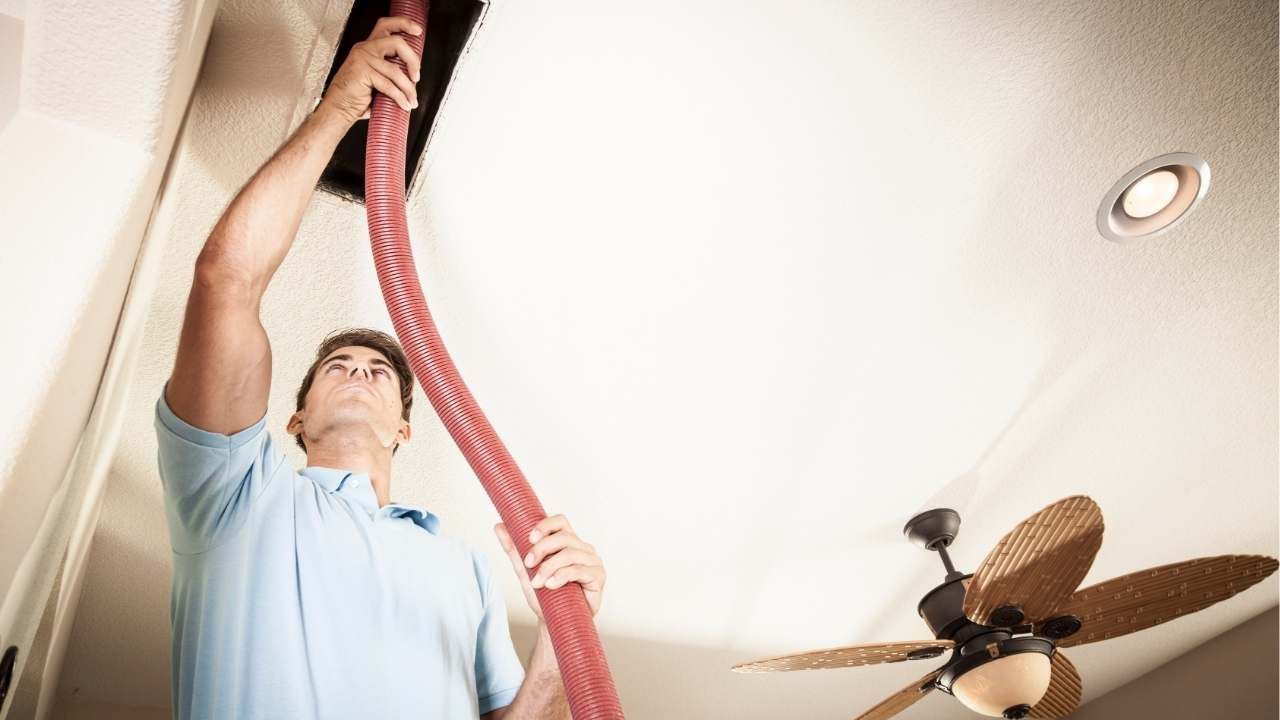
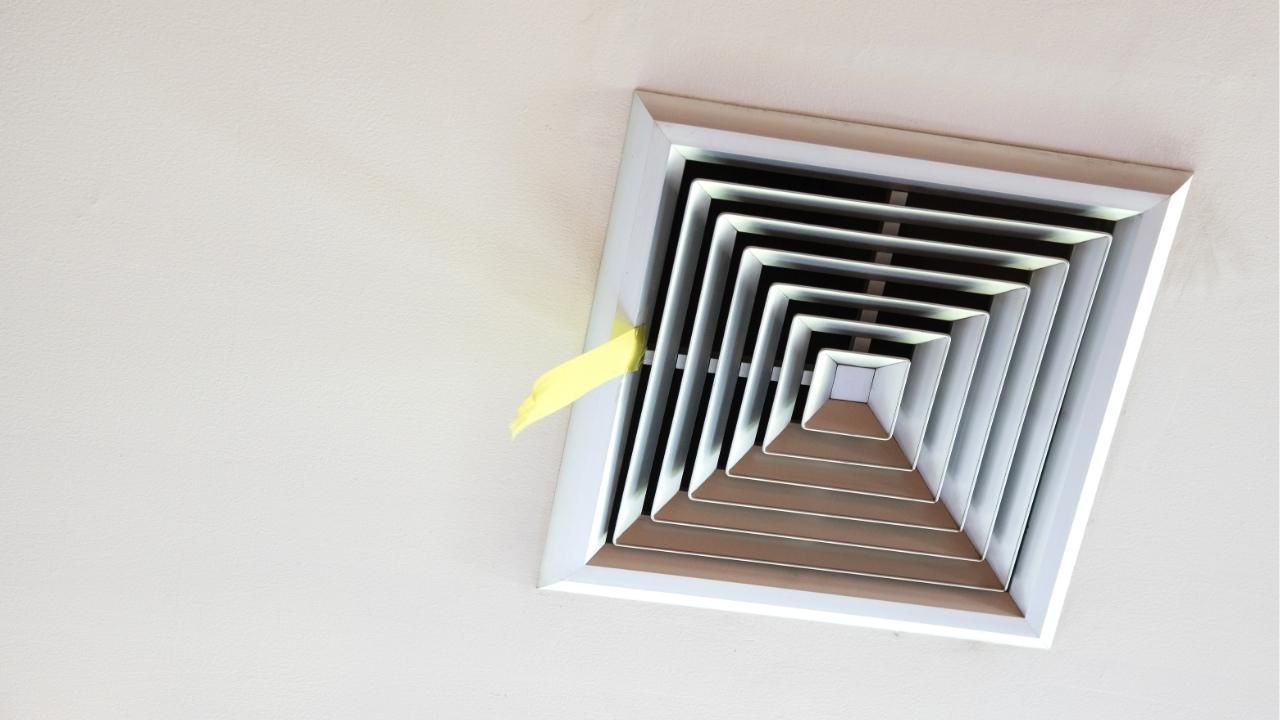
- HVAC systems
This is why homeowners dealing with water damage restoration Kaua’i, Hi situations are often advised to act immediately, not “when it’s convenient.”
What Makes Mold Grow Faster?
Not all water damage leads to instant mold, but certain conditions speed things up dramatically.
1. Moisture Level
The more water that’s left behind, the faster mold spreads. Standing water is the worst-case scenario, but even damp materials can trigger growth.
2. Temperature
Mold thrives in warm environments, typically between 60°F and 80°F. That’s basically most indoor conditions.
3. Organic Materials
Mold feeds on materials like:
- Wood
- Paper
- Fabric
- Drywall
If your home has these (and it does), mold has plenty to work with.
4. Poor Ventilation
Closed spaces with trapped humidity, like basements or bathrooms become breeding grounds fast.
And here’s where things get overlooked: many homeowners rely on property reservation services to manage homes remotely, but delayed response times can unknowingly allow mold to take hold before anyone notices.
Signs Mold Is Already Growing
You don’t always see mold right away. In fact, by the time it’s visible, it’s already established.
Watch for these early warning signs:
- Musty or earthy smell
- Warped walls or bubbling paint
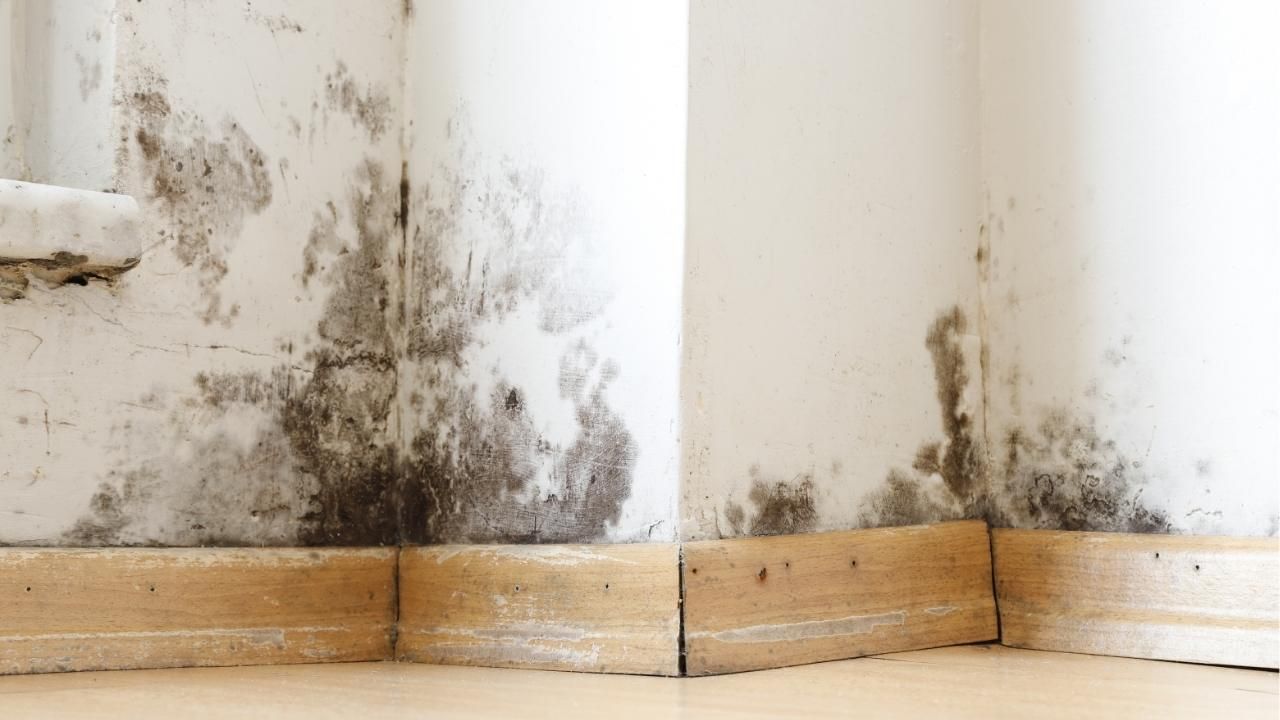
- Dark spots on ceilings or corners
- Increased allergy symptoms indoors
If you notice even one of these after water damage, don’t wait. Mold doesn’t stay in one place, it spreads.
Why Waiting Is a Costly Mistake
Let’s be clear: mold problems don’t fix themselves.
Within days, small patches can turn into widespread contamination. Within weeks, it can:
- Damage structural materials
- Lower indoor air quality
- Trigger respiratory issues
- Increase repair costs significantly
What could’ve been a quick cleanup becomes a full remediation project.
That’s why experienced certified remediation specialists focus on immediate drying, containment, and removal, not just surface cleaning.
Case Study: A Small Leak That Turned Serious
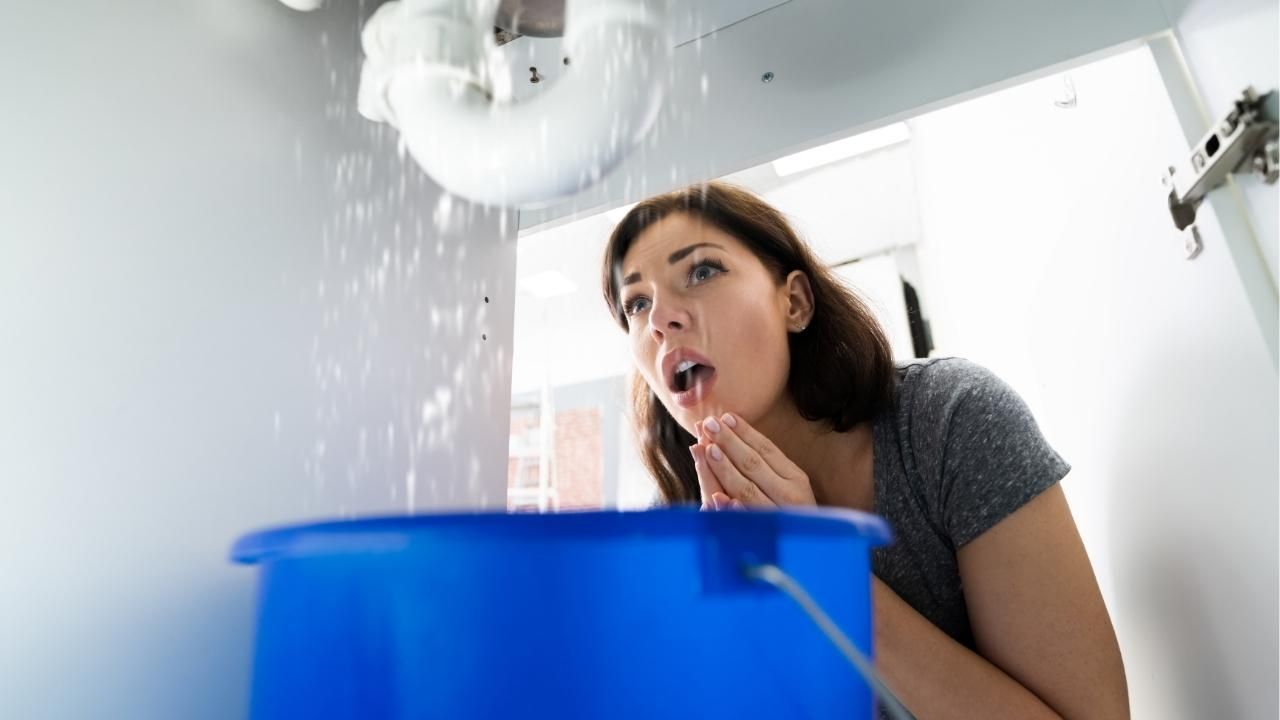
A homeowner noticed a slow leak under their kitchen sink but didn’t think much of it. It seemed minor, just a bit of dampness on the cabinet floor. They planned to fix it over the weekend.
Three days later, a faint musty smell started to develop. By the time they opened the cabinet again, black mold had already spread along the back panel and into the adjacent wall. What started as a simple plumbing fix turned into a multi-thousand-dollar remediation job involving drywall removal, air filtration, and professional treatment.
The lesson? Mold doesn’t care how small the problem looks at first.
How to Stop Mold Before It Spreads
Speed is everything. If water damage happens, your goal is simple: dry everything within 24–48 hours.
Here’s what to do immediately:
- Remove standing water
- Use fans and dehumidifiers
- Open windows for airflow
- Remove wet carpets or materials
- Inspect hidden areas (behind walls, under floors)
If drying isn’t complete within that window, it’s time to call professionals.
Take Action Before Mold Takes Over
Water damage is already stressful, but mold makes it worse, fast. The difference between a quick fix and a major repair often comes down to how quickly you respond.
If you’ve had recent water exposure, don’t guess, act. The sooner you deal with it, the cheaper and safer it is.
Contact a professional today and stop mold before it spreads.