Why Is Mold Growing in My House? A Breakdown of Common Culprits
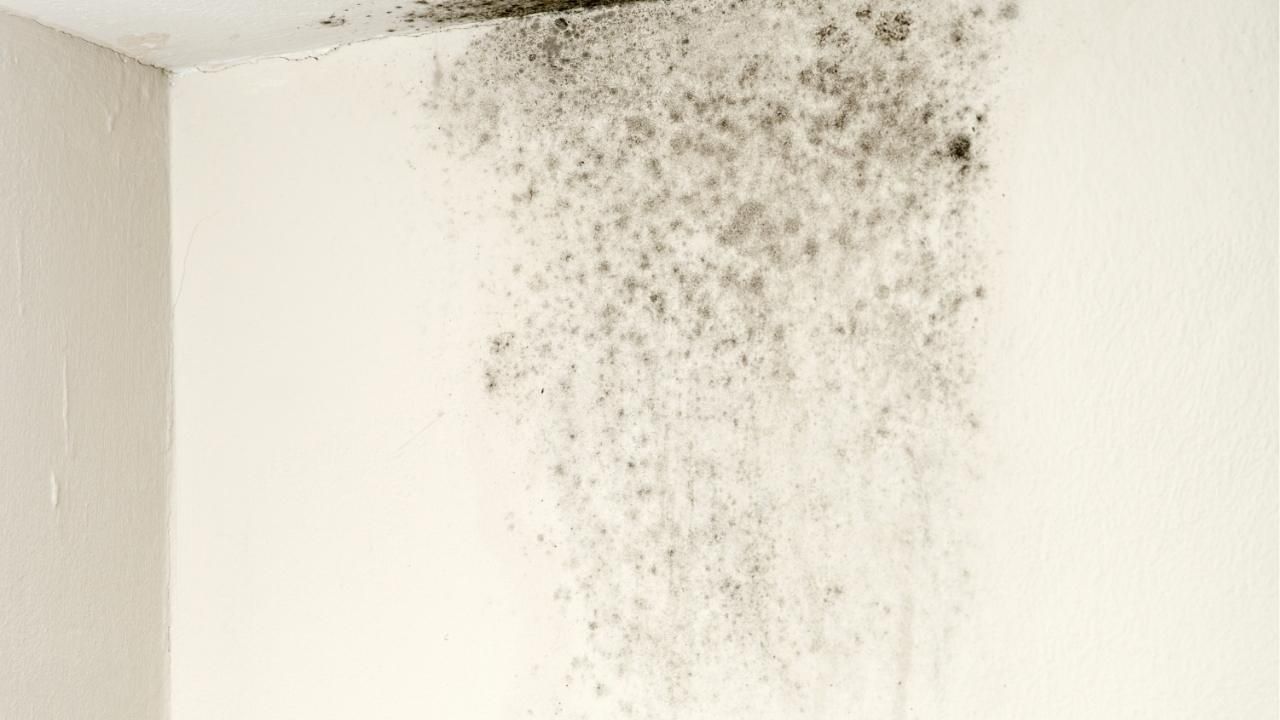
You walk into a room and catch that musty smell. Maybe you spot dark patches creeping along the ceiling or spreading behind the baseboards. Mold doesn’t show up by accident and it never shows up without a reason.
In this article, we’ll break down why mold grows inside homes, what conditions feed it, and how to stop it before it turns into a bigger (and more expensive) problem. If you live in a humid climate, especially somewhere like Kauai, understanding these triggers is critical.
1. Hidden Water Damage You Can’t See
The number one reason mold grows indoors is moisture. Not just obvious flooding, but small, slow leaks that go unnoticed for weeks or months.
Here’s what often causes hidden moisture:
- Leaking pipes behind walls
- Roof leaks after heavy rain
- Faulty window seals
- Overflowing gutters
- Appliance line leaks (dishwashers, washing machines)
In coastal areas, homeowners often call for Kaua’i, Hi water damage repair after storms, but by the time stains appear, mold may already be forming behind drywall.
Even minor water intrusion creates the perfect environment: darkness, warmth, and trapped humidity. Mold spores are always in the air. Add moisture, and they settle in fast.
The key lesson? If water touches building materials and isn’t dried within 24–48 hours, you’re rolling the dice.
2. High Humidity and Poor Ventilation
Mold doesn’t need standing water. It thrives in high humidity alone.
Bathrooms without exhaust fans. Kitchens filled with steam. Laundry rooms that stay damp. All of these spaces trap moisture in the air. When humidity levels stay above 60%, mold growth becomes likely.
Common ventilation mistakes include:
- Running the shower without the fan
- Not using range hoods while cooking
- Keeping windows shut year-round
- Skipping routine air duct cleaning
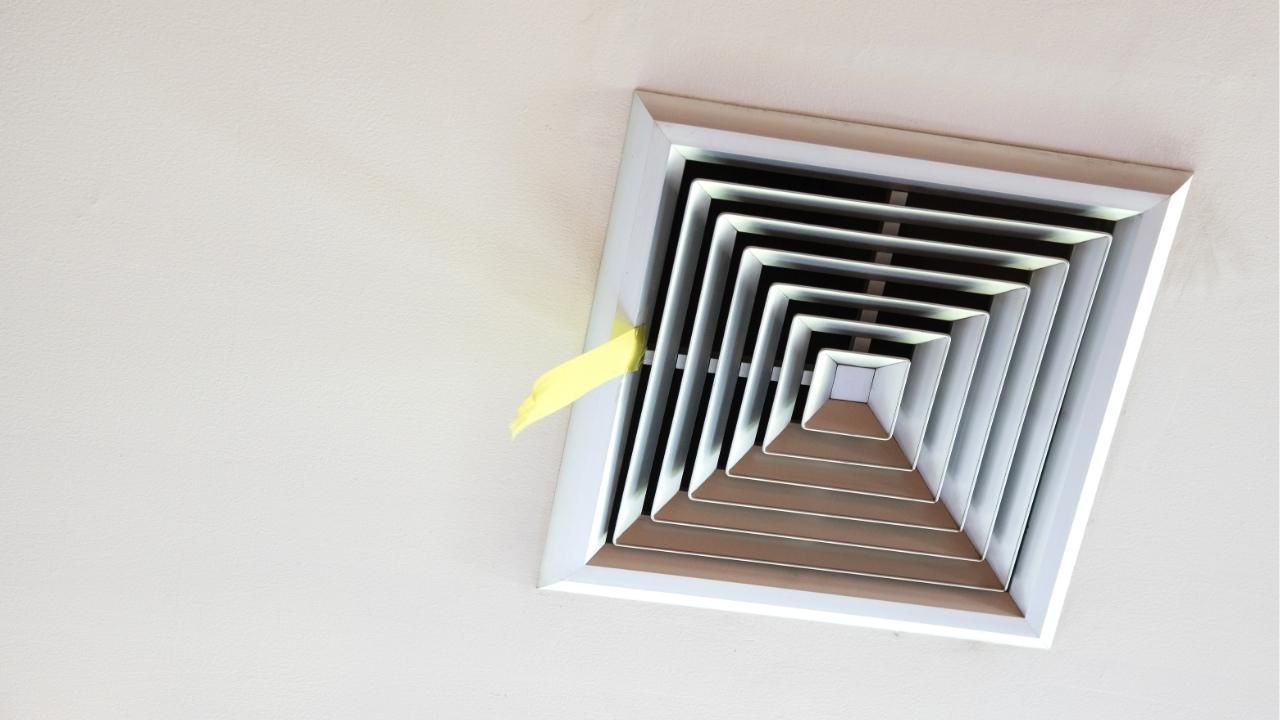
Dirty ductwork can circulate humid air and even spread spores throughout your home. Over time, this creates multiple problem areas instead of one isolated spot.
If your home feels sticky or smells musty even when it’s clean, humidity may be the silent culprit.
3. Condensation and Temperature Swings
Ever notice water droplets on windows or walls? That’s condensation, and it’s a mold trigger.
When warm indoor air hits cooler surfaces, moisture forms. This commonly happens on:
- Window panes
- Exterior walls
- Uninsulated pipes
- HVAC vents
Over time, repeated condensation soaks into drywall and framing.
Homes with poor insulation or aging HVAC systems are especially vulnerable. In tropical climates, the constant battle between air conditioning and outdoor humidity creates steady moisture buildup.
If you see peeling paint, bubbling drywall, or warped baseboards, don’t ignore it. Those cosmetic issues often hide active mold growth underneath.
4. Delayed or Incomplete Cleanup
Sometimes mold grows because cleanup wasn’t thorough enough.
After flooding or leaks, some homeowners dry the surface but forget about what’s underneath; carpet padding, subflooring, insulation. Moisture trapped in those materials feeds mold long after the visible area looks dry.
This is where certified remediation specialists make a difference. They use moisture meters, thermal imaging, and containment systems to locate hidden dampness and prevent cross-contamination.
Case Study: A Small Leak, A Big Problem
A homeowner noticed a faint stain on the living room ceiling after heavy rain. It didn’t seem urgent. Months later, the drywall began to sag. When contractors opened the ceiling, they found widespread mold growth along the rafters and insulation. The initial roof repair cost a few hundred dollars. The mold remediation and reconstruction? Nearly $18,000.
The takeaway is simple: small moisture problems escalate fast.
How to Reduce Your Risk Starting Today
You don’t have to wait for visible mold to take action. Here’s what you can do right now:
- Keep indoor humidity between 30% and 50%
- Use exhaust fans during showers and cooking
- Fix leaks immediately, even small ones
- Inspect your attic and crawl spaces twice a year
- Schedule routine HVAC maintenance
And if you suspect mold, don’t rely on bleach alone. Surface cleaning doesn’t fix moisture at the source.
Mold doesn’t grow randomly. It grows where moisture lingers and airflow fails. If you’ve noticed musty smells, discoloration, or recent water damage, act quickly before the problem spreads.
Don’t wait for a small issue to turn into structural damage,
schedule a professional inspection
today and take control of your indoor air quality.