How Plumbing Leaks Create the Perfect Conditions for Mold
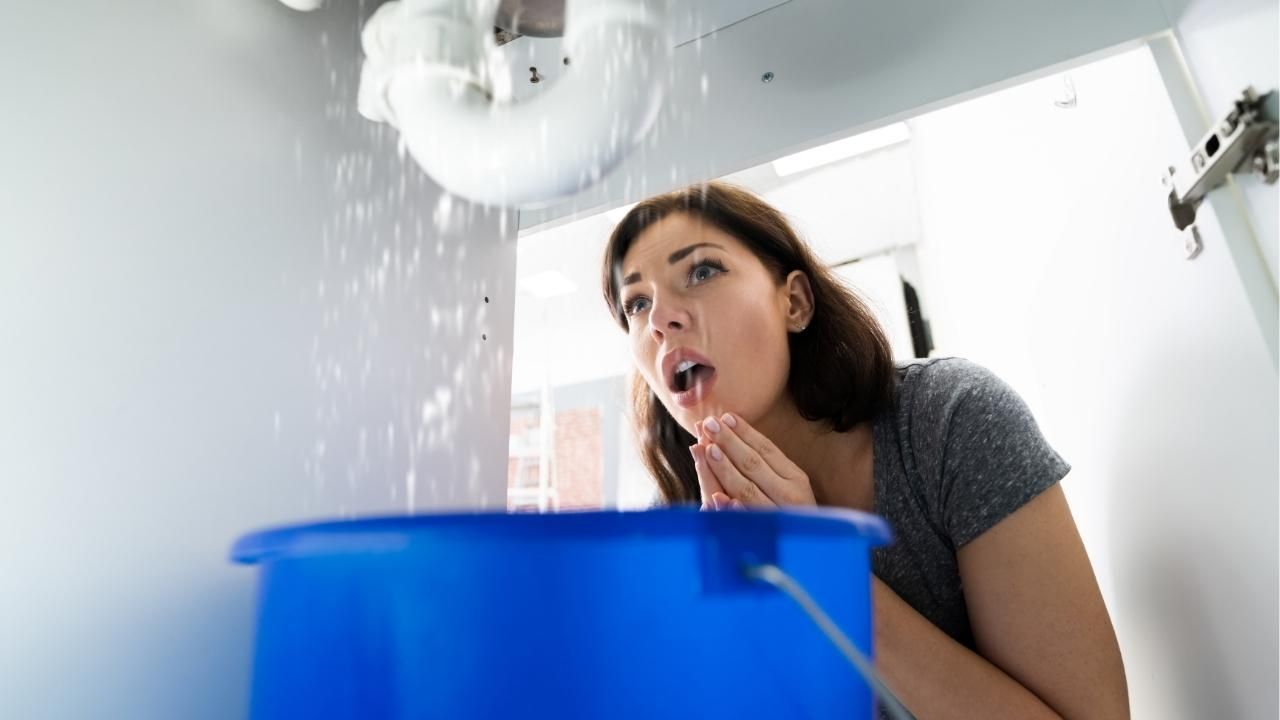
A small plumbing leak might not look like a big deal at first. No flooding, no dramatic damage, just a slow drip behind a wall or under a sink. That’s exactly why leaks are so dangerous: they quietly create the perfect environment for mold to thrive.
In this article, you’ll learn how hidden plumbing leaks trigger mold growth, why the problem escalates fast in humid climates, and what homeowners should do before minor moisture turns into a serious health and property issue.
Why Plumbing Leaks Are a Mold Magnet
Mold needs three things to grow: moisture, warmth, and organic material. Plumbing leaks supply all three without much effort. When water seeps into drywall, wood framing, insulation, or flooring, those materials stay damp long after the leak starts.
In humid areas like Kauaʻi, moisture evaporates slowly, which accelerates the problem. That’s why calls for mold removal in Kaua’i, Hi are often traced back to unnoticed plumbing issues rather than major water disasters.
Leaks under sinks, behind toilets, inside walls, and beneath slab foundations are especially risky. They remain out of sight, allowing mold colonies to grow undisturbed for weeks or months.
How Mold Spreads Before You Notice It
Mold doesn’t wait for visible puddles. Once moisture penetrates building materials, mold spores activate and spread through porous surfaces. From there, spores travel easily through airflow, HVAC systems, and shared wall cavities.
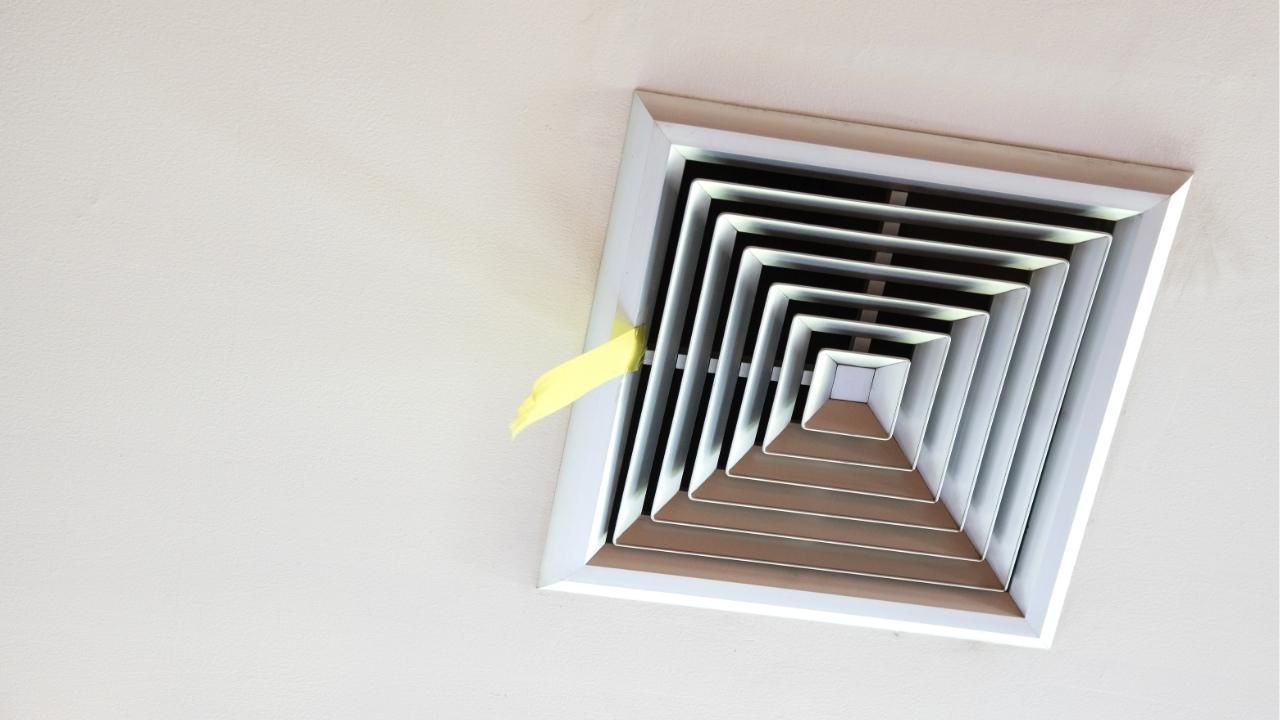
This is where services like air duct cleaning often become part of the remediation process. Mold spores can settle inside ductwork and recirculate throughout the home, causing musty odors, allergy flare-ups, and respiratory irritation even in rooms far from the original leak.
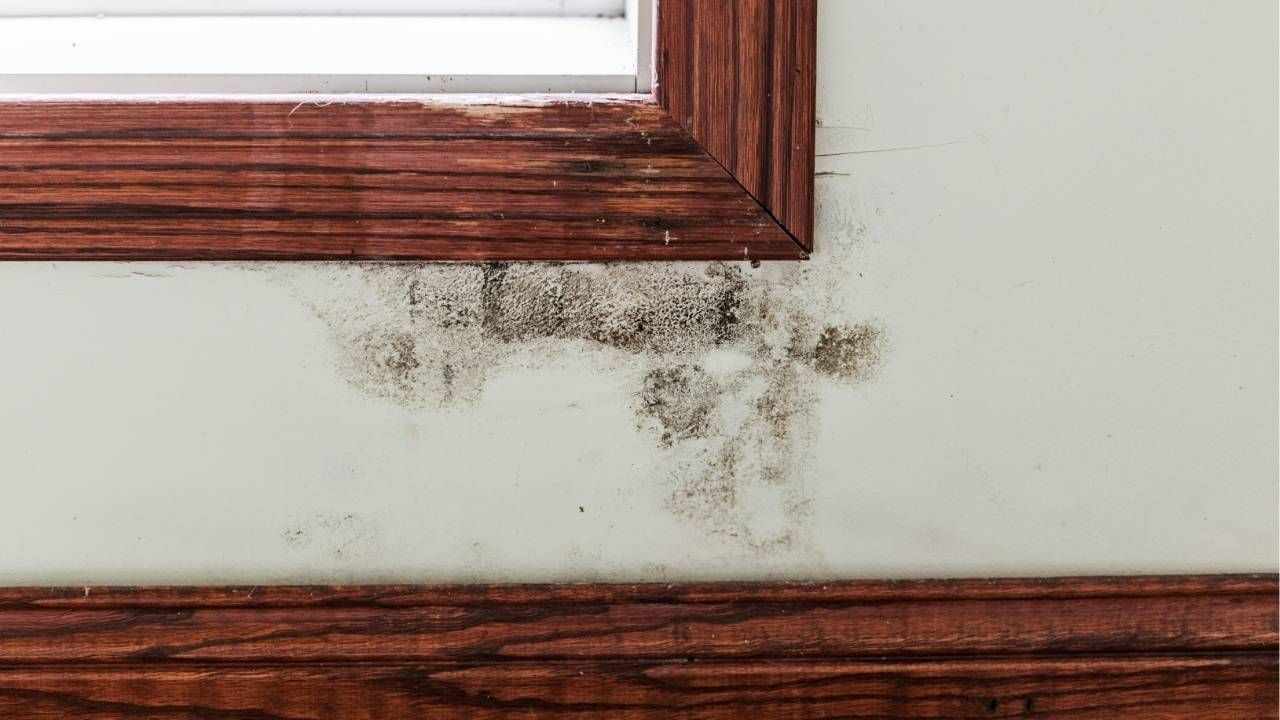
By the time you see discoloration on walls or ceilings, the mold problem is usually well established.
Common Leak Locations That Trigger Mold
Certain plumbing areas are repeat offenders when it comes to mold growth:
- Under sinks – Loose fittings and aging seals drip directly onto cabinetry and subflooring
- Behind toilets – Failed wax rings or supply line leaks stay hidden until damage is severe
- Inside walls – Pipe corrosion or pinhole leaks slowly soak drywall and studs
- Water heaters – Minor seepage often goes unnoticed until mold spreads nearby
- Slab leaks – Moisture wicks upward through flooring materials
Because these leaks don’t always produce obvious water damage, homeowners often misdiagnose mold symptoms as humidity or ventilation issues.
Health and Structural Risks You Shouldn’t Ignore
Mold exposure can cause more than unpleasant smells. Prolonged exposure may trigger headaches, sinus congestion, coughing, skin irritation, and asthma symptoms, especially in children and older adults.
Structurally, moisture weakens wood framing, rots subfloors, and compromises drywall. Left unchecked, repairs can escalate from a simple pipe fix to full wall removal and rebuilding.
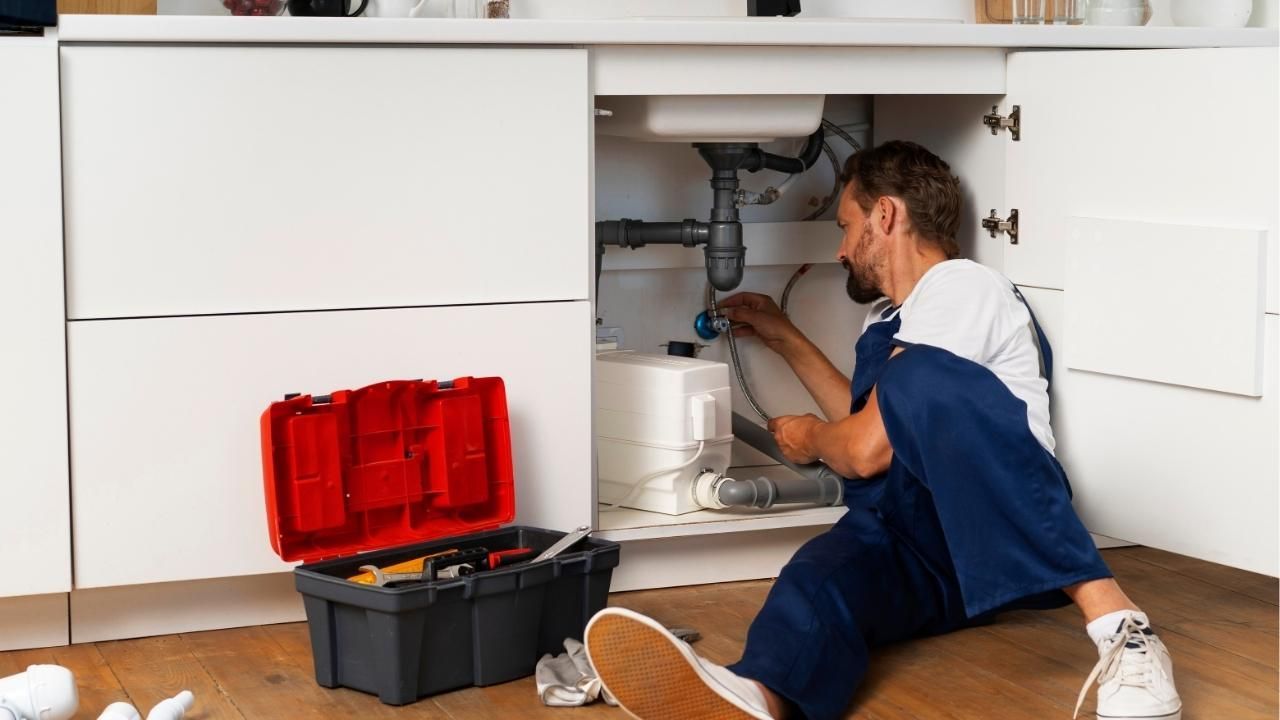
That’s why it’s critical to involve a mold cleanup expert who can identify the moisture source, assess contamination levels, and ensure the problem is handled at its root, not just on the surface.
Case Study: A “Minor” Leak That Wasn’t
A homeowner noticed a faint musty odor in their hallway but saw no visible damage. Months later, a plumber discovered a slow leak inside the wall behind a bathroom sink. The moisture had soaked insulation and drywall, allowing mold to spread into the adjacent bedroom. What could have been a low-cost plumbing repair turned into a full remediation job involving wall removal, duct cleaning, and structural drying. Early detection would have saved thousands in repair costs and weeks of disruption.
How to Stop Mold Before It Starts
Prevention comes down to awareness and fast action:
- Inspect plumbing connections regularly
- Don’t ignore unexplained odors or humidity
- Address leaks immediately, even if they seem minor
- Schedule moisture inspections if you suspect hidden damage
If you’ve noticed persistent dampness, odors, or unexplained health symptoms, book an appointment now, fixing a leak early is far cheaper than dealing with full-scale mold remediation later.