10 Signs You May Need Mold Remediation in Your Home
Mold has a sneaky way of making itself comfortable before you even know it is there. One day, your home feels normal. Next, you notice a musty smell, strange stains, or allergy symptoms that never seem to go away.
In this guide, you will learn the most common signs that mold may be growing inside your home, why it should not be ignored, and when it may be time to bring in professional help.
1. A Musty Smell That Will Not Go Away
A persistent musty odor is one of the biggest warning signs of hidden mold. Even when you cannot see anything on the walls, mold may be growing behind drywall, under flooring, inside cabinets, or near damp insulation.
This smell is often stronger in bathrooms, laundry rooms, kitchens, closets, and basements. In humid island environments, moisture can build quickly, which is why homeowners may search for services like mold removal in Kaua’i, Hi when that odor keeps coming back after cleaning.
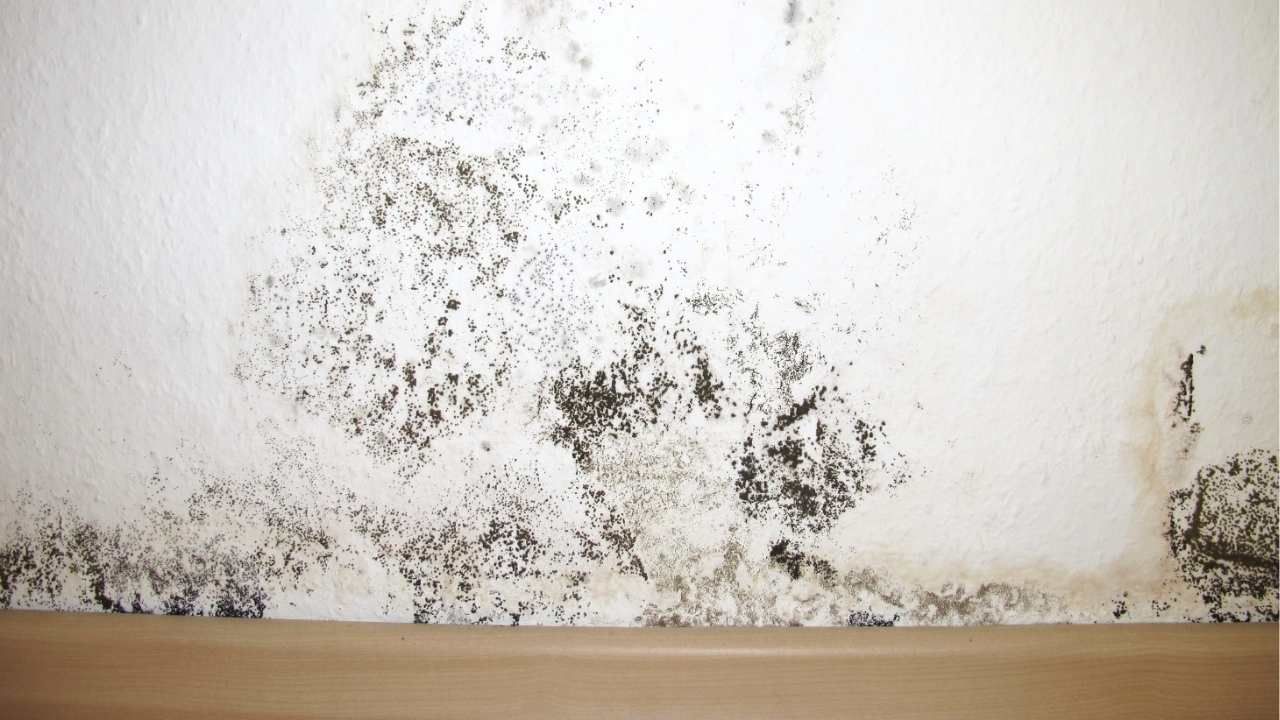
2. Dark Spots on Walls, Ceilings, or Floors
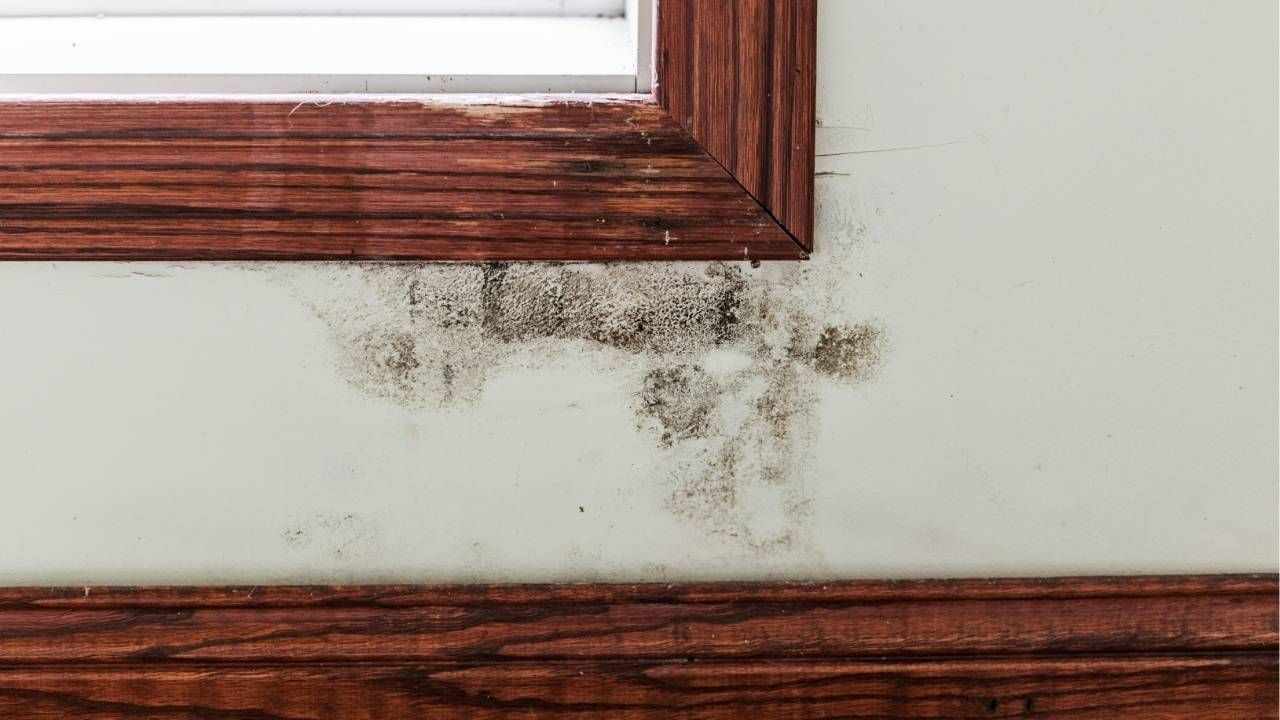
Mold can appear as black, green, brown, gray, or even white patches. It may look fuzzy, slimy, powdery, or stained into the surface.
Pay close attention to:
- Bathroom ceilings
- Window frames
- Drywall near plumbing
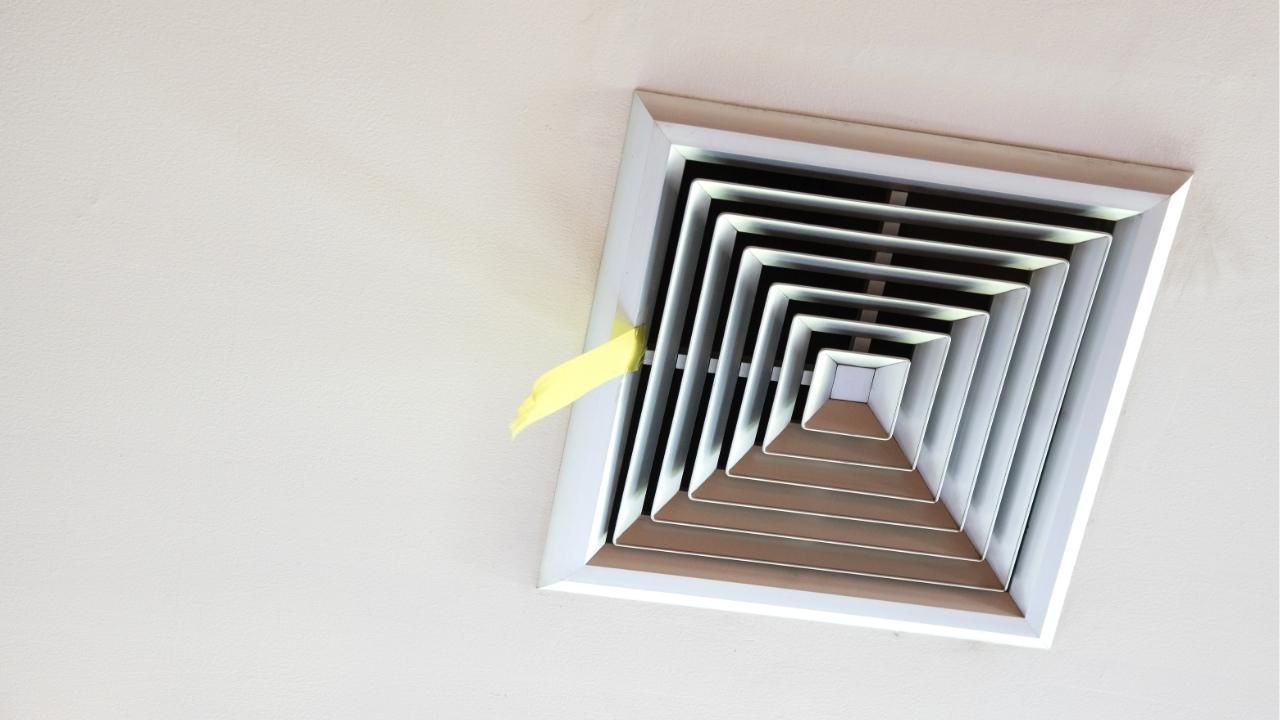
- Areas around air vents
- Flooring near leaks
Small spots can spread if the moisture source is not fixed.
3. Allergy Symptoms That Get Worse Indoors
Mold exposure can trigger sneezing, itchy eyes, coughing, headaches, congestion, and throat irritation. If symptoms improve when you leave home and return when you come back, your indoor air may be part of the problem.
This does not always mean mold is the only cause, but it is a sign worth taking seriously.
4. Recent Water Damage
Leaks, roof damage, broken pipes, overflowing toilets, or flooding can create the perfect environment for mold. Mold can begin growing within a short time when moisture remains trapped.
After water damage, drying the surface is not always enough. Moisture can stay hidden behind walls, under cabinets, or beneath flooring.
5. Condensation Around Windows or Vents
If you often see condensation on windows, walls, or HVAC vents, your home may have excess humidity. That moisture can feed mold growth over time.
Poor airflow makes the problem worse, especially in closed rooms or spaces with limited ventilation.
6. Your HVAC System Smells Dirty or Musty
When air ducts contain dust, moisture, or organic debris, odors can spread through the house every time the system runs. In some cases, homeowners look into Kaua'i air duct cleaning because the smell seems to come from vents rather than one room.
A dirty or damp HVAC system can move mold spores through living spaces, making the issue feel bigger than one affected area.
7. Peeling Paint or Bubbling Wallpaper
Paint that bubbles, cracks, or peels may point to moisture trapped behind the surface. Wallpaper that lifts or feels soft can also signal hidden dampness.
Mold often follows moisture. So when walls start changing shape or texture, do not just repaint over them. Find the cause first.
8. Soft Drywall or Warped Flooring
Mold often grows where water has weakened building materials. Soft drywall, sagging ceilings, warped wood, or lifting laminate flooring may indicate long-term moisture exposure.
These areas should be inspected before the damage spreads further.
9. Repeated Cleaning Does Not Solve the Problem
If the same stain or odor returns after cleaning, surface treatment is not enough. Mold needs moisture to survive. Unless the water source is fixed, the problem will keep coming back.
That is where proper mold cleanup matters. It is not just about wiping away visible growth. It includes identifying the source, containing affected areas, removing contaminated materials when needed, and improving conditions so mold is less likely to return.
10. You Feel Uneasy About What You Cannot See
Sometimes the biggest clue is a pattern. A room smells off. Someone keeps getting sick. A wall feels damp. A past leak was never fully checked.
When several small signs show up together, it is smarter to investigate early than wait for major damage.
Short Case Study: A Small Leak Became a Bigger Issue
A homeowner noticed a faint musty smell in a guest bedroom but could not find visible mold. A few weeks later, the wall near the closet started to discolor. After an inspection, the source turned out to be a slow roof leak that had allowed moisture to collect behind the drywall. The visible stain was only part of the problem. Once the damaged material was removed and the leak was repaired, the odor disappeared and the room felt normal again. The lesson was simple: mold problems are often bigger behind the surface than they appear from the outside.
What to Do Next
Mold is not something to ignore, especially when moisture, odors, stains, or health symptoms are involved. The sooner you address it, the easier it is to protect your home, indoor air, and peace of mind.
If you notice any of these warning signs, schedule a professional inspection and take action before a small moisture issue turns into a costly repair.
Reach out to a trusted local remediation specialist to inspect your home and recommend the safest next step.