Why Mold Grows Faster in Humid Coastal Areas Like Kauaʻi
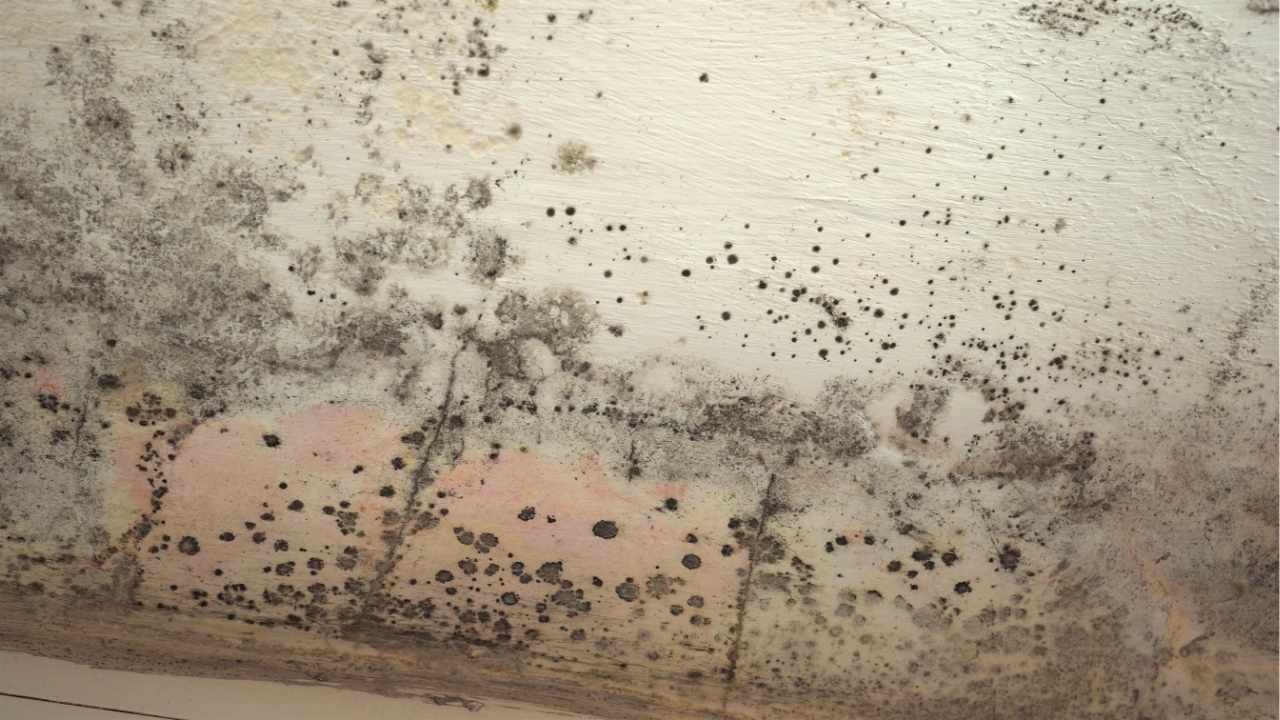
Mold does not need much encouragement to grow. Give it moisture, warmth, and an organic surface, and it can spread faster than most homeowners expect. In humid coastal areas like Kauaʻi, those conditions are often present almost year-round.
In this article, you’ll learn why mold grows so quickly in coastal homes, which areas are most vulnerable, and what homeowners can do to reduce the risk before small mold patches become expensive problems.
Why Coastal Humidity Feeds Mold Growth
Kauaʻi’s natural beauty comes with a tradeoff: moisture is everywhere. Ocean air, tropical rain, damp trade winds, and warm temperatures create the kind of environment mold loves.
Mold spores are always present in the air, both indoors and outdoors. The problem starts when those spores land on a damp surface and stay wet long enough to grow. In coastal homes, that surface might be drywall, wood trim, ceiling material, carpeting, furniture, or even dust sitting on window frames.
Homes near the ocean also deal with salty air, which can speed up wear on building materials. Once paint, caulking, siding, or roofing begins to fail, moisture can sneak into places it does not belong. That is why homeowners who need Kaua’i, Hi water damage repair should act quickly instead of waiting for visible mold to appear.
Common Mold Hot Spots in Kauaʻi Homes
Mold usually starts in quiet places. It grows where air does not move well and moisture lingers.
The most common trouble spots include:
- Bathrooms with weak ventilation
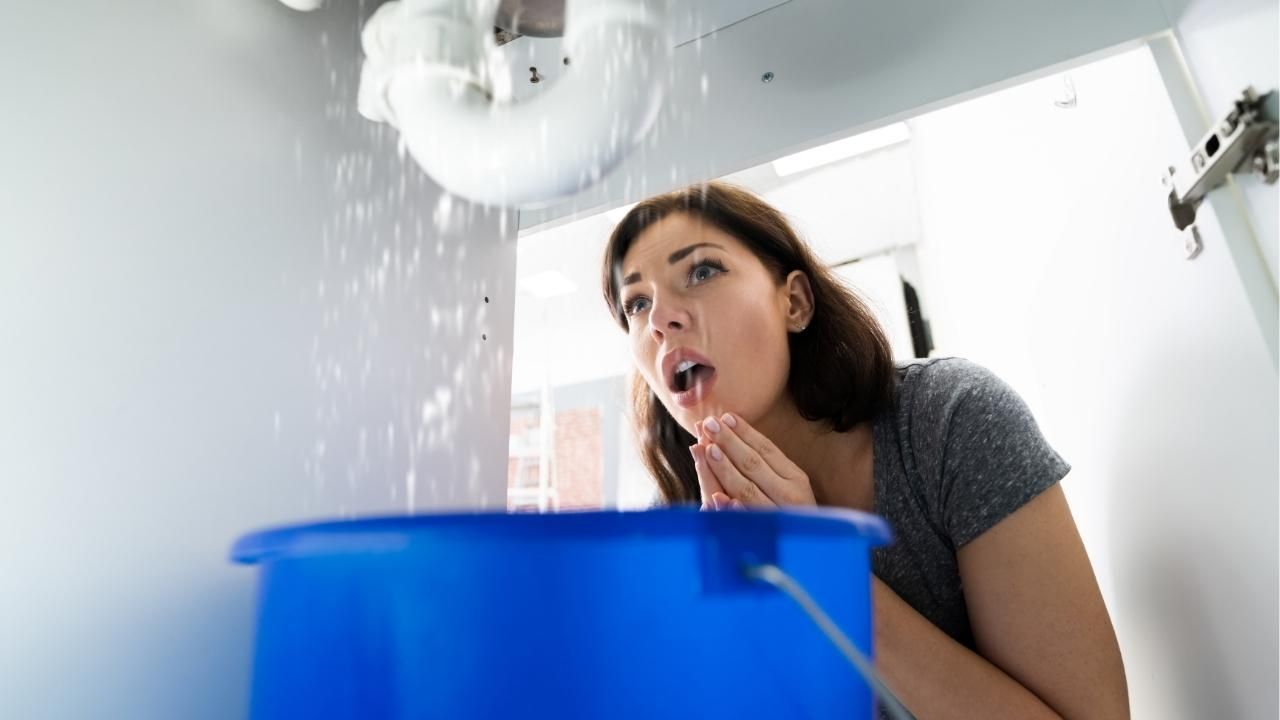
- Kitchens with plumbing leaks
- Closets against exterior walls
- Laundry rooms
- Attics and crawl spaces
- Window sills and sliding door tracks
- Exterior siding and shaded walls
- Areas around roof leaks or old water stains
Outdoor mold is also a serious concern in humid coastal climates. Shaded lanais, fences, decks, roof edges, and siding can develop dark staining or mildew buildup faster than expected. Regular cleaning and Kaua'i exterior mold & mildew removal can help protect curb appeal and reduce the chance of moisture-related damage spreading indoors.
Why Mold Spreads Faster After Water Damage
A small leak may not look urgent at first. But in a warm, humid climate, trapped moisture can turn into a mold problem within a short time. Wet drywall, soaked insulation, and damp flooring can hold moisture behind the surface, even when the room looks dry.
This is where many homeowners get caught off guard. They wipe up visible water, run a fan, and assume the problem is solved. But if moisture remains inside walls or under flooring, mold can continue growing out of sight.
That hidden growth can lead to:
- Musty odors
- Allergy-like symptoms
- Stained walls or ceilings
- Peeling paint
- Soft or warped materials
- Recurring mold after cleaning
The safest approach is to treat water damage as a warning sign, not just a cleanup chore.
How Homeowners Can Reduce Mold Risk
You cannot control Kauaʻi’s climate, but you can control your home’s moisture levels. Prevention is much easier than full mold remediation.
Start with these practical steps:
- Use bathroom and kitchen exhaust fans daily
- Keep indoor humidity as low as reasonably possible
- Fix plumbing leaks right away
- Clean and inspect gutters often
- Check around windows and doors after heavy rain
- Improve airflow in closets and storage areas
- Remove wet materials that cannot dry properly
- Schedule inspections after major leaks or flooding
Also, avoid painting over mold. That only hides the issue. Mold must be cleaned, removed, and the moisture source must be fixed first.
Short Case Study: A Small Leak That Became a Bigger Problem
A Kauaʻi homeowner noticed a faint musty smell in a guest bedroom after several days of heavy rain. There was no obvious leak, so they ignored it for a few weeks. Later, a dark stain appeared near the baseboard. An inspection found moisture behind the wall from a small exterior crack near a window frame. Because the area stayed damp, mold had spread into the drywall and trim. The repair became more expensive than it needed to be. Had the homeowner checked the odor early, the damage could have been limited to a simple moisture repair and targeted cleanup.
Final Thoughts
Mold grows faster in humid coastal areas because the environment gives it exactly what it needs: warmth, moisture, and plenty of surfaces to feed on. In a place like Kauaʻi, homeowners need to be proactive, especially after leaks, storms, or long periods of damp weather.
If you notice musty smells, stains, or recurring mildew, contact the best mold remediation company before the problem spreads deeper into your home.
Protect your home now by scheduling a mold and moisture inspection before minor damage turns into a costly repair.