What Structural Drying Actually Means After Water Damage
Water damage can feel like a fast-moving disaster, especially when floors are soaked, walls feel damp, and the air suddenly smells musty. But the real problem is not always the water you can see. It is the moisture hiding inside materials, under surfaces, and deep within the structure of the building.
In this article, you will learn what structural drying means, why it matters after water damage, and how proper drying helps protect your home from mold, odor, and long-term repairs.
Structural Drying Is More Than Removing Standing Water
Many homeowners think cleanup is finished once puddles are gone and the floor looks dry. That is a dangerous assumption. After a leak, flood, storm, or appliance overflow, moisture can soak into drywall, insulation, subflooring, wood framing, trim, cabinets, and crawl spaces.
Structural drying is the controlled process of removing moisture from these building materials until they return to safe moisture levels. For property owners searching for water damage restoration Kaua’i, Hi service providers, this step is especially important because humid island air can slow natural drying and increase the risk of mold.
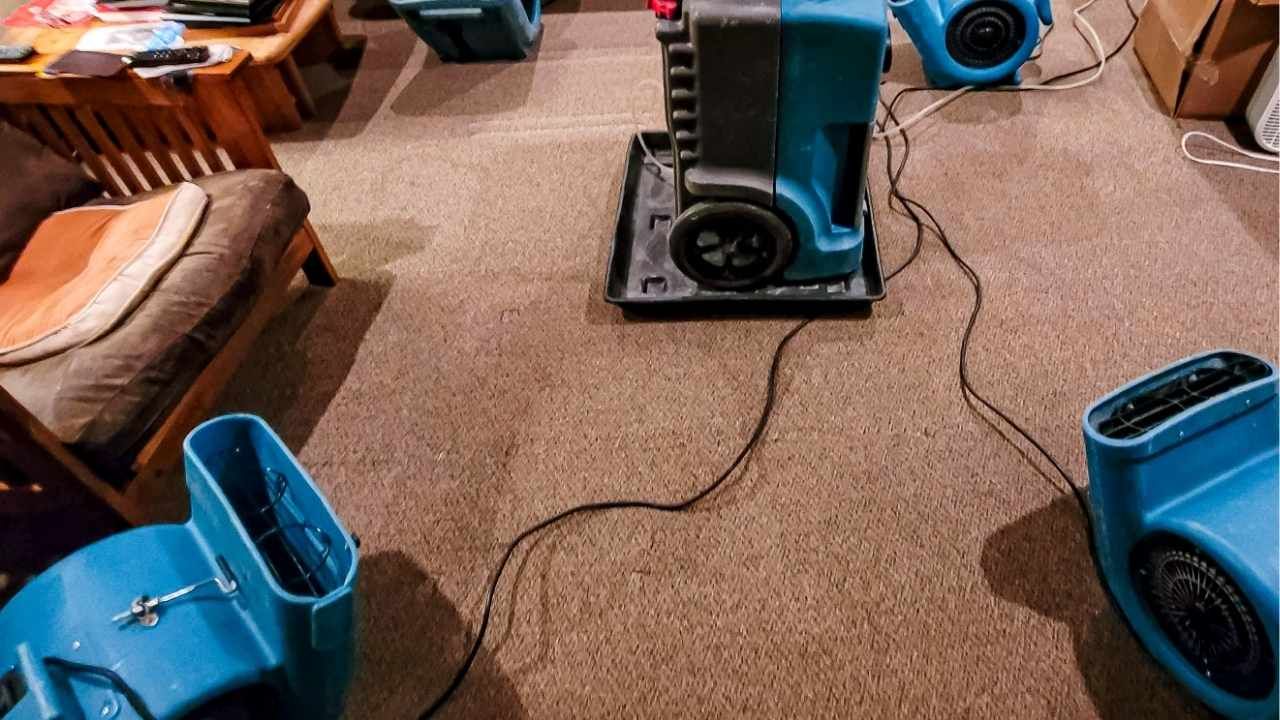
A professional team does not simply point fans at wet areas and hope for the best. They inspect the damage, measure moisture levels, remove trapped water, and use drying equipment in a planned way. This often includes air movers, dehumidifiers, moisture meters, and sometimes targeted demolition when materials cannot be saved.
Why Hidden Moisture Is the Real Threat
Water can travel farther than most people expect. It may run under flooring, behind baseboards, into wall cavities, and beneath cabinets before anyone notices. Even when the surface looks normal, damp materials can continue feeding mold and bacteria.
This is why water extraction and drying must happen quickly and correctly. Extraction removes as much water as possible at the start, while drying handles the moisture that remains inside structural materials. Skipping either step can leave the building vulnerable.
Hidden moisture can lead to:
- Mold growth behind walls
- Warped flooring
- Musty odors
- Damaged drywall
- Soft or weakened wood
- Peeling paint
- Higher repair costs later
The hard truth is simple: if the structure is not dry, the job is not done.
How Professionals Monitor the Drying Process
Structural drying is not based on guesswork. Trained technicians use moisture meters and thermal imaging tools to find damp areas that are not visible. They also compare affected materials to normal moisture readings in dry areas of the property.
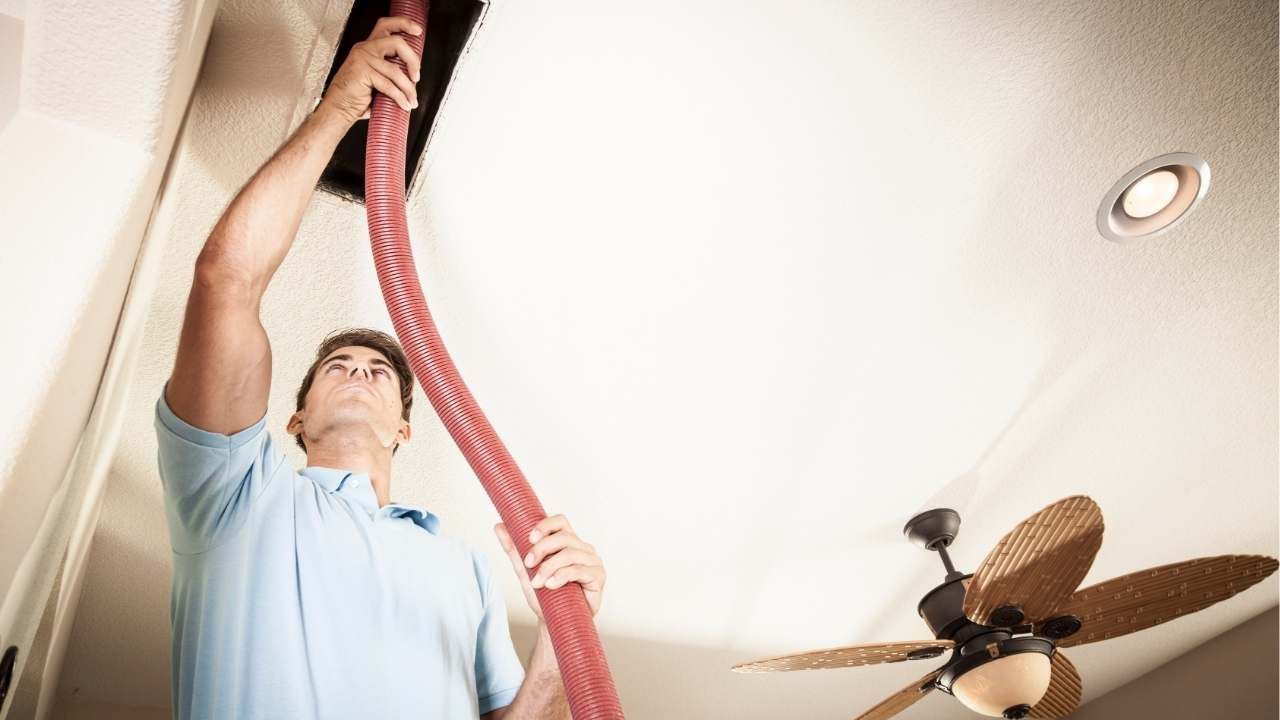
From there, they create a drying plan. Air movers help moisture evaporate from wet surfaces, while dehumidifiers pull that moisture out of the air. In enclosed spaces, technicians may remove baseboards, drill small access holes, or lift flooring to improve airflow.
Daily monitoring is a major part of the process. Professionals check whether moisture levels are dropping as expected. If an area is not drying properly, they adjust the equipment or open the area further. That is what separates real structural drying from basic cleanup.
This also connects to broader property care. Some companies that provide deep & general cleaning services in Kaua’i may help with post-damage cleaning, but structural drying requires specialized equipment, training, and moisture documentation.
A Short Case Study: When “Dry Enough” Was Not Enough
A homeowner in a coastal community had a washing machine overflow while they were away for the weekend. They mopped the floor, opened windows, and ran household fans for two days. The tile looked dry, so they assumed the issue was handled. Three weeks later, a sour smell appeared near the laundry room. A moisture inspection found damp drywall behind the baseboards and wet subflooring near the hallway. Once professional drying equipment was used, the odor disappeared and the damaged materials were stabilized. The lesson was clear: visible dryness does not always mean structural dryness.
What Homeowners Should Do After Water Damage
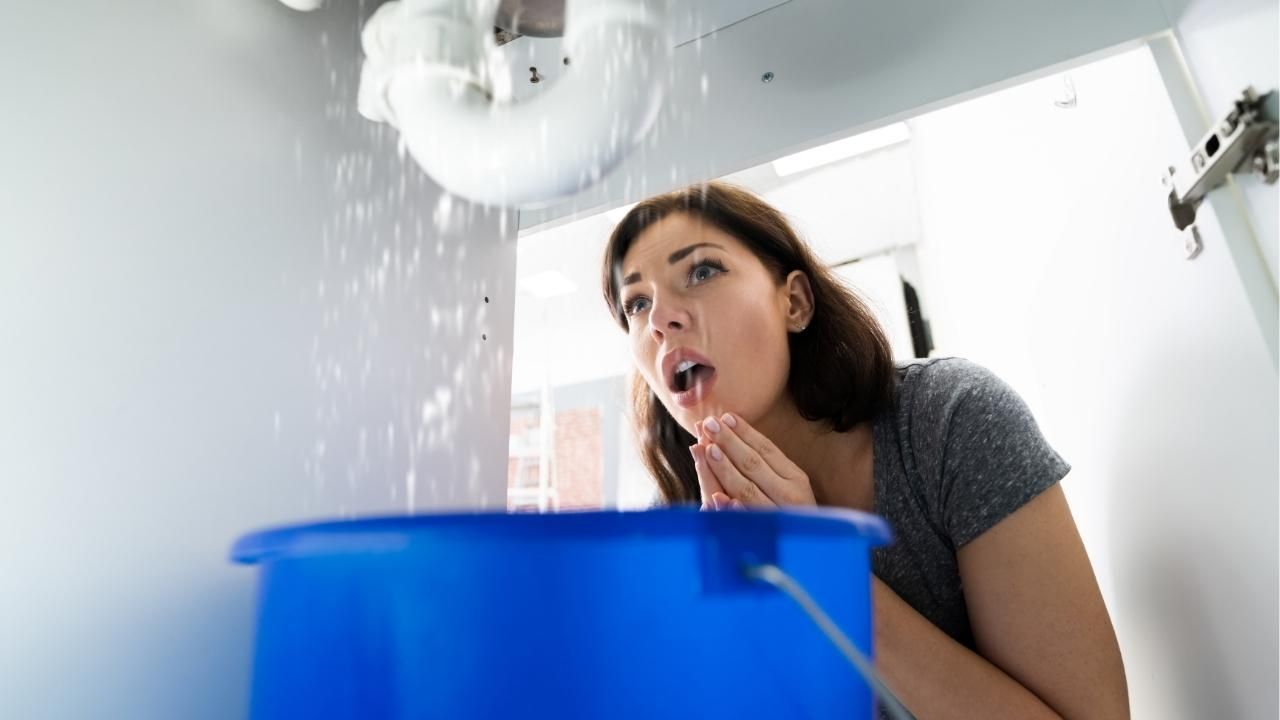
The first step is to stop the water source if it is safe to do so. Shut off the supply valve, move valuables away from wet areas, and avoid walking through contaminated water. Then call a qualified restoration professional as soon as possible.
Avoid relying only on towels, box fans, or open windows. These may help slightly, but they rarely dry hidden materials properly. Also, do not paint over stains or install new flooring until moisture levels are confirmed safe.
A good restoration team should explain what is wet, what can be saved, what must be removed, and how long drying may take. They should also document readings throughout the process.
Structural drying is not just cleanup. It is damage control, mold prevention, and long-term protection for your home.
If your property has water damage, schedule a professional moisture inspection before small hidden problems turn into expensive repairs.