What to Expect During a Mold Inspection on Kauaʻi
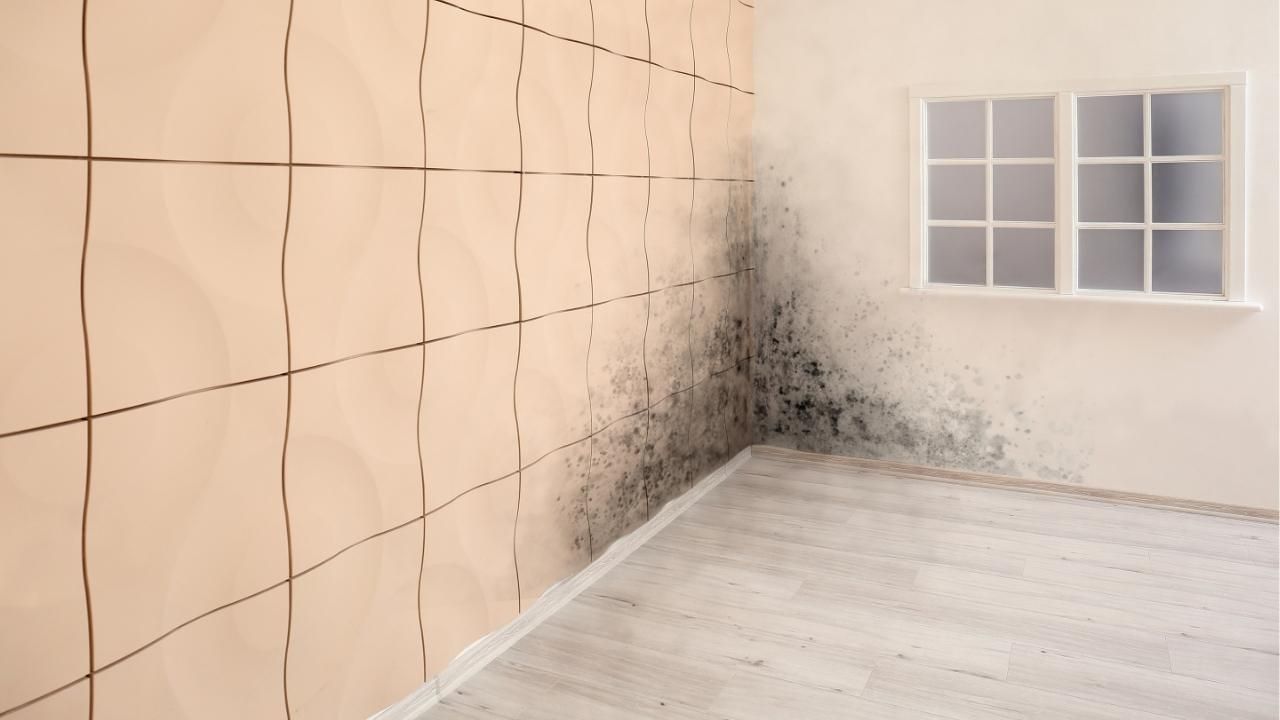
Mold can sneak into a home long before you see dark spots on a wall or smell that damp, earthy odor in a closet. On Kauaʻi, where ocean air, trade winds, rain, and humidity are part of daily life, moisture problems can show up fast. A mold inspection helps you understand what is happening inside your home before the issue spreads.
In this article, you will learn what happens during a mold inspection, what inspectors look for, how testing works, and what steps usually come next.
Why Mold Inspections Matter on Kauaʻi
Living on Kauaʻi has plenty of perks, but the island’s humid climate can make homes more vulnerable to mold. Bathrooms, kitchens, laundry areas, closets, attics, and rooms with poor airflow are common trouble spots. Even a small plumbing leak or hidden roof issue can create the right conditions for mold growth.
A professional inspection is not just about finding visible mold. It is about finding moisture. Mold needs water to grow, so inspectors focus on the source of the problem first. That may include leaks, condensation, flooding, poor ventilation, or damp building materials.
If the inspection confirms a serious issue, the next step may involve professional mold remediation in Kaua’i, Hi to remove contaminated materials and correct the source of moisture safely.
What Happens During the Inspection
A mold inspection usually begins with a conversation. The inspector may ask when you first noticed the problem, whether the home has had leaks, whether anyone smells musty odors, and if certain rooms feel damp or stuffy.
From there, the inspector walks through the home and checks high-risk areas, including:
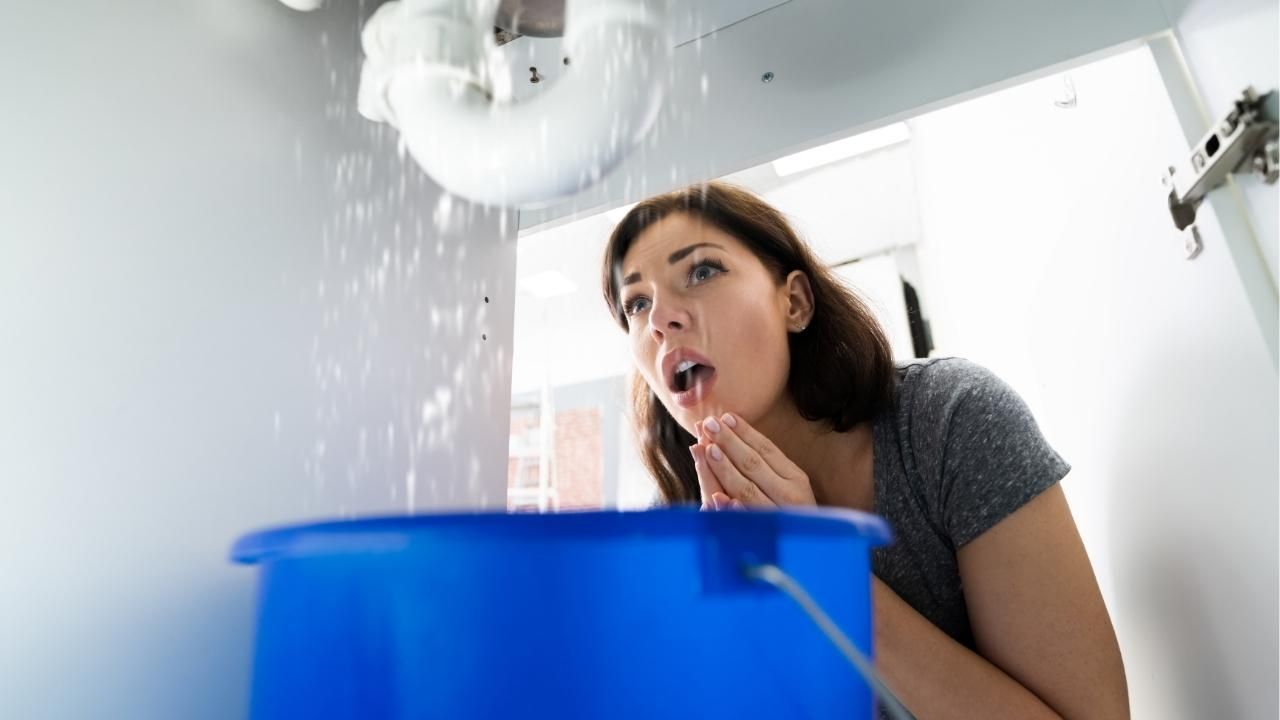
- Bathrooms and under-sink cabinets
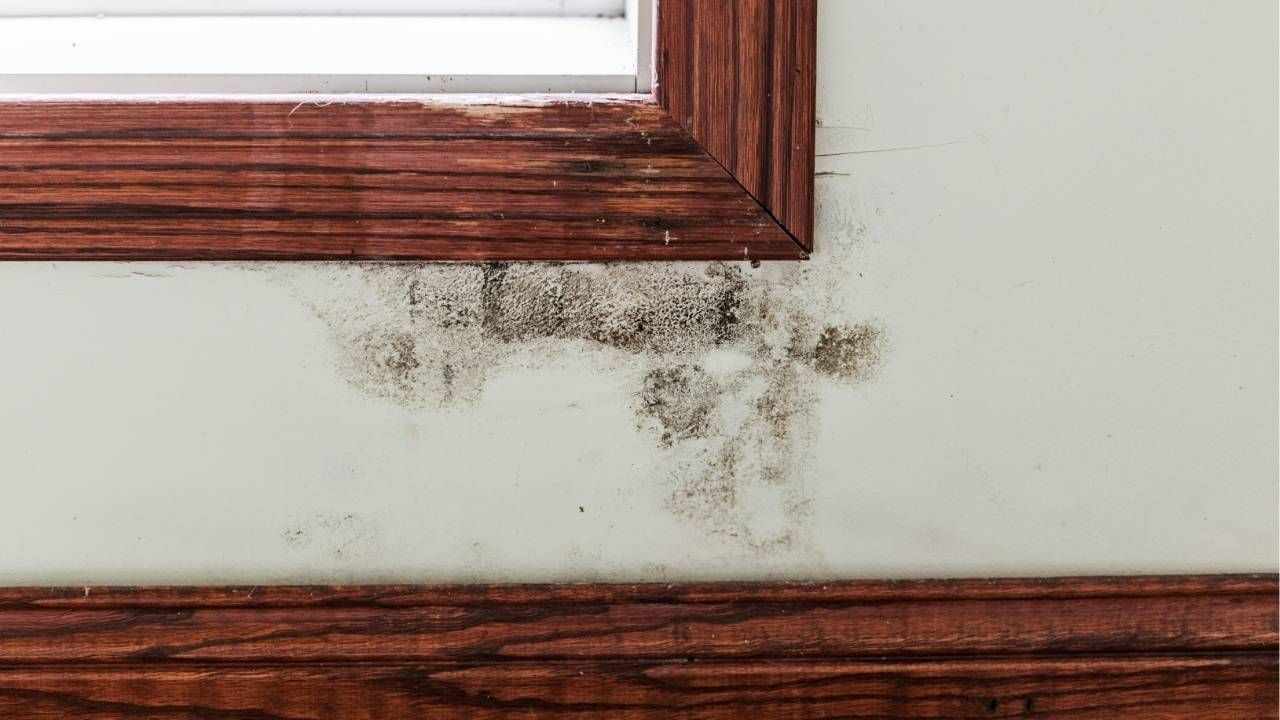
- Around windows and doors
- Behind appliances
- Closets and storage rooms
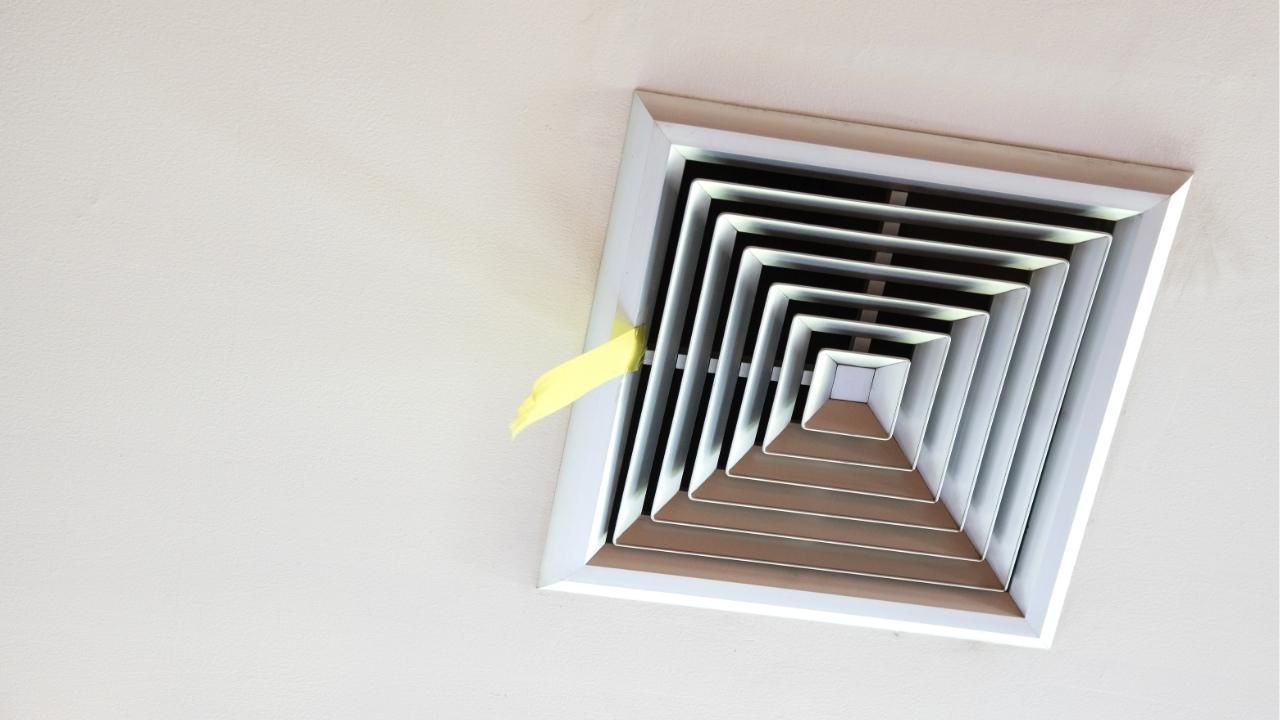
- Air conditioning units and vents
- Attics, crawl spaces, and basements if present
- Walls, ceilings, and flooring near water lines
They may use moisture meters, infrared cameras, hygrometers, and flashlights to locate damp areas that are not obvious to the eye. This part matters because painting over mold or wiping it away does not solve the problem if moisture remains.
Some homeowners also schedule Kaua’i deep & general cleaning after the inspection or remediation process, especially when mold was linked to dust buildup, poor airflow, or long-term humidity inside the home.
Will the Inspector Take Mold Samples?
Not every inspection requires mold testing. If visible mold is already present and the moisture source is clear, testing may not be necessary. However, sampling can help when the source is uncertain, when mold is suspected behind walls, or when occupants have ongoing allergy-like symptoms.
Common testing methods include:
- Air samples to compare indoor and outdoor mold levels
- Surface samples from walls, floors, or furniture
- Tape or swab samples from suspicious areas
- Moisture readings from building materials
The samples are usually sent to a lab. Results may show what types of mold are present and whether indoor levels are higher than expected. However, lab results are only one part of the picture. A good inspector will also explain what the findings mean in plain language and what practical steps should follow.
Case Study: A Small Leak That Became a Bigger Problem
A homeowner in Līhuʻe noticed a musty smell in the guest bedroom but saw no visible mold. During the inspection, the technician found elevated moisture along one wall near a window. Further checking showed that wind-driven rain had been entering through a small gap in the exterior seal. The drywall behind a dresser had started growing mold because the area stayed damp and had little airflow. The homeowner repaired the seal, removed the affected material, and improved ventilation. Because the issue was caught early, the damage stayed limited and the cost was far lower than a full-room restoration.
What Happens After the Inspection
After the inspection, you should receive a report explaining what was found, where moisture was detected, whether samples were taken, and what the inspector recommends. The report may include photos, moisture readings, lab results, and a suggested action plan.
Depending on the findings, your next steps may include:
- Fixing leaks or drainage problems
- Improving ventilation
- Removing damaged drywall, flooring, or insulation
- Cleaning affected surfaces
- Using dehumidifiers or better airflow
- Scheduling professional remediation
The goal is not just to remove mold. The goal is household mold prevention so the same issue does not keep coming back.
A mold inspection gives you answers, not guesswork. If your Kauaʻi home smells musty, feels damp, or has visible spots that keep returning, schedule a professional inspection before the problem spreads.