Kitchen Mold: Causes Lurking in Your Sink, Fridge, and Pantry
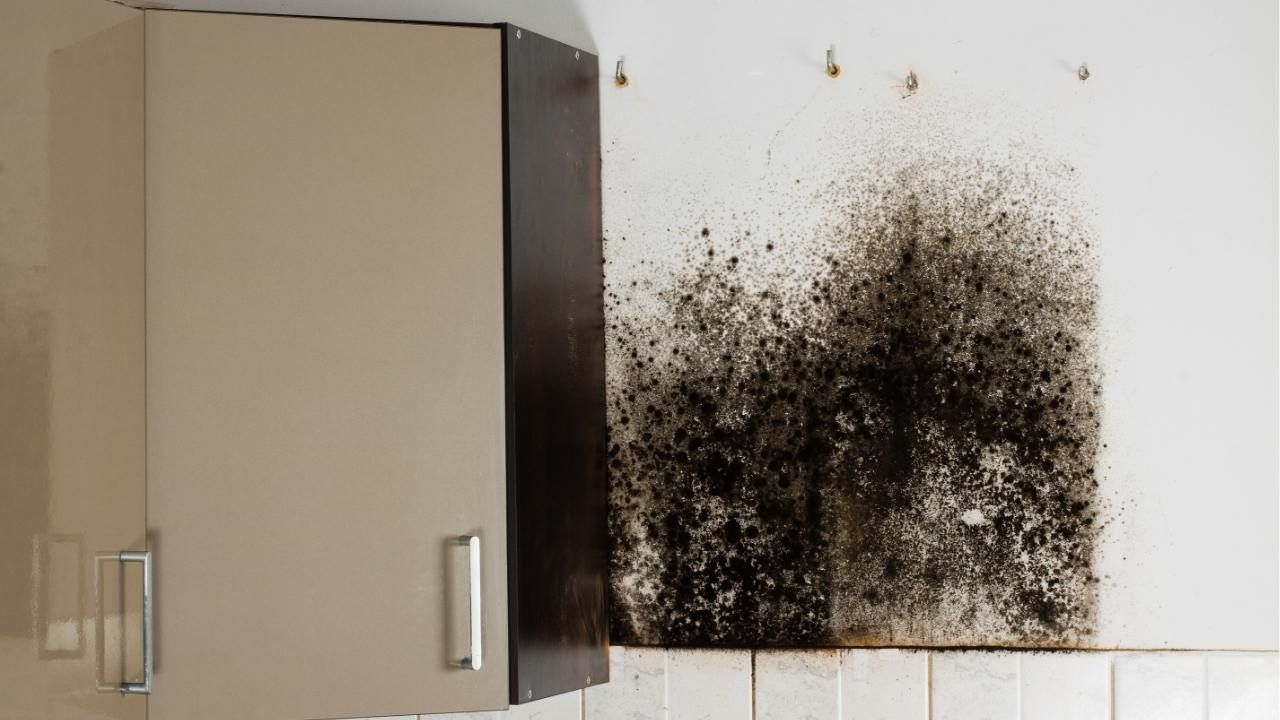
Your kitchen might look clean on the surface, but mold loves the places you rarely think about. It thrives in moisture, warmth, and darkness, which makes kitchens prime real estate. The scary part? Most homeowners don’t notice mold until it’s already spread.
In this article, you’ll learn where kitchen mold actually starts, why it keeps coming back, and what you can do before it turns into a health or structural problem. If you live in a humid climate, this matters more than you think.
Mold Under the Sink: Out of Sight, Out of Control
The cabinet under your sink is ground zero for hidden mold. Small leaks, condensation on pipes, and trapped humidity create the perfect breeding ground. Because the area is dark and rarely inspected, mold can grow for months without detection.
Common causes include:
- Slow-dripping pipe joints
- Loose P-traps
- Poor ventilation inside cabinets
- Water-damaged particleboard or MDF
Once mold takes hold here, wiping the surface won’t fix it. Moisture seeps into wood and drywall, allowing spores to survive and spread. In many homes, this is where professional inspections for mold remediation in Kaua’i, Hi begin, because DIY fixes simply don’t last.
Refrigerator Mold: The Rubber Seal Problem
Most people clean inside their fridge, but few clean the rubber door gasket. That seal traps crumbs, moisture, and food residue, exactly what mold needs. Over time, black or green mold forms in the folds, contaminating food and circulating spores every time the door opens.
Mold also forms:
- In fridge drain pans
- Behind refrigerators where condensation builds
- In ice makers with stagnant water
If mold keeps returning after cleaning, it’s a sign the contamination has gone deeper. At that point, calling Eco Kauai Services can prevent mold from spreading beyond the appliance into nearby walls or flooring.
Pantry Mold: Dry Doesn’t Always Mean Safe
Pantries feel dry, but they often aren’t. Warm air, poor airflow, and tightly packed shelves trap humidity, especially in coastal or tropical climates. One spilled bag of rice or a forgotten cardboard box can introduce enough moisture to trigger growth.
Watch for:
- Mold on cardboard packaging
- White or fuzzy growth on wood shelves
- Musty odors when opening pantry doors
Pantry mold is especially deceptive because it spreads silently. By the time you see it, spores may already be airborne throughout the kitchen.
Why Kitchen Mold Keeps Coming Back
Here’s the hard truth: bleach and wipes don’t solve mold problems. They clean what you see, not what’s underneath. Mold roots itself into porous materials, and unless moisture is controlled, it will return.
Recurring mold usually means:
- Hidden water intrusion
- Inadequate ventilation
- Materials already contaminated
This is why professionals who handle mold issues focus on both removal and prevention, not just surface cleaning.
Case Study: A Hidden Sink Leak Turns Serious
A Kaua’i homeowner noticed a faint musty smell near the kitchen sink but saw no visible mold. After weeks of cleaning, the odor worsened. An inspection revealed a slow pipe leak soaking the cabinet base and drywall behind it. Mold had spread into the wall cavity and pantry shelving.
The solution involved removing damaged materials, drying the area, treating affected surfaces, and fixing the leak permanently. Early intervention saved thousands in repairs and prevented health issues from prolonged exposure.
Take Action Before Mold Takes Over
Kitchen mold doesn’t wait, and neither should you. If you’ve noticed persistent odors, recurring spots, or unexplained moisture, it’s time to act. Schedule a professional inspection and stop mold at the source before it spreads beyond your kitchen.