How a Clogged Dryer Vent Can Lead to Mold in Your Home
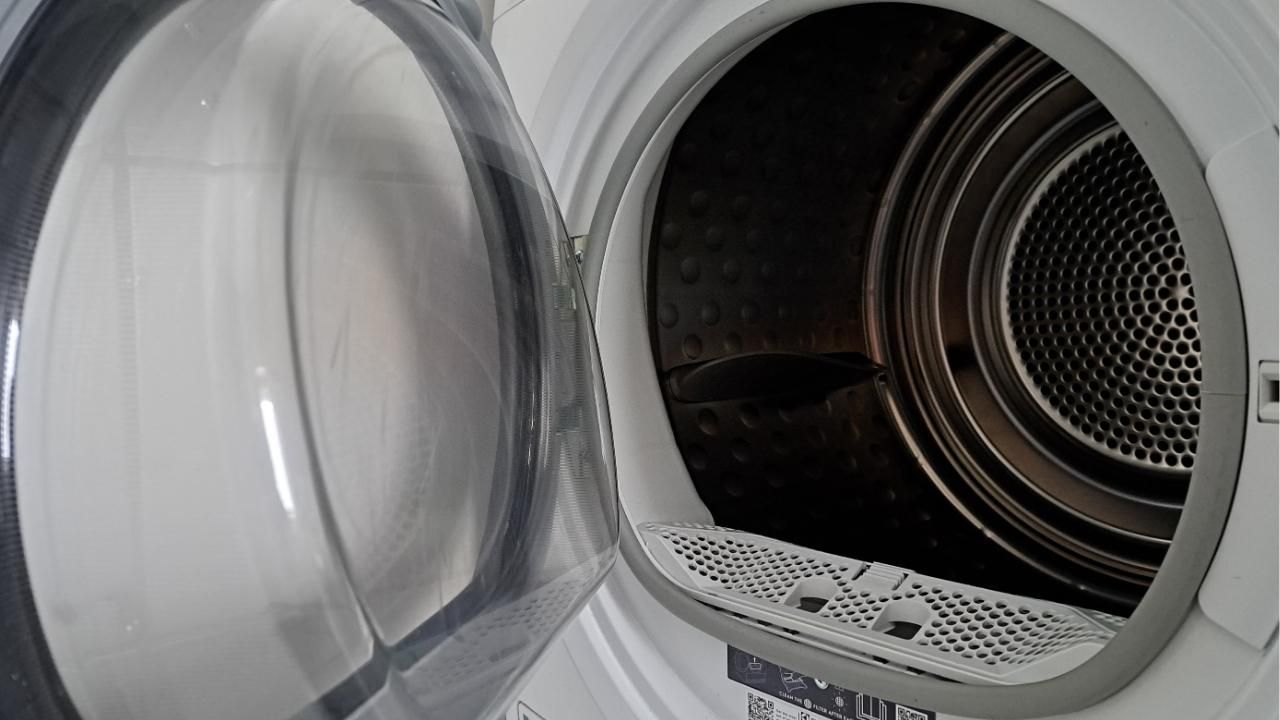
A clogged dryer vent isn’t just a minor home maintenance issue, it’s a hidden moisture trap waiting to cause real damage. Many homeowners assume mold problems start with roof leaks or plumbing failures, but dryer vents are a surprisingly common culprit. When warm, damp air has nowhere to go, it finds its way back into your home instead.
In this article, you’ll learn how a blocked dryer vent creates the perfect environment for mold, where problems usually show up first, and what you can do to stop it before repairs get expensive.
How Dryer Vents Create Moisture Problems
Every time you run your dryer, it produces heat and moisture. That moisture is supposed to exit your home through a clear, unobstructed vent. When lint, debris, or even bird nests restrict airflow, that damp air slows down or backs up entirely.
In humid areas like Kaua’i, this problem escalates fast. Moist air condenses inside the vent line, behind walls, or near ceilings, soaking nearby materials. Homeowners who delay dryer vent cleaning in Kaua’i, Hi often don’t realize the damage until musty odors or visible mold appear.
This trapped moisture doesn’t dry out on its own. It settles into drywall, insulation, and wood framing, materials mold loves.
Why Mold Thrives Around Dryer Vents
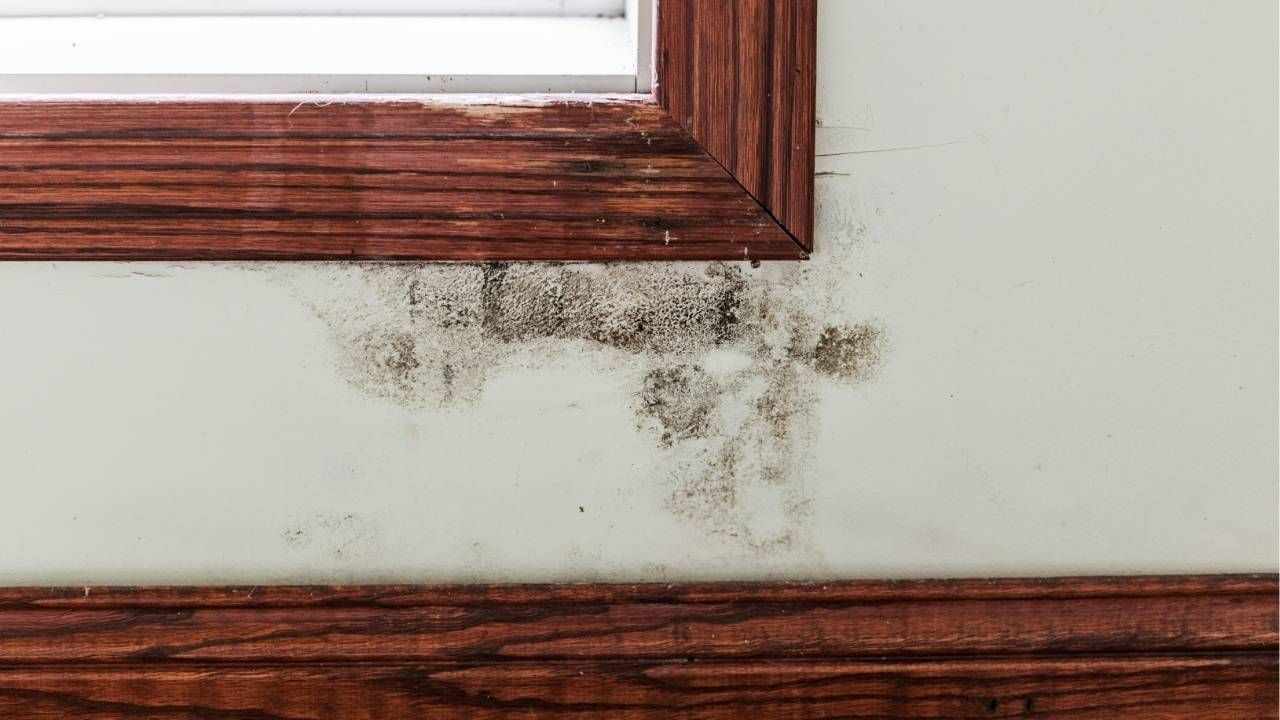
Mold needs three things: moisture, warmth, and organic material. A clogged dryer vent delivers all three. Warm air from the dryer raises temperatures, while lint provides an organic food source. Add condensation, and you’ve created a mold breeding ground.
Common areas where mold shows up include:
- Laundry room walls and ceilings
- Behind the dryer itself
- Inside vent ducts
- Adjacent closets or cabinets
Once mold starts spreading, professional mold treatment becomes necessary to fully remove spores and prevent recurrence.
Warning Signs You Shouldn’t Ignore
Mold related to dryer vents often starts quietly. By the time it’s visible, it’s usually been growing for weeks or months. Pay attention to these red flags:
- Clothes taking longer than usual to dry
- A damp or musty smell near the laundry area
- Excess humidity or condensation around walls
- Visible lint buildup around vent openings
If these issues are ignored, moisture can travel beyond the laundry room and affect other areas of your home.
Case Study: A Small Clog, a Big Problem
A Kaua’i homeowner noticed their dryer running longer cycles and assumed the appliance was failing. Months later, dark spots appeared on the laundry room ceiling. Inspection revealed a heavily clogged vent line forcing moisture back into the wall cavity. Mold had spread into insulation and drywall, requiring professional remediation. After a full vent cleaning and repairs by Eco Kauai Services, the issue was resolved. The homeowner avoided further damage by addressing airflow before structural rot set in.
Prevention Is Simple and Affordable
The good news? This problem is almost entirely preventable. Routine dryer vent maintenance keeps air moving and moisture out of your home.
Smart prevention steps include:
- Annual professional vent cleaning
- Checking exterior vent flaps for blockages
- Avoiding flexible plastic vent hoses
- Cleaning lint traps after every load
Compared to mold remediation and structural repairs, regular vent cleaning is a small investment with big returns.
Final Takeaway
A clogged dryer vent doesn’t just waste energy, it quietly invites mold into your home. Moisture buildup happens faster than most homeowners expect, especially in humid climates. If your dryer isn’t venting properly, it’s not a “later” problem, it’s a now problem.
Take action early, keep airflow clear, and protect your home before mold takes hold.
Book a professional inspection now!