Roof Leaks and Mold: What You Need to Know
A small roof leak can feel like a minor annoyance, until it quietly turns into a full-blown mold problem. In humid, coastal climates especially, trapped moisture doesn’t just dry out on its own. That’s why homeowners dealing with leaks often end up searching for "water damage restoration Kaua’i, Hi," not just a roofer.
This article breaks down how roof leaks lead to mold, why the damage escalates faster than most people expect, and what you should do the moment you spot warning signs. Understanding the chain reaction is the difference between a manageable repair and a major health and structural issue.
How Roof Leaks Create the Perfect Mold Environment
Mold needs three things: moisture, organic material, and time. Roof leaks provide all three in abundance. Water seeps into insulation, drywall, and wooden framing, materials mold loves to feed on.
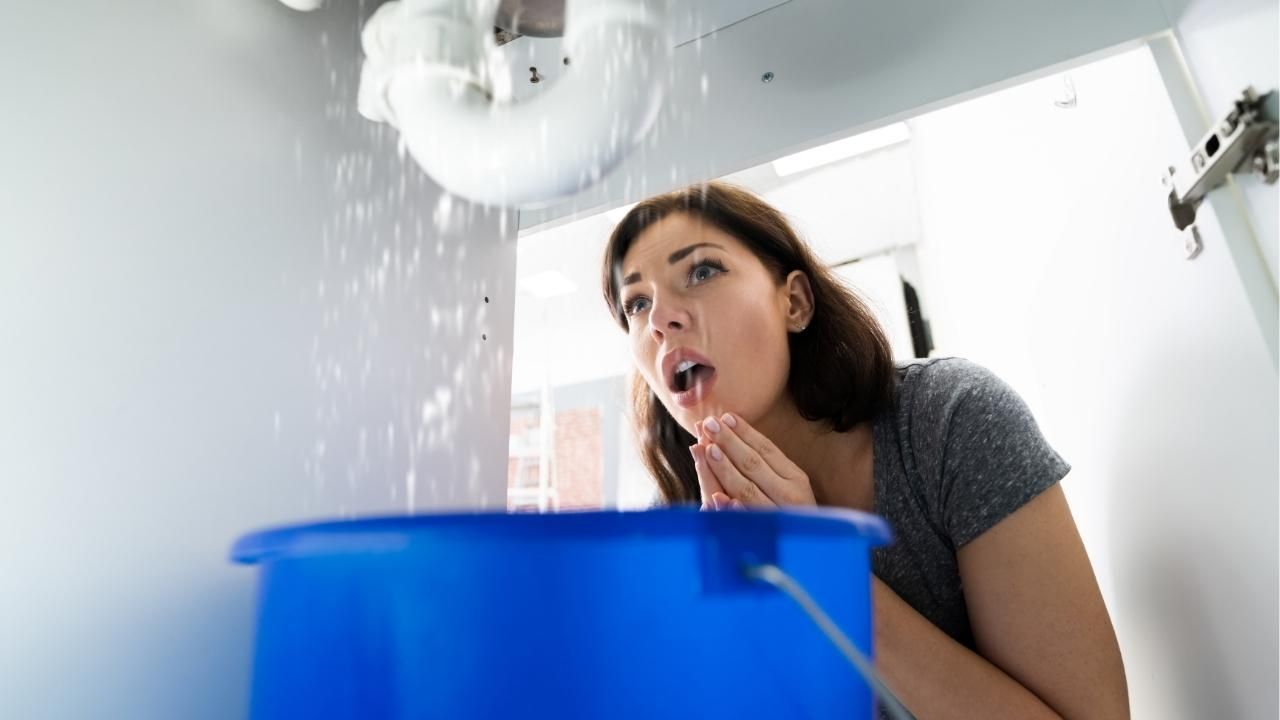
What makes roof leaks especially dangerous is that they’re often hidden. Water can travel along beams or drip behind walls, staying undetected for weeks. By the time stains appear on your ceiling, mold may already be spreading inside your attic or wall cavities.
In places like Kaua’i, warm temperatures and high humidity accelerate this process. Even a slow drip can create enough moisture for mold colonies to thrive within 24 to 48 hours.
Signs Your Roof Leak Has Turned Into a Mold Problem
Not every mold issue announces itself clearly. Many homeowners miss early indicators because the damage is out of sight.
Watch for these red flags:
- Musty or earthy odors, especially after rain
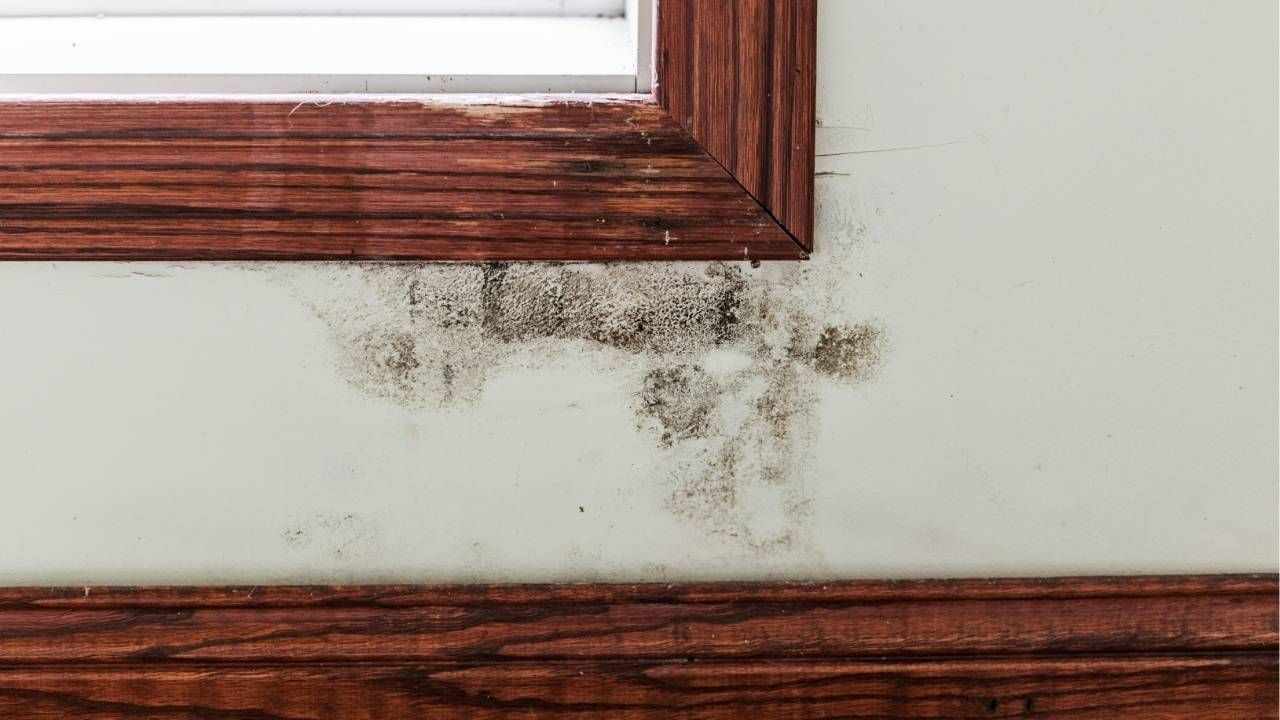
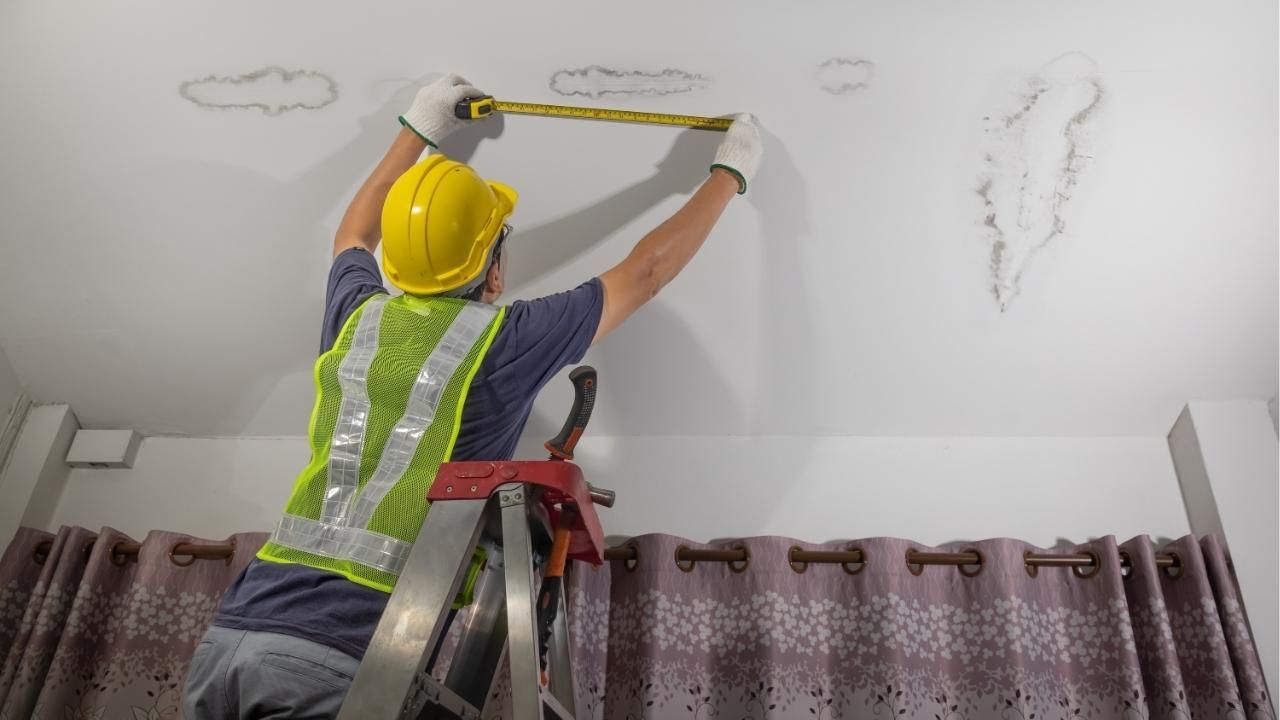
- Discoloration on ceilings or upper walls
- Peeling paint or bubbling drywall
- Allergy-like symptoms that worsen indoors
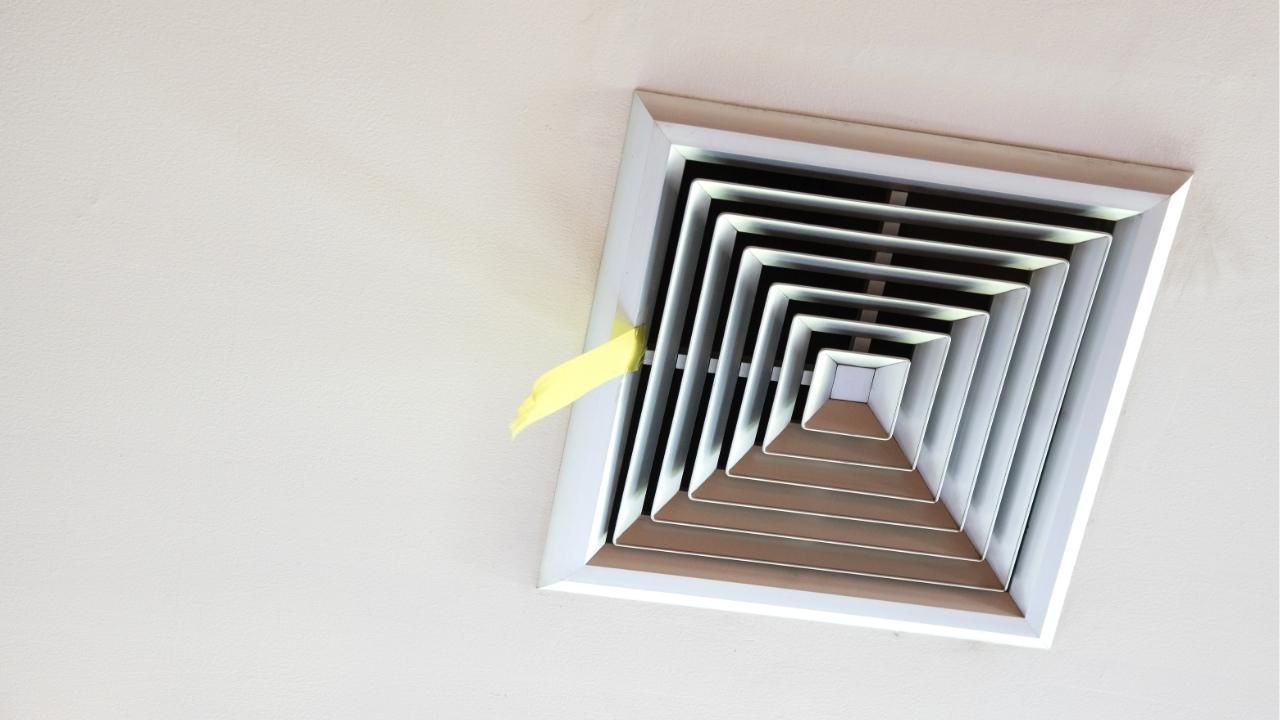
- Dark spots forming near vents or attic access points
If you notice more than one of these signs, the issue is likely beyond a simple patch job.
Why Mold From Roof Leaks Is a Bigger Health Risk
Mold spores circulate through your home’s air system, affecting indoor air quality. For children, seniors, and anyone with asthma or allergies, this can trigger serious respiratory issues.
Certain molds can also weaken structural components over time. Wet wood loses strength, insulation becomes ineffective, and drywall crumbles. Ignoring the problem doesn’t just risk your health, it compromises your home’s integrity.
This is where professional remediation matters. Companies like Eco Kauai Services focus on identifying hidden moisture sources, not just cleaning visible mold.
Why Drying Matters as Much as Removing the Mold
One of the biggest mistakes homeowners make is focusing only on surface cleanup. Bleach and paint don’t solve moisture problems—they hide them.
Effective remediation includes water extraction and drying to eliminate moisture trapped deep inside materials. Without this step, mold almost always comes back, often worse than before. Professional-grade drying equipment ensures affected areas reach safe moisture levels before repairs begin.
A Quick Case Study: From Leak to Recovery
A Kaua’i homeowner noticed a faint ceiling stain after a storm and assumed it was cosmetic. Weeks later, a musty smell spread through the house, and family members began experiencing headaches and congestion. Inspection revealed a slow roof leak soaking attic insulation and spreading mold along wooden trusses.
The solution involved repairing the roof, removing contaminated materials, professional drying, and targeted mold remediation. Because the issue was addressed before structural failure, repair costs stayed reasonable and indoor air quality was fully restored.
What to Do If You Suspect a Roof Leak
If you think water is getting in, act fast:
- Inspect your attic after heavy rain
- Don’t ignore odors or minor stains
- Avoid covering damage before inspection
- Reach out to professionals who handle both water and mold issues
Bottom line: Roof leaks and mold are inseparable problems. Fixing one without addressing the other is a short-term solution that leads to long-term damage. The sooner you act, the more money and stress you save.