How Water Damage Leads to Mold And What You Can Do About It
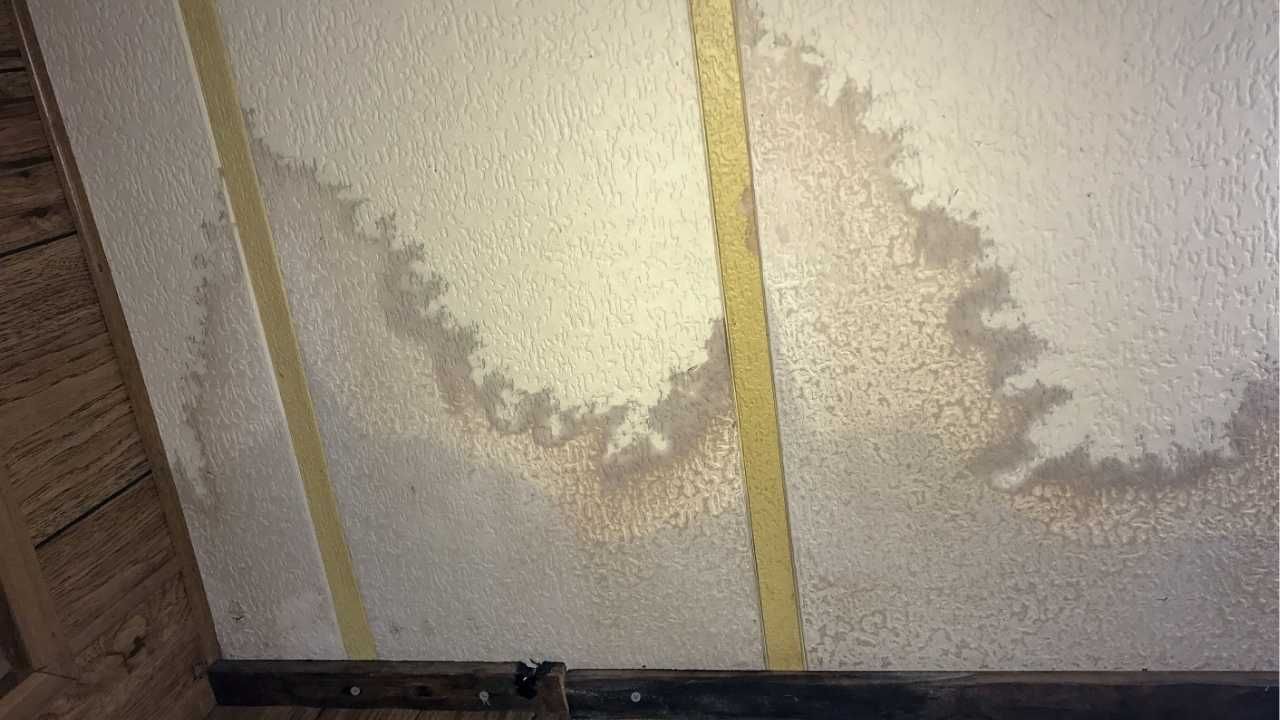
Water damage rarely looks serious at first. A small leak, a damp wall, or a musty smell can feel easy to ignore, until mold shows up and things get expensive fast. If you live in a humid climate, the margin for error is even smaller.
In this article, you’ll learn how water damage turns into mold, why it happens so quickly, and what practical steps you can take to stop the problem before it spreads.
Why Water Damage Creates the Perfect Mold Environment
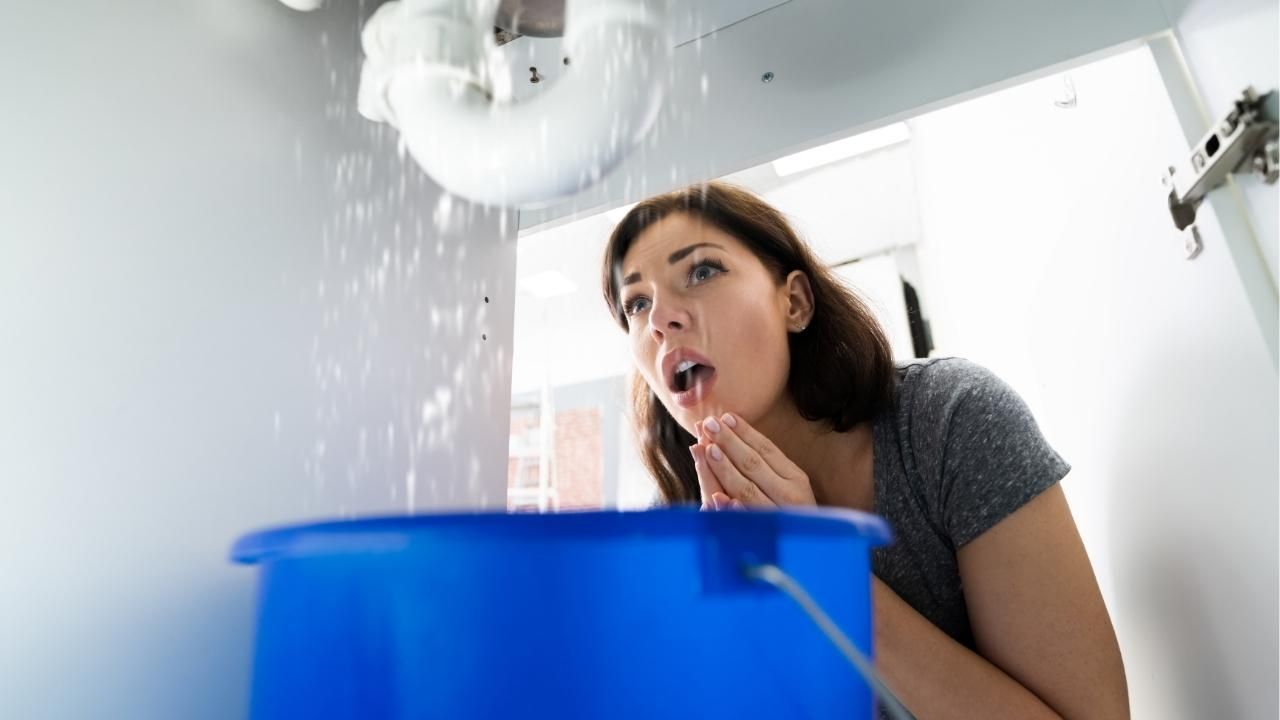
Mold needs three things to grow: moisture, warmth, and organic material. Unfortunately, most homes provide all three once water damage occurs. Leaks from roofs, pipes, appliances, or flooding soak into drywall, wood, insulation, and flooring, materials mold loves.
In places like Hawaiʻi, humidity speeds everything up. When homeowners delay Kaua’i, Hi water damage repair, moisture lingers behind walls and under floors long after surfaces appear dry. That trapped moisture becomes a silent breeding ground.
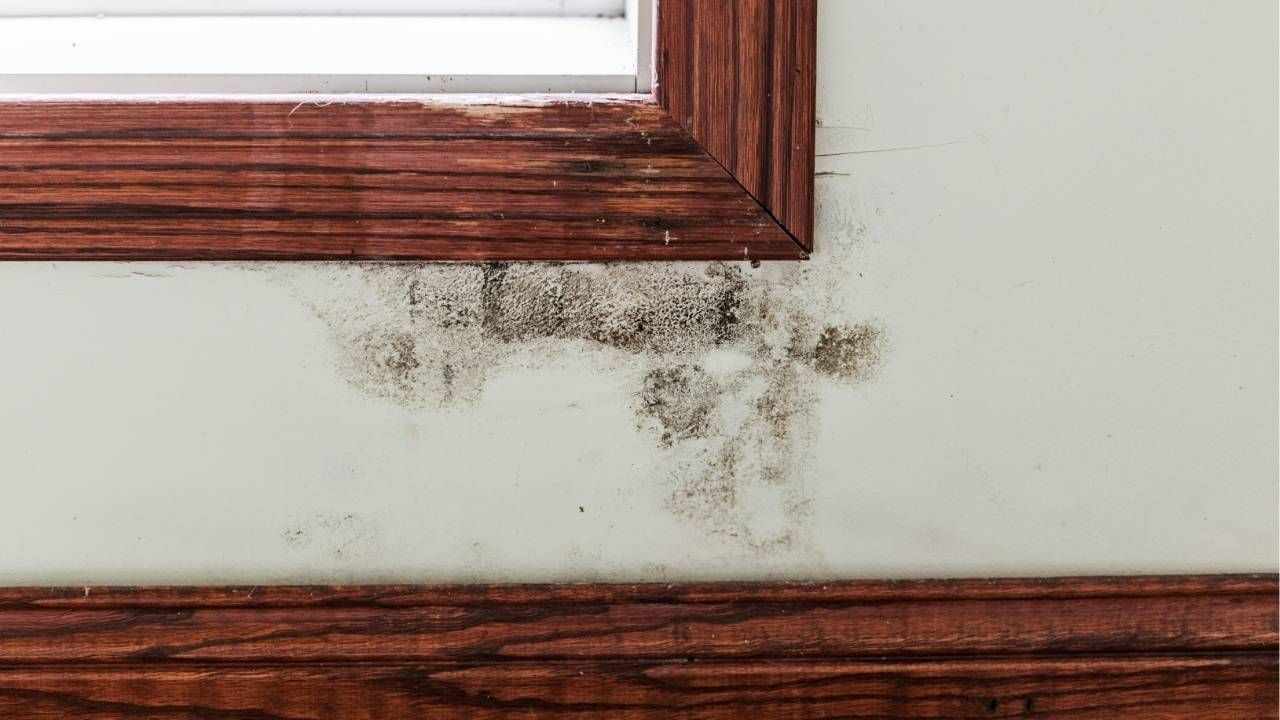
What makes this dangerous is that mold doesn’t wait. In as little as 24 to 48 hours, spores can activate and begin spreading, often out of sight. By the time discoloration or odors appear, the infestation is usually well underway.
How Mold Spreads After Water Damage
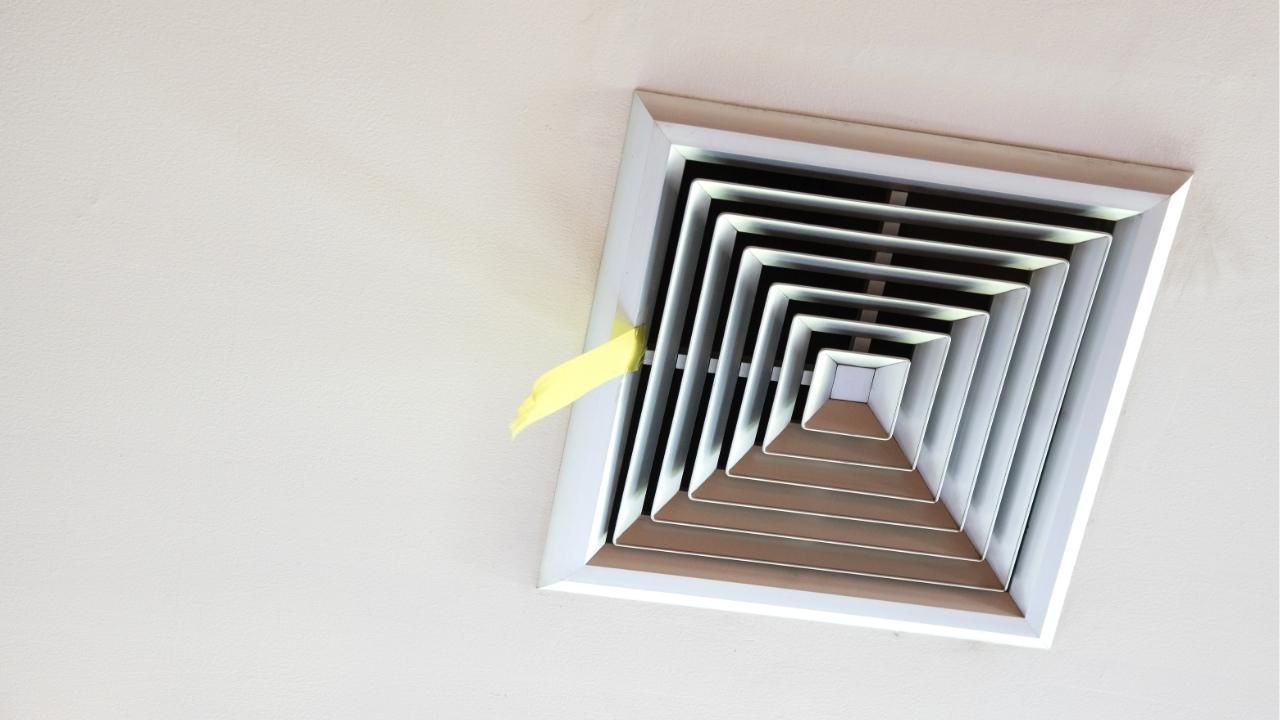
Once mold starts growing, it doesn’t stay in one place. Spores travel easily through the air and HVAC systems, settling in new damp areas. One untreated leak can turn into a whole-house issue.
Common places mold spreads after water damage include:
- Behind drywall and baseboards
- Under carpets and padding
- Inside cabinets and closets
- Around air vents and ductwork
This is why quick professional response matters. Companies like Eco Kauai Services focus on stopping moisture at the source before mold has time to expand and contaminate additional areas.
Health and Structural Risks You Shouldn’t Ignore
Mold isn’t just an eyesore, it’s a health risk. Exposure can cause:
- Persistent coughing or sneezing
- Headaches and fatigue
- Skin and eye irritation
- Worsened asthma or allergies
Long-term exposure can be especially harmful for children, seniors, and anyone with respiratory conditions.
Structurally, mold slowly breaks down wood, drywall, and insulation. Left untreated, it can weaken framing, ruin flooring, and require major reconstruction. What starts as a small water issue can end in thousands of dollars in repairs.
What You Can Do Immediately After Water Damage
The biggest mistake homeowners make is waiting. If water damage occurs, act fast.
Here’s what you should do:
- Stop the water source immediately
- Remove standing water if safe to do so
- Increase airflow with fans and open windows
- Avoid covering wet areas with rugs or furniture
- Call professionals to assess hidden moisture
DIY drying methods help, but they rarely reach moisture trapped inside walls or subfloors. That’s where trained mold removal experts become essential, they use specialized equipment to detect and eliminate moisture you can’t see.
Prevention Is Always Cheaper Than Cleanup
The best way to deal with mold is to prevent it entirely. Routine inspections, fast repairs, and professional drying after leaks or flooding make a massive difference. Ignoring water damage doesn’t save money, it guarantees higher costs later.
Bottom line: If your home experiences water damage, don’t wait for mold to prove it’s a problem. Take action immediately, protect your health, and safeguard your property by addressing moisture before it spreads. Contact us today.