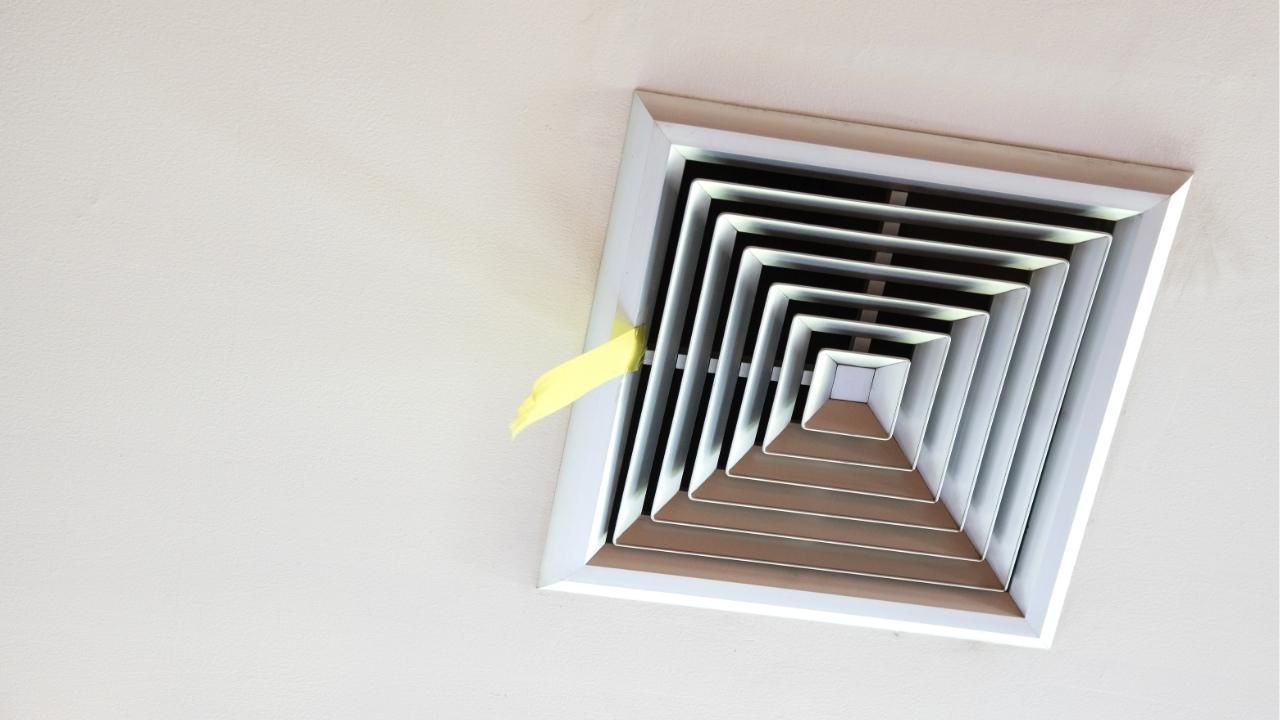
How Your Daily Habits May Be Causing Mold Without You Knowing
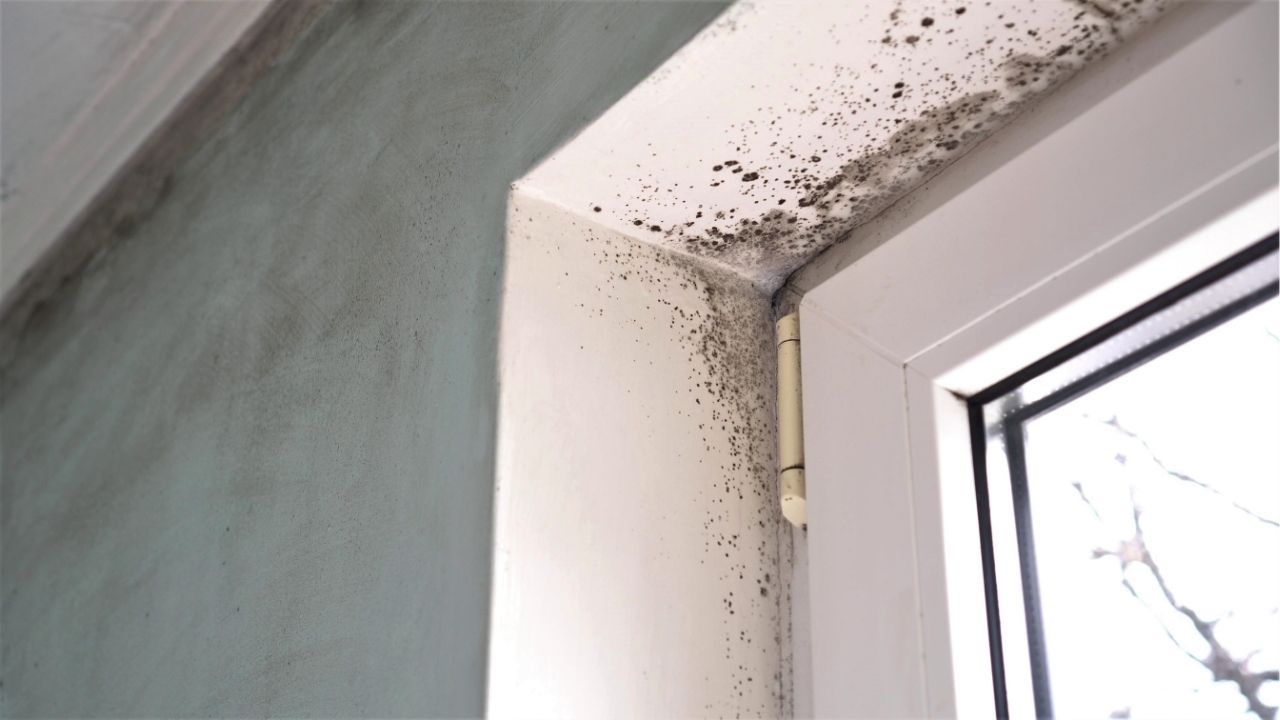
Mold doesn’t show up overnight and it’s rarely caused by one big mistake. Most of the time, it creeps in quietly through everyday habits you barely notice. If you live in a humid climate, especially on the islands, those small routines can add up fast.
In this article, you’ll learn which common daily behaviors trigger mold growth, why they’re risky, and how to shut the problem down before it spreads. No scare tactics, just straight facts and practical fixes.
The Hidden Mold Triggers in Your Daily Routine
Here’s the uncomfortable truth: many homeowners unintentionally create perfect conditions for mold. In places like Kaua’i, where moisture is part of daily life, mold removal in Kaua’i, Hi is often needed not because of disasters, but because of habits.
Common culprits include:
- Air-drying clothes indoors without ventilation
- Leaving bathroom doors closed after showers
- Running AC units too cold, too often
- Ignoring small plumbing drips
- Letting humidity linger above 60%
None of these seem dangerous alone. Together? They’re a mold factory.
Why Humidity Is the Real Enemy
Mold doesn’t need dirt, it needs moisture. When warm air meets cool surfaces, condensation forms. That moisture seeps into drywall, cabinets, and flooring, creating invisible growth zones.
Daily habits that spike indoor humidity include:
- Long, hot showers without exhaust fans
- Cooking without using range hoods
- Keeping windows closed all day
- Overwatering indoor plants
Once moisture gets trapped, mold spores activate fast. This is why a professional mold inspection matters even when you don’t see visible spots yet.
Cleaning Habits That Backfire
Ironically, some cleaning routines make mold worse.
Examples:
- Using too much water on floors or carpets
- Mopping without drying afterward
- Spraying cleaners and leaving surfaces wet
- Storing damp sponges or mops under sinks
Moisture left behind doesn’t “air dry” in enclosed spaces, it feeds mold. Smart cleaning means dry finishes, airflow, and routine checks behind appliances and cabinets.
Short Case Study: A Quiet Mold Problem
A South Shore homeowner noticed a mild musty smell but no visible mold. Their routine included daily indoor laundry drying and keeping windows shut to save on cooling costs. Over time, humidity stayed high behind bedroom walls. A local assessment revealed mold spreading inside the drywall, completely hidden. Early detection saved thousands in repairs. After addressing airflow issues and adjusting habits, the home stayed mold-free with no recurring issues, thanks to guidance from Eco Kauai Services and a targeted remediation plan.
How to Break the Cycle for Good
Mold prevention isn’t about perfection, it’s about consistency.
Do this instead:
- Run exhaust fans during and after showers
- Use dehumidifiers in closed rooms
- Dry wet areas immediately
- Fix leaks the moment they appear
- Schedule inspections before problems explode
If you want peace of mind, stop guessing. Get clarity, fix the cause, and protect your home long-term.
Take action now: review your daily habits this week and if something feels off, schedule a professional evaluation before mold makes the decision for you.