How Poor Construction Can Lead to Mold Problems
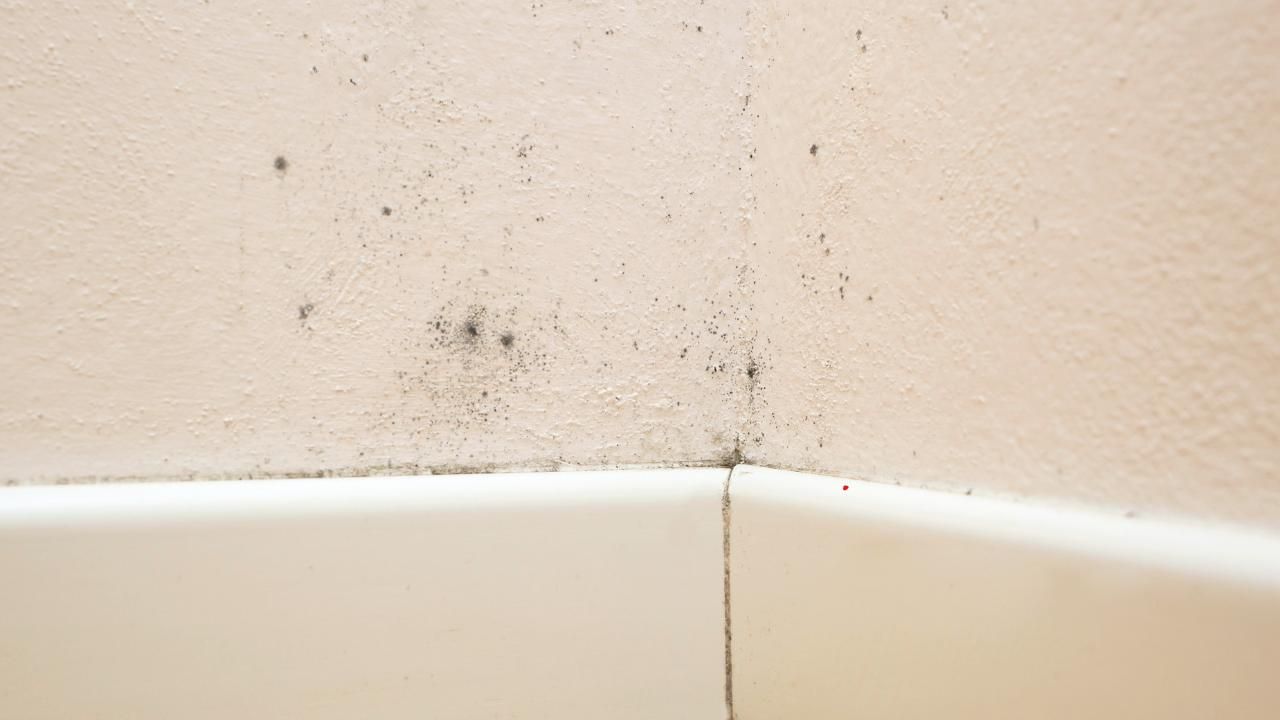
Mold doesn’t just “show up” out of nowhere. In many homes, it’s the direct result of shortcuts taken during construction. When builders rush jobs, ignore moisture control, or use the wrong materials, mold is often the long-term consequence homeowners end up paying for.
In this article, you’ll learn how poor construction practices create the perfect environment for mold, the warning signs to watch for, and why fixing the root cause matters more than surface-level cleanup.
Where Construction Goes Wrong
One of the biggest culprits behind mold growth is poor moisture management during construction. Homes are supposed to control water, not trap it. When that system fails, mold thrives. This is why homeowners often discover issues years later and end up searching for mold remediation in Kaua’i, Hi after noticing persistent odors or health symptoms.
Common construction mistakes include:
- Improper roof flashing that allows slow leaks
- Poorly sealed windows and doors
- Inadequate drainage around the foundation
- Missing or damaged vapor barriers
- Low-quality materials that absorb moisture easily
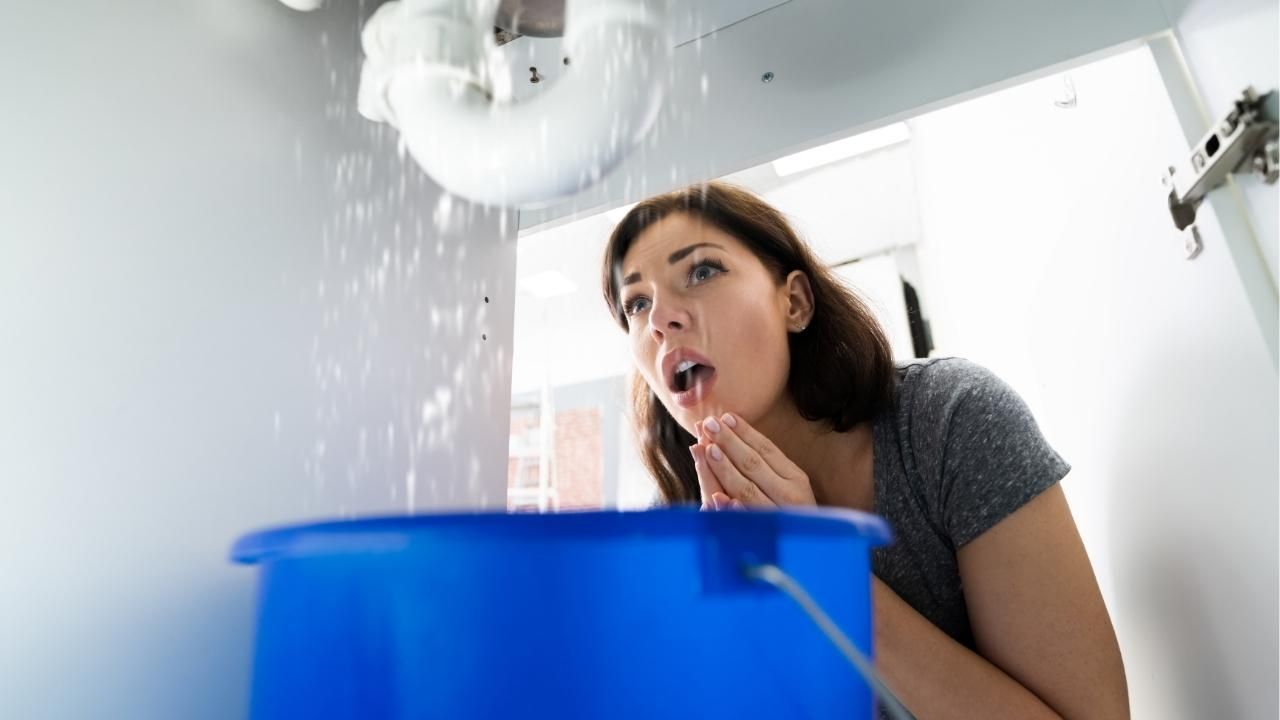
Each of these errors allows water to enter hidden spaces where it can’t easily dry out. Once moisture gets behind walls or under flooring, mold growth becomes almost inevitable.
Poor Ventilation Makes the Problem Worse
Even when water intrusion is minor, bad ventilation can turn a small issue into a major one. Bathrooms, kitchens, laundry rooms, and attics are especially vulnerable if airflow isn’t designed correctly.
Poor construction often leads to:
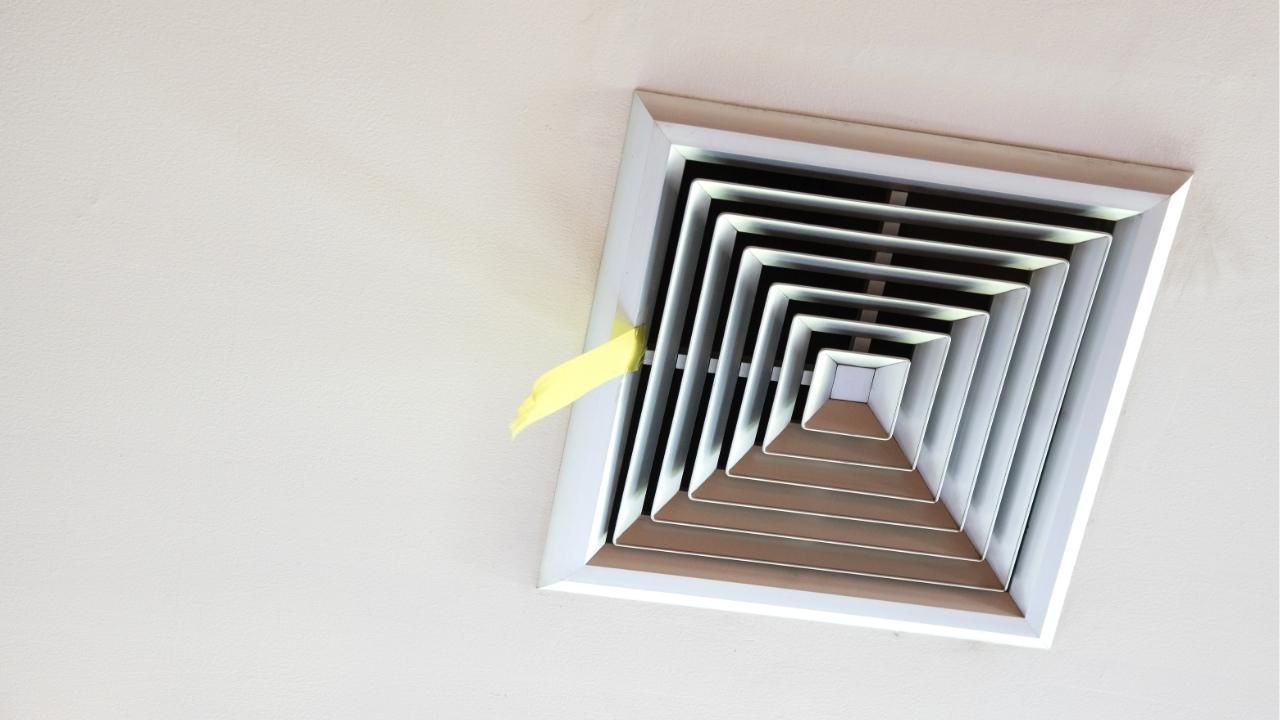
- Exhaust fans venting into attics instead of outside
- Undersized HVAC systems that fail to remove humidity
- Air leaks that cause condensation inside walls
In humid climates, these flaws compound quickly. Moist air gets trapped, surfaces stay damp longer, and mold colonies spread quietly without visible warning signs.
Cheap Materials Create Long-Term Risk
Another overlooked factor is material selection. Builders cutting costs may use drywall, insulation, or wood products that lack proper moisture resistance. Over time, these materials break down when exposed to even small amounts of humidity.
This is where working with experienced professionals like
Eco Kauai Services becomes critical. Addressing mold without correcting construction flaws only treats the symptom, not the disease. Mold will come back if the environment that caused it remains unchanged.
A Real-World Case Study
A family moved into a newer home that looked flawless on the surface. Within two years, they noticed musty smells and recurring respiratory issues. An inspection revealed improperly sealed windows and missing flashing that allowed rainwater to seep behind the walls. Mold had spread across insulation and framing, completely hidden from view. The solution required removing affected materials, correcting the construction defects, and working with certified remediation specialists to ensure the home was safe again. Once repairs were done correctly, the mold stopped returning and so did the health problems.
Why Fixing the Cause Matters
Mold remediation isn’t just about removal. If construction defects aren’t addressed, mold will return no matter how thorough the cleanup is. That’s why professional inspections focus on identifying moisture sources, not just visible mold.
Smart homeowners take action when they notice:
- Persistent musty odors
- Peeling paint or warped surfaces
- Unexplained allergy or asthma symptoms
- Condensation on walls or windows
Ignoring these signs allows damage to worsen and repair costs to rise.
Final Thoughts
Poor construction choices can haunt a home for decades, especially when moisture control is ignored. Mold is often the warning sign that something deeper is wrong. If you suspect construction-related mold issues, don’t settle for quick fixes, address the root cause and protect your home long-term.
If your home shows signs of mold linked to construction flaws,
schedule a professional inspection and stop the problem at its source before it spreads further.