Flood Season Survival Guide: Keeping Your Home Safe from Water Damage

When flood season rolls in, most homeowners think they have time—until they don’t. One heavy downpour can turn a small drip into a full-blown disaster. And once water gets inside, the damage is fast, expensive, and frustrating to deal with. Whether you live near the coast or in a low-lying neighborhood, staying prepared is your best defense.
In this guide, you’ll learn what causes the most water damage, how to safeguard your home before the storms hit, and what steps to take immediately after flooding. If you ever need Kaua’i, Hi water damage repair, knowing where to start makes all the difference. Companies like Eco Kauai Services can help restore your home after severe flooding, especially when you need professional mold remediation and repairs to prevent long-term issues.
Understand the Hidden Dangers of Flood Season
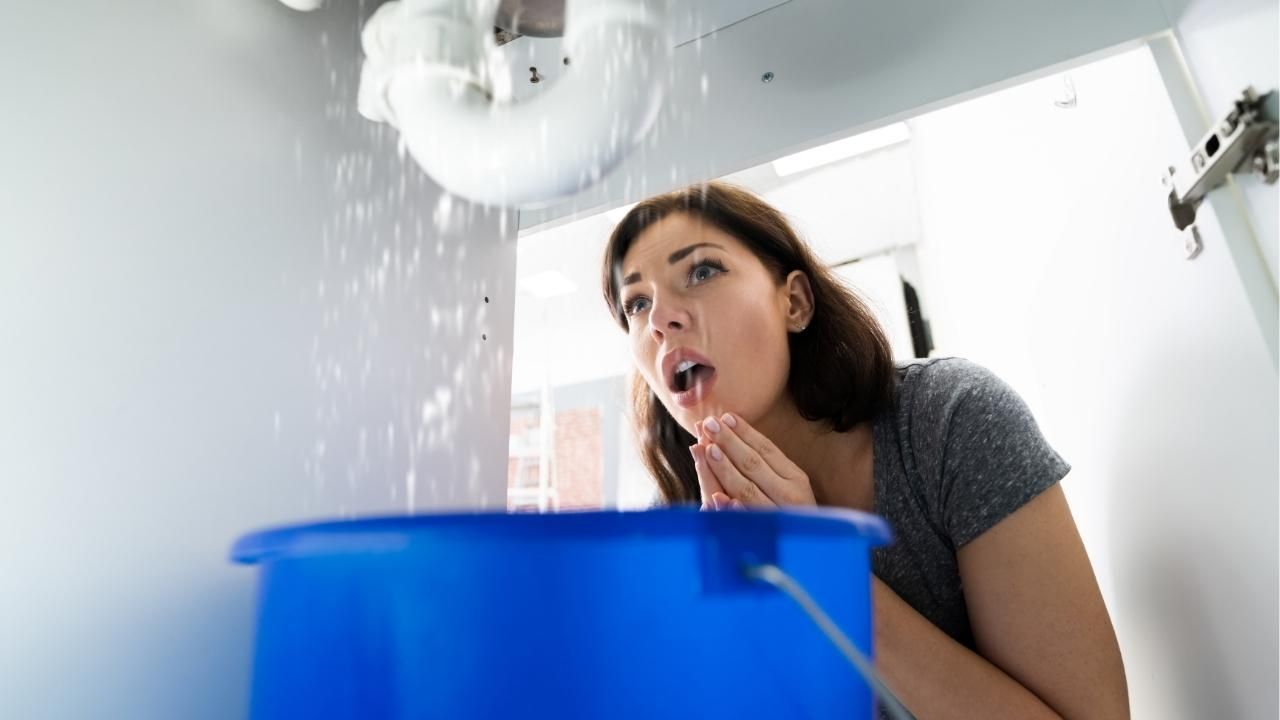
Flooding isn’t always dramatic. It’s not just rivers overflowing or streets turning into lakes. Sometimes, it’s a slow leak behind a wall or a rising water level in the crawl space. The biggest dangers are often the ones you don’t see right away.
Here’s what makes floods so destructive:
- Water spreads quickly and soaks into porous materials
- Drywall and wood retain moisture for days
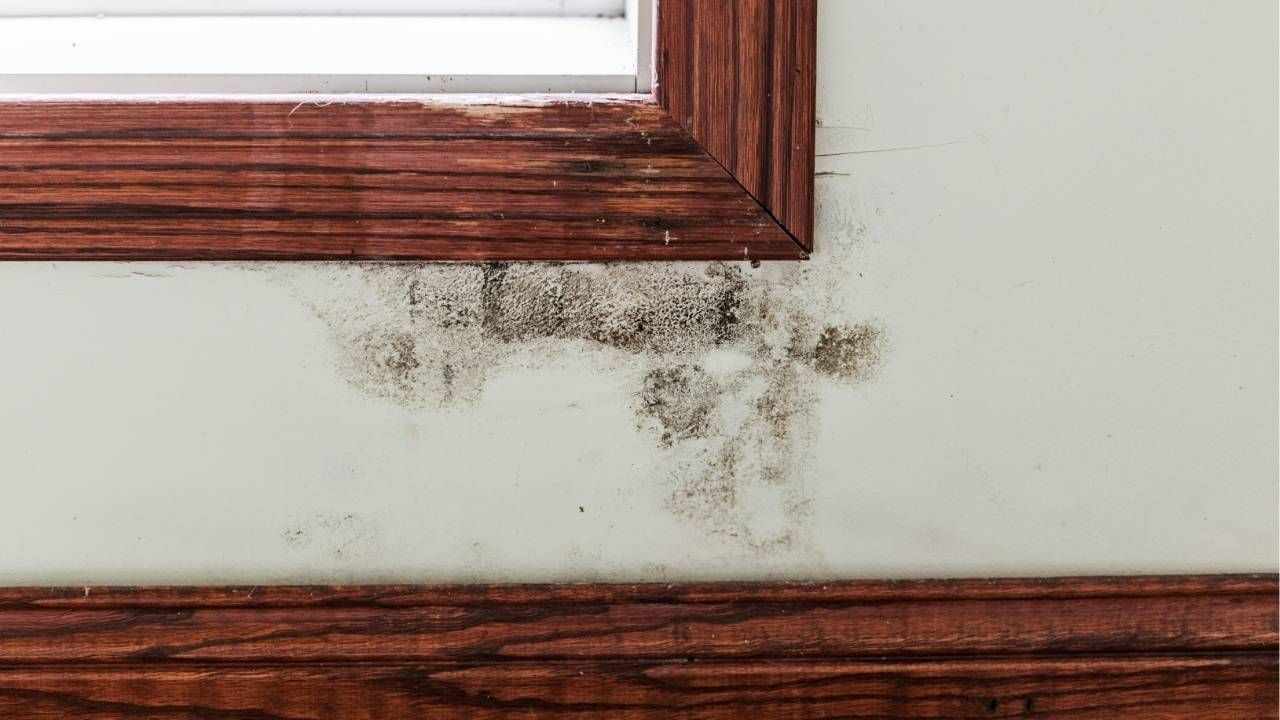
- Mold can begin growing within 24–48 hours
- Wiring, insulation, and appliances can be compromised
- Foundation issues can develop if water accumulates around your home
When you understand these risks, you take preparation seriously. And the more proactive you are, the less you’ll pay later.
Fortify Your Home Before the First Storm
If you wait for weather alerts before taking action, you’re already behind. Flood protection takes planning, but it doesn’t have to be complicated or expensive.
Start with these practical steps:
- Check your gutters and downspouts. Blocked gutters cause water to overflow and pool around your home.
- Seal cracks and weak points. This includes window frames, foundation gaps, and door thresholds.
- Elevate critical systems. Raise electrical components, AC units, and appliances when possible.
- Install a sump pump. It’s a lifesaver in homes prone to basement flooding.
- Grade your yard properly. Your property should slope away from your house, not toward it.
These small improvements can mean the difference between a dry home and thousands in repairs.
What to Do Immediately After Flooding
Once the rain stops, the clock starts ticking. The first 48 hours are critical for preventing mold, weakening structures, and further water intrusion.
Here’s what to do right away:
- Shut off electricity if water is near outlets or appliances.
- Document everything for insurance—photos, videos, receipts.
- Remove standing water as quickly as possible using pumps or wet vacs.
- Ventilate aggressively with fans and open windows (if safe).
- Move soaked items outdoors to dry or discard.
If drywall feels soft or swollen, it’s likely unsalvageable. Carpets and padding usually have to go too. This is where having a trusted restoration service on standby becomes invaluable.
The Costly Consequences of Waiting Too Long
One of the biggest mistakes homeowners make is assuming the problem is gone once the water dries. Unfortunately, that’s when the real damage begins.
Leftover moisture leads to:
- Mold growth in walls and flooring
- Structural weakening in wood beams
- Musty odors that never fully go away
- Health issues from airborne spores
- Higher repair costs the longer you wait
A short case study:
Last year, a homeowner ignored a small pool of water in their laundry room after a storm. Within weeks, mold spread behind the walls and into the hallway flooring. What could’ve been a $400 cleanup became a $7,000 restoration involving wall removal, new flooring, and specialized drying equipment. The problem wasn’t the initial water—it was the delay.
Stay Prepared, Stay Protected
Flood season is unpredictable, but your preparation doesn’t have to be. A few preventative steps, a sharp eye for early warning signs, and fast action after storms can protect your home and wallet. Don’t wait for the next big storm to remind you how vulnerable a home can be. Start reinforcing your property now and stay ahead of the next flood.
Ready to protect your home? Contact us today.