How Roof Leaks Lead to Major Water Damage Inside Your Home

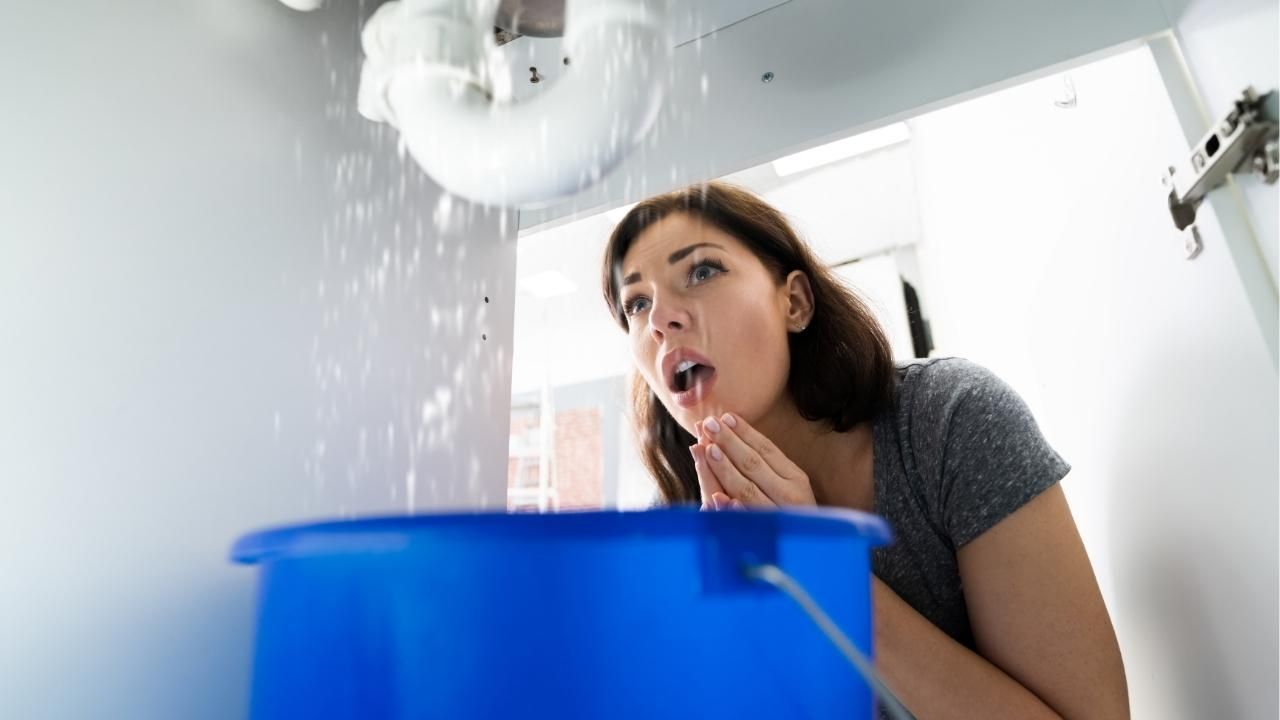
A tiny roof leak feels harmless—just a slow drip during a heavy storm. But inside your home, that small issue can quietly turn into a major disaster. Water doesn’t stay put. It spreads, seeps, rots, and destroys whatever it touches.
In this guide, you’ll learn exactly how roof leaks escalate into full-blown interior damage, what warning signs to watch for, and how to protect your property before things get expensive. You’ll also see a real-world example of how quickly a leak can spiral out of control.
Before we dive deeper, remember this: when water sneaks into your home, the clock starts ticking. If you wait too long to get help, the consequences get bigger—and pricier. Many homeowners dealing with water damage restoration Kaua’i, Hi cases wish they had acted sooner, which is why companies like Eco Kauai Services step in as a trusted water damage restoration service to stop the progression fast.
How Roof Leaks Start—and Why They Spread So Fast
Roof leaks usually begin with something simple: a missing shingle, cracked flashing, clogged gutters, or even storm debris. But once water gets through the barrier that protects your home, it follows gravity and the path of least resistance. That means it rarely stays in one spot.
Here’s how a small leak becomes a major problem:
- Water travels along rafters, beams, and insulation before finally showing up inside your home.
- Moisture spreads sideways—not just downward—causing hidden damage behind walls.
- Damp insulation loses effectiveness, raising energy bills and increasing humidity.
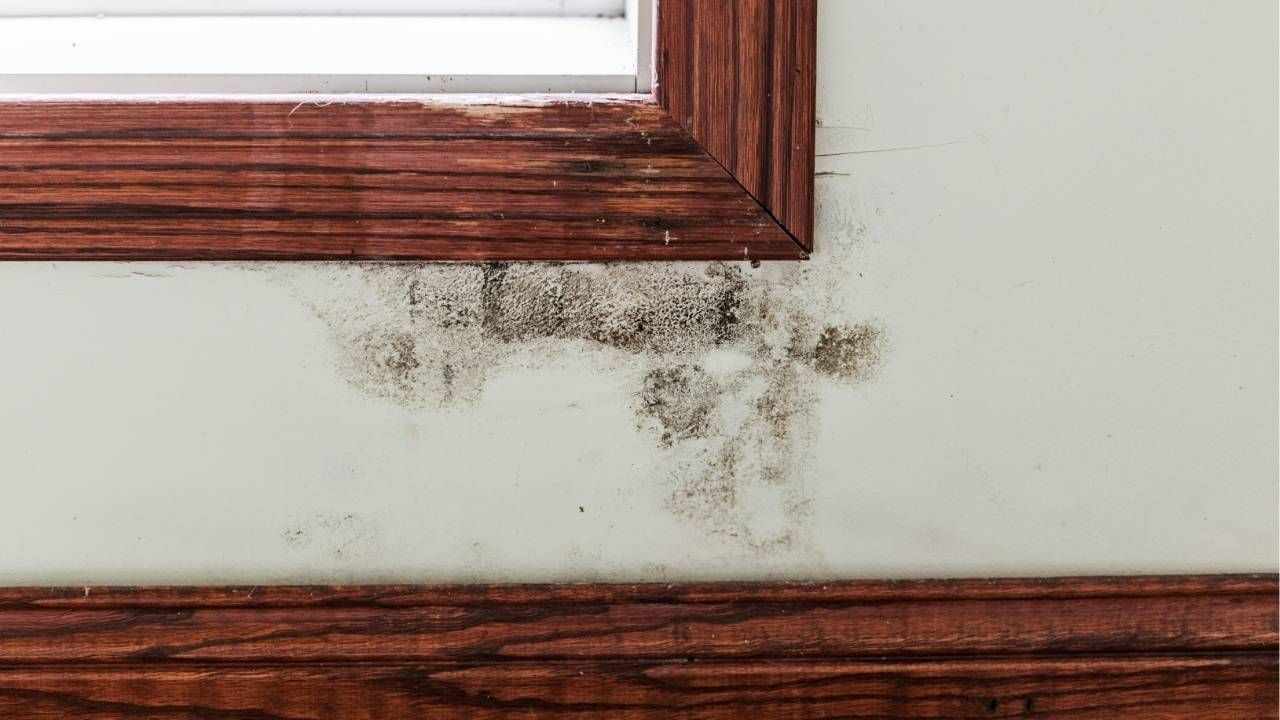
- Even slow leaks cause mold growth within 24–48 hours.
A leak in your attic today can turn into a stained ceiling in your living room weeks from now. By then, the real damage is already deeper than what you see.
The Real Dangers: Interior Damage You Can’t Ignore
You may only notice a discoloration on the ceiling, but that’s the tip of the iceberg. Behind that spot, the structure of your home could already be compromised.
1. Rotting Wood and Structural Weakness
Water softens wood over time. Rafters, joists, and subfloors may start to rot. If ignored long enough, sagging ceilings, warped floors, and mold-infested beams follow.
2. Electrical Hazards
Water and electrical wiring are a dangerous mix. Even a mild leak dripping near a junction box can cause shorts, corrosion, or fire risks.
3. Mold Growth Spreads Quickly
Mold thrives in dark, moist spaces—the exact conditions roof leaks create. By the time you see visible mold, colonies may already be spreading behind walls and above ceilings.
4. Expensive Interior Repairs
A single leak can lead to:
- Ceiling replacement
- New insulation
- Drywall repairs
- Flooring replacement
- Mold remediation
These costs add up fast, especially when the water damage is hidden and widespread.
Case Study: A Small Leak With a Big Price Tag
A homeowner in a coastal neighborhood noticed a faint brown spot above their dining table. They assumed it was nothing urgent. Weeks passed, storms hit, and the stain grew. When a musty smell appeared, they finally called a specialist.
Behind the ceiling, the insulation was soaked, mold had spread across two rooms, and the leak had run down an interior wall into the electrical wiring. What could have been a $300 repair turned into nearly $9,000 in structural, drywall, and mold remediation work. The homeowner said the same thing most people do: “I should have checked it sooner.”
How to Prevent Roof Leaks From Becoming a Disaster
A proactive approach will always cost less than a major water restoration project. Here’s what to do:
- Inspect your roof twice a year—before winter and after storm season.
- Keep gutters clean so water drains freely.
- Check your attic regularly for damp insulation or musty smells.
- Fix missing shingles, cracked flashing, and storm damage immediately.
- Don’t ignore ceiling stains, even small ones.
The moment you suspect moisture, deal with it head-on.
Take Action Before a Small Leak Becomes a Major Loss
Roof leaks don’t wait, and they don’t fix themselves. If you spot a stain, smell something musty, or hear dripping when it rains, this is your sign to act now. Protect your home, your health, and your wallet—don’t give water the chance to spread.
If you need help assessing interior water damage, reach out to a local professional today and stop the problem before it grows.