Think It’s Dry? Mold Might Still Be Growing Behind the Walls
You walk into your home after a leak, feel the air, touch the walls, and think, “It’s dry. We’re good.” That assumption is where a lot of homeowners get burned. Just because surfaces feel dry doesn’t mean the problem is gone, especially in a humid, coastal climate where moisture loves to hide.
This article breaks down how mold can keep growing long after visible water is gone, why behind-the-wall moisture is so dangerous, and what smart homeowners do before small issues turn into expensive repairs.
Why “Dry” Can Be a Dangerous Illusion
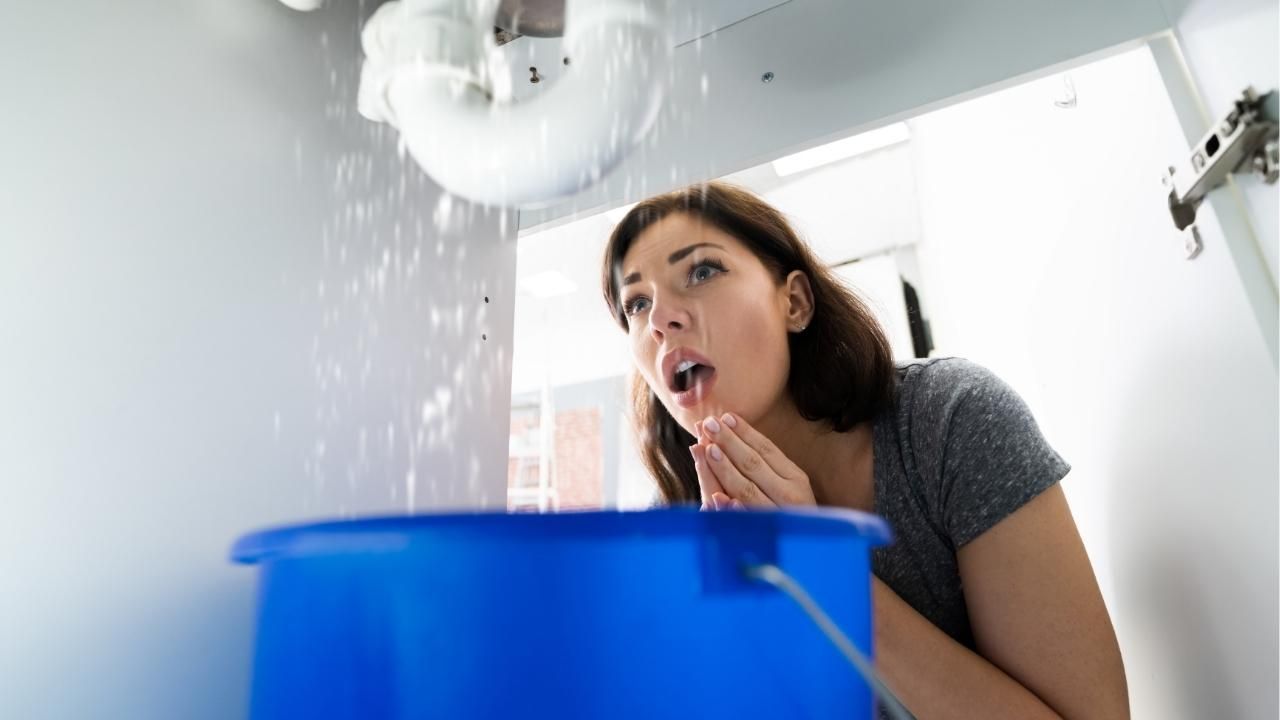
After a pipe burst, roof leak, or storm intrusion, water doesn’t just disappear. It seeps into drywall, insulation, framing, and subfloors. The outside dries fast. The inside doesn’t.
In places like Kaua’i, warm temperatures and high humidity create ideal conditions for mold growth. That’s why water damage restoration Kaua’i, Hi isn’t just about drying floors, it’s about what you can’t see. Moisture trapped behind walls can linger for weeks, feeding mold colonies silently.
Mold doesn’t need standing water. It needs moisture, darkness, and organic material. Drywall paper and wood framing are a buffet.
What Happens Behind the Walls
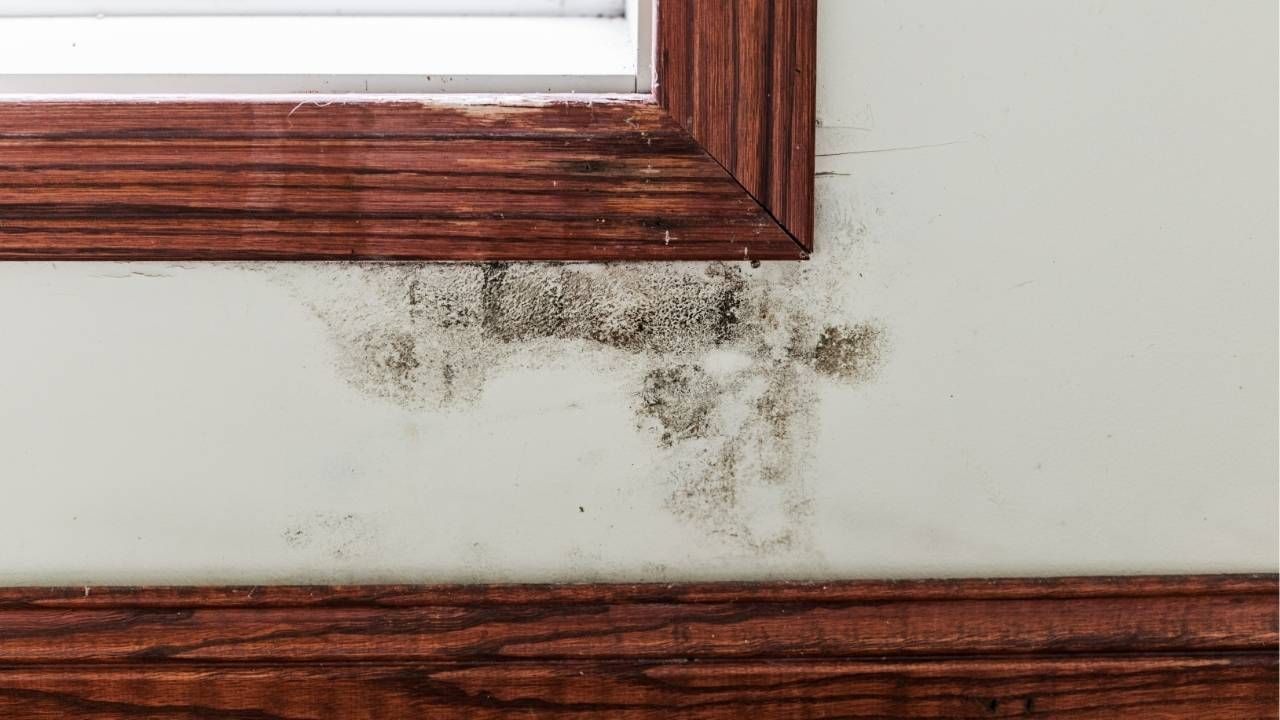
Once moisture is trapped, mold can begin growing in as little as 24–48 hours. By the time you smell something musty or notice discoloration, the issue is often already established.
Hidden mold can lead to:
- Persistent odors that won’t go away
- Warped walls or bubbling paint
- Increased allergy or asthma symptoms
- Long-term structural damage
This is why professionals use moisture meters and thermal imaging, not guesswork. Companies like Eco Kauai Services know that drying the surface without addressing the source is a temporary fix at best.
Why DIY Drying Usually Falls Short
Fans and dehumidifiers help, but they don’t reach inside wall cavities or under flooring unless materials are opened up properly. Homeowners often stop too soon because everything looks fine.
That’s where mold removal experts make the difference. They understand drying targets, containment, and when materials must be removed instead of saved. Cutting corners here often means paying twice later.
Skipping professional assessment can result in:
- Mold spreading into adjacent rooms
- Failed air quality tests during home sales
- Insurance claim disputes
- Repeat leaks going unnoticed
A Real-World Scenario
A Kaua’i homeowner experienced a small washing machine overflow and dried the area themselves. No visible damage remained. Three months later, a persistent smell appeared in the bedroom next door. Inspection revealed mold behind the shared wall, soaked insulation, and rotting studs. What could have been a simple drying job turned into a full wall removal and remediation project. Early detection would have saved thousands and prevented weeks of disruption.
What Smart Homeowners Do Instead
If your home has experienced any water intrusion, no matter how minor, take it seriously.
Here’s the smart approach:
- Assume hidden moisture exists until proven otherwise
- Get professional moisture testing, not just visual checks
- Act quickly; mold spreads fast in humid environments
- Don’t wait for odors or health symptoms to appear
Mold problems don’t improve with time. They get more expensive.
The Bottom Line
Dry to the touch doesn’t mean dry where it counts. Behind-the-wall moisture is one of the most common and costly issues homeowners face after leaks or flooding.
If there’s even a chance water made it into your walls, schedule an inspection immediately. The peace of mind alone is worth it, and it may save your home from serious damage down the line.