Mold After Water Damage: What Happens Next?
Water damage has a nasty habit of overstaying its welcome. You mop up the puddles, run a few fans, and assume the problem is over. In reality, the real trouble often starts after the water is gone.
In this article, you’ll learn what actually happens after water damage, why mold shows up so fast, and what smart property owners do next to stop a small issue from becoming a health and financial headache.
Why Mold Loves Water-Damaged Spaces
Mold doesn’t need much to get started. Moisture, warmth, and something organic to feed on, such as drywall, wood, carpet backing, are enough. After a leak, flood, or burst pipe, water seeps into places you can’t see, like wall cavities and subfloors.
Even if surfaces feel dry, hidden moisture can linger for days. In humid environments like Kaua’i, Hi water damage repair situations are especially risky because mold can begin growing within 24 to 48 hours. That’s why drying the surface alone isn’t enough.
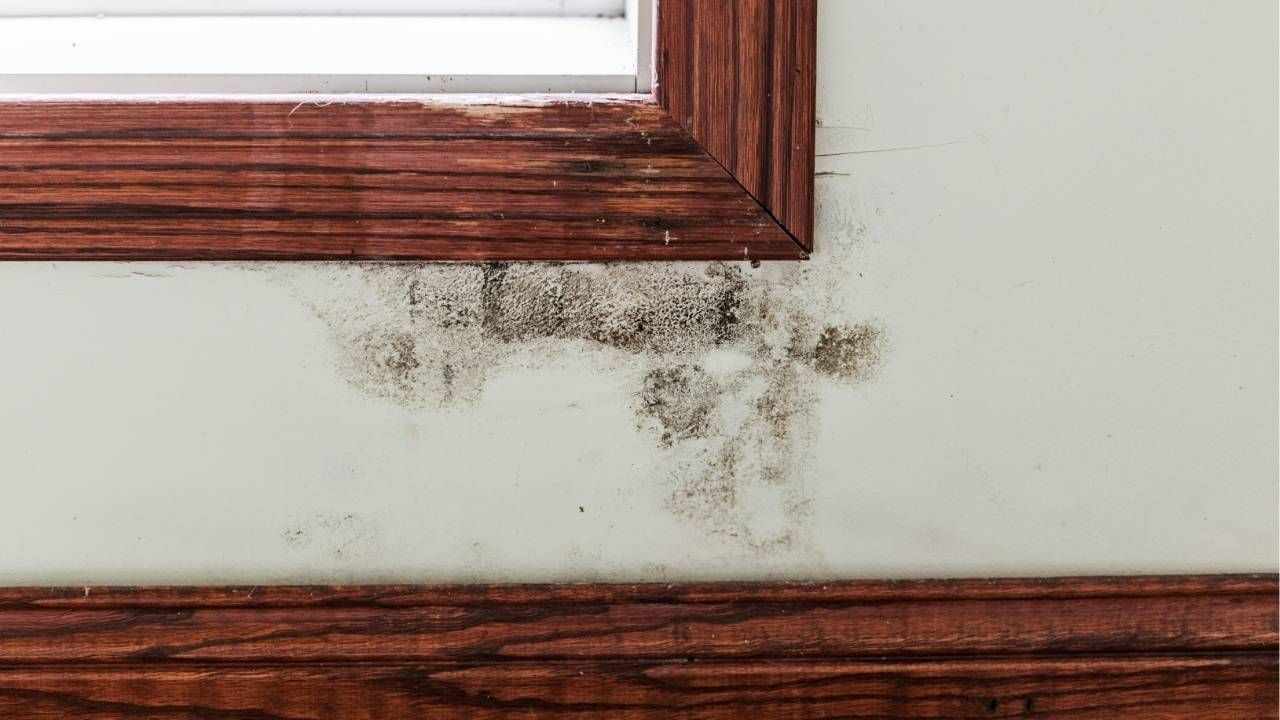
Once mold spores activate, they spread quietly. By the time you smell something musty or see discoloration, the colony is already established.
What Happens If Mold Is Ignored
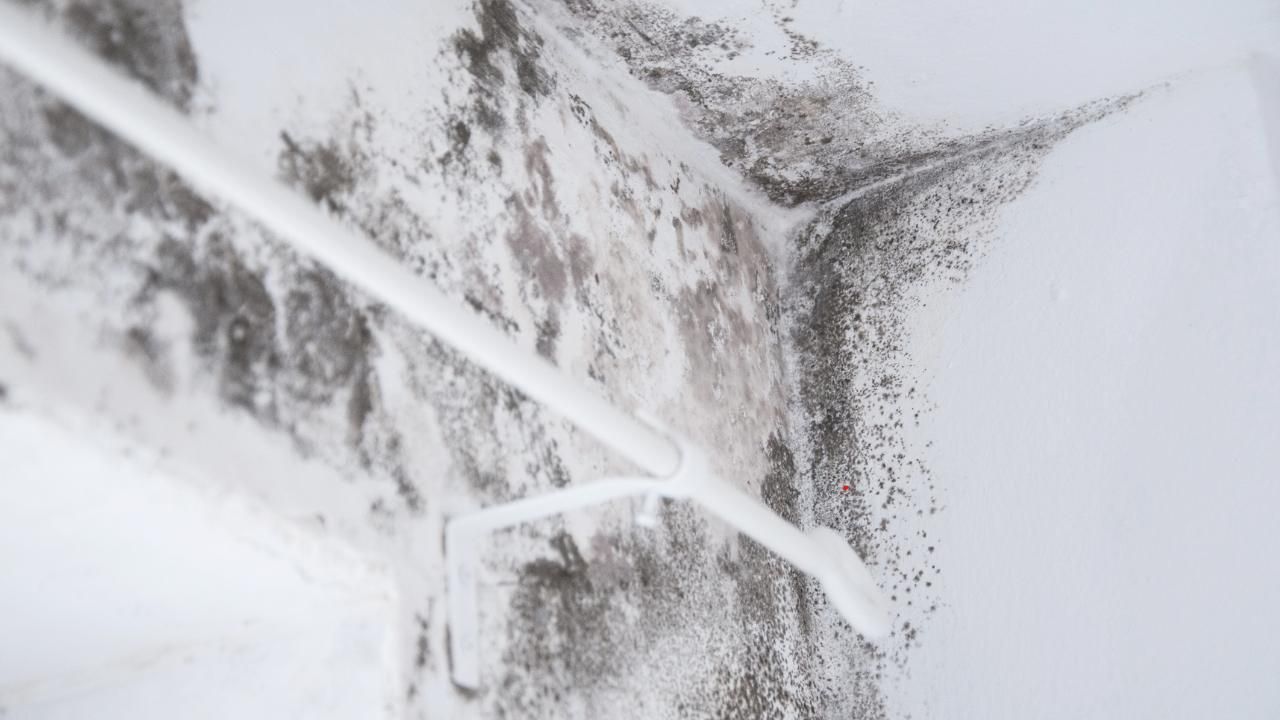
Ignoring mold after water damage is a gamble that rarely pays off. What starts as a small patch can quickly turn into widespread contamination.
Here’s what typically happens next:
- Mold spreads behind walls and under flooring
- Indoor air quality drops as spores circulate
- Allergies, asthma, and respiratory issues worsen
- Structural materials weaken and decay
- Repair costs climb fast
At this stage, DIY fixes usually fail. Bleach, store-bought sprays, and air fresheners don’t address the source. They only mask the symptoms.
The Right Way to Handle Mold After Water Damage
The correct response isn’t panic, it’s precision. Professionals focus on moisture control first, then safe removal. That’s where experienced companies like Eco Kauai Services step in with a proven process.
A proper remediation plan includes:
- Identifying all moisture sources
- Using industrial drying and dehumidification equipment
- Containing affected areas to prevent cross-contamination
- Removing damaged materials safely
- Treating surfaces to inhibit future growth
This work should always be handled by certified remediation specialists who understand both mold behavior and building science. Cutting corners here often leads to repeat infestations.
A Real-World Example
After a heavy storm, a small retail space experienced minor roof leakage. The owner dried the visible water and reopened the shop the next day. Two weeks later, employees complained of headaches and coughing. An inspection revealed mold spreading behind display walls and into ceiling insulation.
Because the problem was addressed early enough, remediation was contained to one section of the building. The business avoided a full shutdown, and long-term structural damage was prevented. The takeaway? Fast, professional action saved time, money, and reputations.
How to Prevent Mold After Future Water Damage
While you can’t always prevent water damage, you can reduce the risk of mold taking over.
Smart prevention steps include:
- Acting immediately after any water intrusion
- Drying affected areas within 24 hours
- Scheduling professional inspections after leaks or floods
- Monitoring humidity levels indoors
- Fixing plumbing or roof issues permanently
Waiting “to see if it dries out” is how small problems become expensive ones.
Final Thoughts
Mold after water damage isn’t just a cleanup issue, it’s a decision point. Handle it fast and correctly, or deal with escalating consequences later. If your property has experienced water damage, don’t assume the danger has passed once things look dry.
The smartest next step is bringing in professionals who know exactly what to look for and how to stop mold before it spreads. Acting now protects your property, your health, and your peace of mind. Contact us to get started.