Ignoring Minor Leaks? Here's How That Leads to Major Mold
A tiny drip under the sink or a faint discoloration on the ceiling might not seem like an emergency, but here’s the truth: small leaks rarely stay small. They quietly soak into walls, floors, and insulation until mold has everything it needs to take over. And once mold sets in, the damage multiplies fast.
In this guide, you’ll learn why those “harmless” leaks turn into costly repairs, how to spot early red flags, and when it's time to call for "mold removal in Kaua’i, Hi" from trusted pros like Eco Kauai Services. Even better, you’ll see how one professional mold inspection can save you thousands by catching moisture before it spirals into a health hazard.
Why Minor Leaks Are a Major Problem Waiting to Happen
Leaks create a perfect environment for mold growth: moisture, darkness, and warmth. Mold only needs 24–48 hours to begin spreading, even if the leak is slow enough that you barely notice it.
Here’s why ignoring a leak is risky:
- Water spreads farther than you think. Even a small drip can travel behind walls and under flooring.
- Hidden areas stay damp. Spaces like crawlspaces, wall cavities, and attics don’t get airflow, allowing moisture to linger.
- Mold eats building materials. Drywall, wood framing, insulation—all of it becomes food for mold colonies.
Once mold develops, cleanup isn’t just about drying the area. It becomes a full remediation project that affects comfort, air quality, and even structural safety.
Early Signs You’re Already Headed Toward Mold
If you know what to look for, you can stop a leak before mold spreads far. Watch for:
- Musty or earthy odors
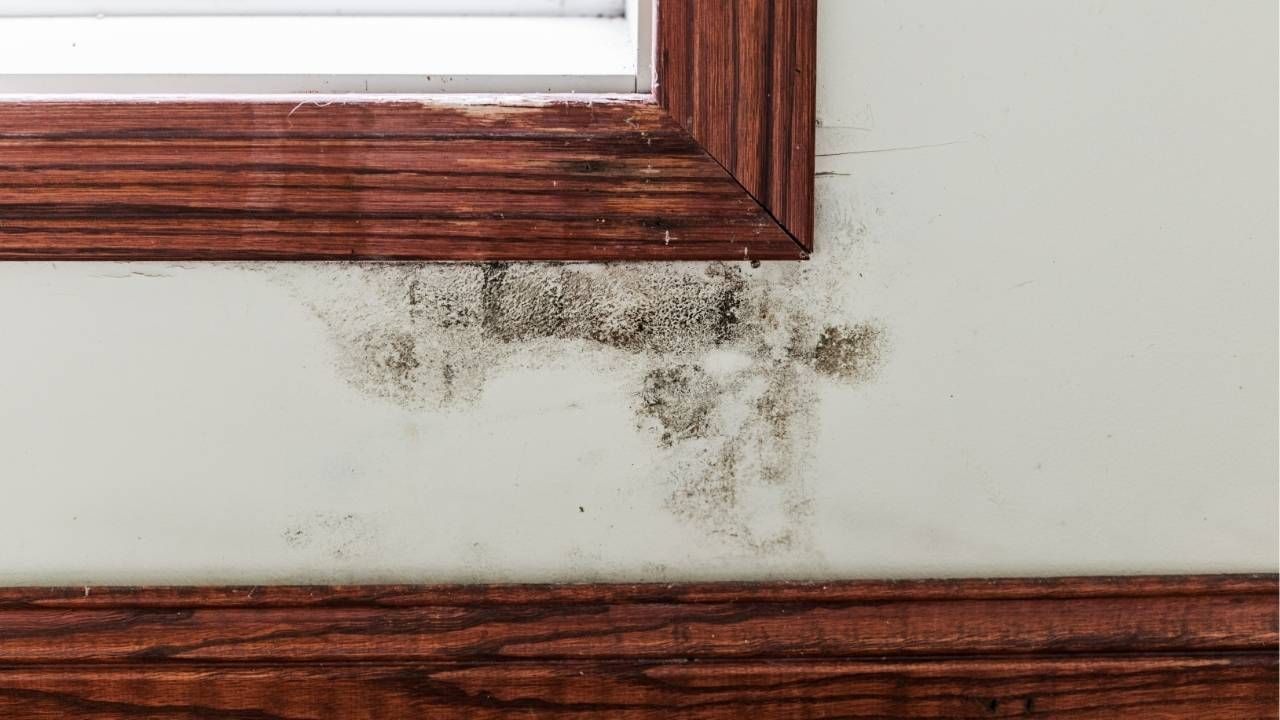
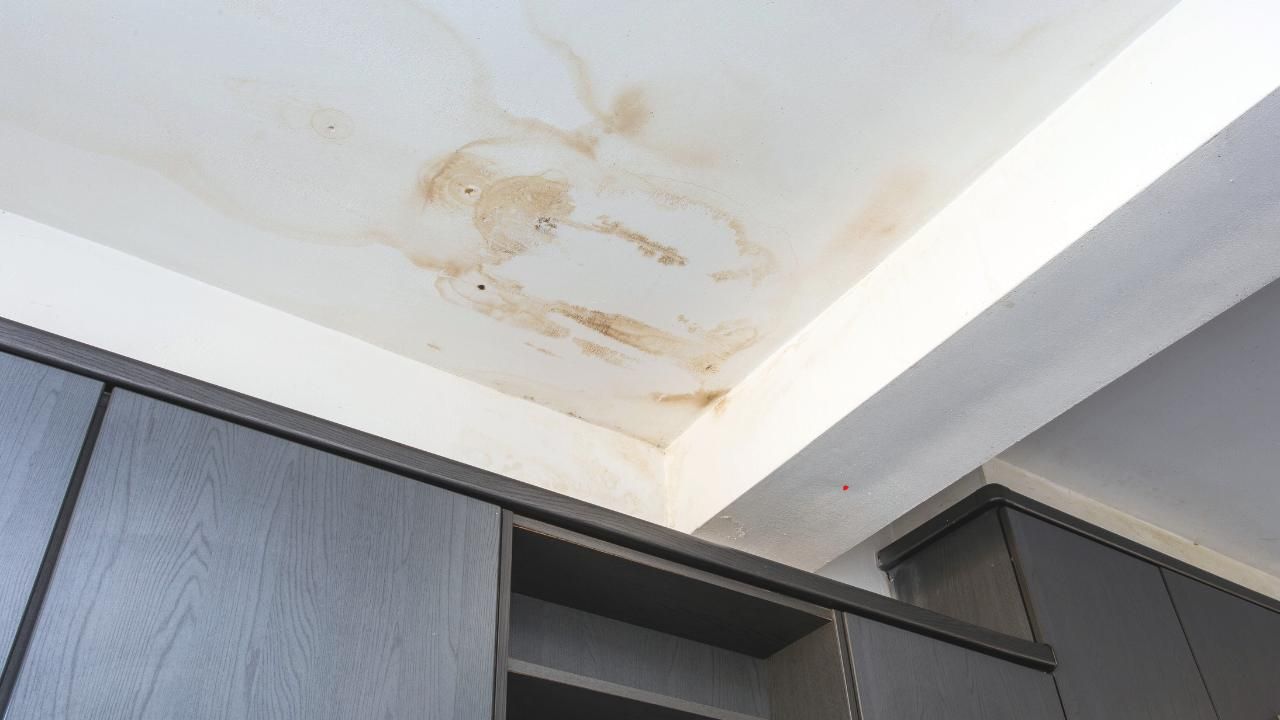
- Stains or yellowish water rings on walls and ceilings
- Peeling paint or bubbling drywall
- Warped wood floors
- Higher humidity in one specific room
- Sudden allergy-like symptoms
Even small signs warrant attention because leaks often stay hidden until the damage becomes unavoidable. The sooner you act, the simpler and cheaper the fix.
How Fast Mold Really Spreads (And Why It Gets Expensive)
Most homeowners underestimate speed. Mold spores are everywhere, just waiting for moisture. Once a leak starts:
- 0–24 hours: Surfaces become damp enough to support mold.
- 24–48 hours: Mold spores activate and begin forming visible colonies.
- 3–7 days: Mold spreads to nearby materials, including framing, insulation, and flooring.
- 1–2 weeks: Airborne spores increase, affecting indoor air quality and triggering health issues.
At this point, cleanup becomes far more than wiping down a surface. Walls may need opening, materials may need replacing, and specialized equipment is required to remove spores safely.
Case Study: The $85 Leak That Became a $4,000 Problem
A homeowner noticed a tiny drip under their bathroom sink but delayed fixing it because “it wasn’t that bad.” Over three months, moisture spread inside the vanity and behind the wall. Mold developed on the drywall and migrated into the insulation. What could’ve been an $85 plumbing repair grew into a multi-day remediation project: wall removal, mold treatment, drying equipment, and reconstruction. The damage was completely preventable.
How to Stop Mold Before It Starts
You can prevent major mold issues by staying proactive:
- Fix plumbing leaks immediately
- Use exhaust fans in bathrooms and kitchens
- Monitor humidity levels
- Check under sinks, behind appliances, and in crawlspaces regularly
- Schedule periodic moisture checks if your home is older
If you even suspect you have mold or an ongoing leak, don’t wait for visible damage.
When It’s Time to Call the Experts
If you notice musty odors, recurring dampness, or unexplained stains, that’s your sign to call a professional. Certified remediation specialists have the training and tools to locate leaks, remove mold safely, and restore your home.
A quick call today can prevent weeks of headaches later.
Don’t wait for a tiny drip to turn into a major repair bill. Get ahead of mold growth now,
reach out to a trusted local remediation team before the damage spreads.